Wire Fox Terrier
The Wire Fox Terrier shares its working origins with the smooth variety but has long been registered as a breed of its own, and the two have in practice been bred apart for far…
About the Wire Fox Terrier
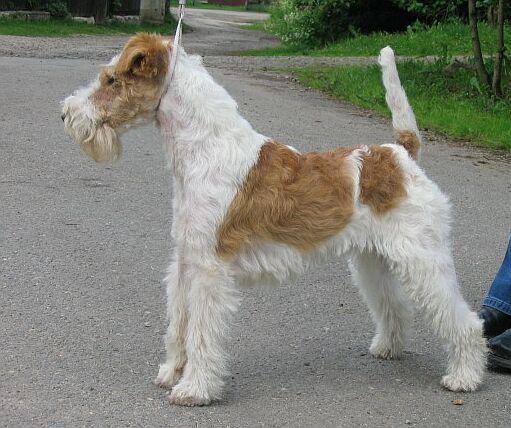
The Wire Fox Terrier shares its working origins with the smooth variety but has long been registered as a breed of its own, and the two have in practice been bred apart for far longer than that separation suggests. It came from the rough-coated terriers of the northern and Welsh coal districts, and it has taken the top prize at America's Westminster show more often than any other breed.
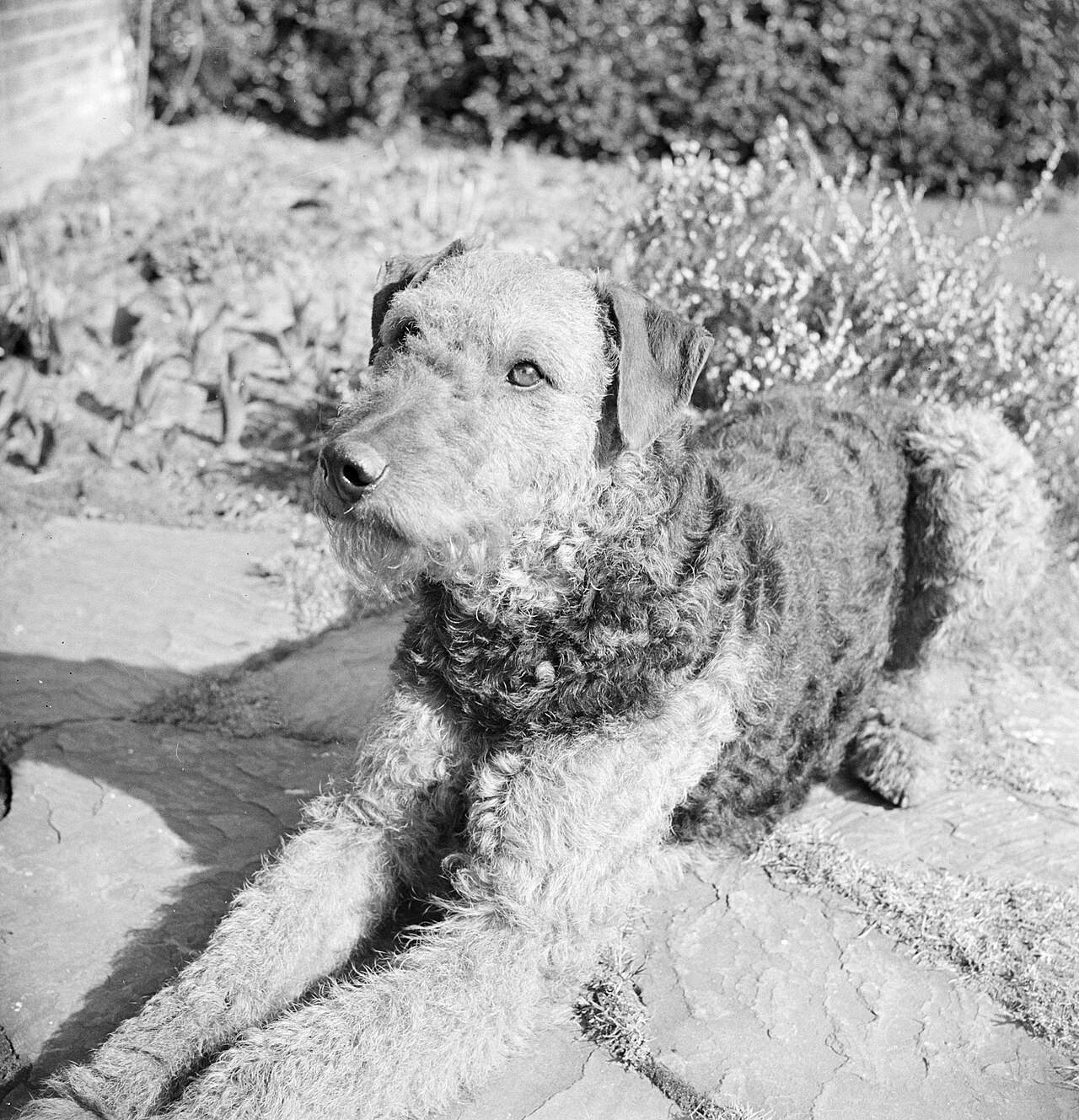
The jacket is dense, crinkly and hard, ideally so wiry that it feels like coconut matting, and it is hand-stripped rather than clipped if colour and texture are to survive. Dogs stand about 39 cm and weigh in the region of 8.25 kg, chiefly white with black or tan markings. Show presentation transforms this breed, so ask to see a stud out of trim as well as in it, and feel the coat for yourself.
The DNA test for primary lens luxation belongs in every stud enquiry here. A BAER hearing test is a reasonable request in a mainly white dog, and an annual eye examination should be routine. Ask about the kneecaps and about Legg-Calve-Perthes disease, and ask what the dog's skin is like beneath the wire, since allergic disease is common and a stripped coat can conceal it for a long time.
Health & breeding
We check every hip, elbow, eye and DNA result you give us against the Royal Kennel Club’s public records by hand, and we record who checked it and when. The Royal Kennel Club’s public records may not include all the screening a dog has had, so a dog with no Royal Kennel Club record showing is not necessarily untested.
Breed Right’s summary — under The Royal Kennel Club Health Standard
Health tests for the Wire Fox Terrier
This panel is Breed Right’s summary of the testing that matters for the breed under The Royal Kennel Club Health Standard. The Health Standard is the Royal Kennel Club’s guidance for breeders, not a registration rule. It describes tests to ask about — it is not a report on any individual dog. The Royal Kennel Club’s public records may not include all the screening a dog has had, so a dog with no Royal Kennel Club record showing is not necessarily untested.
Best Practice — further tests it recommends
Completing these as well as the Good Practice tests is what the Royal Kennel Club calls Best Practice.
| Test | Type | Scheme | What’s involved |
|---|---|---|---|
| Eye testing (BVA/KC/ISDS) | Screening scheme | BVA/KC/ISDS | Result printed on the eye certificate. |
At stud now
Wire Fox Terrier stud dogs
No Wire Fox Terrier studs are listed right now
When a Wire Fox Terrier on the Royal Kennel Club Breed Register is listed at stud, it will appear here.
Also available
Wire Fox Terrier litters
No Wire Fox Terrier litters are listed right now
Litters appear here as breeders list them. Check back soon, or browse other breeds.