Bedlington Terrier
The Bedlington Terrier came out of the Northumberland pit villages, where miners bred a fast, hard terrier that could poach a rabbit as readily as kill a rat, then trimmed it into…
About the Bedlington Terrier
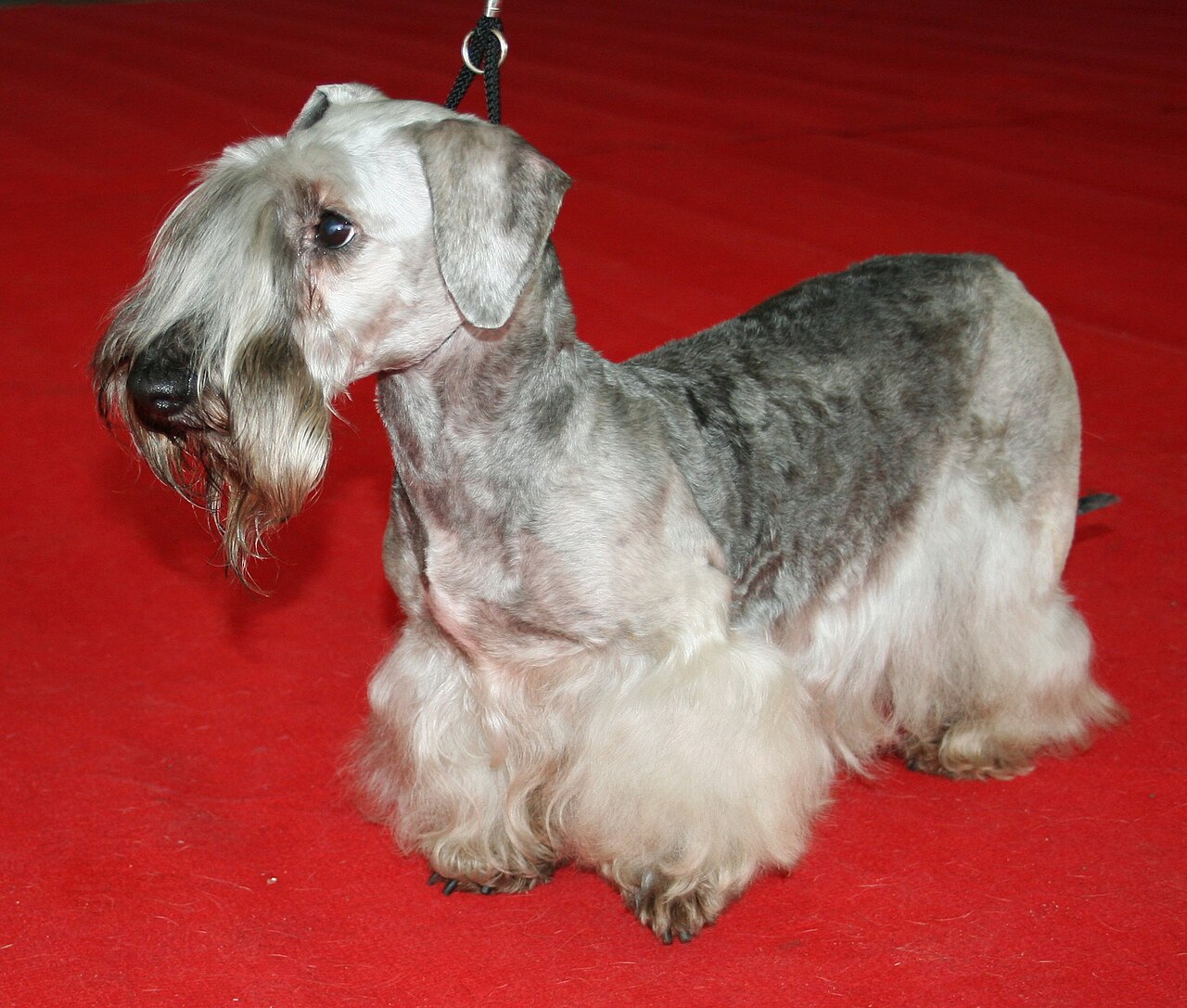
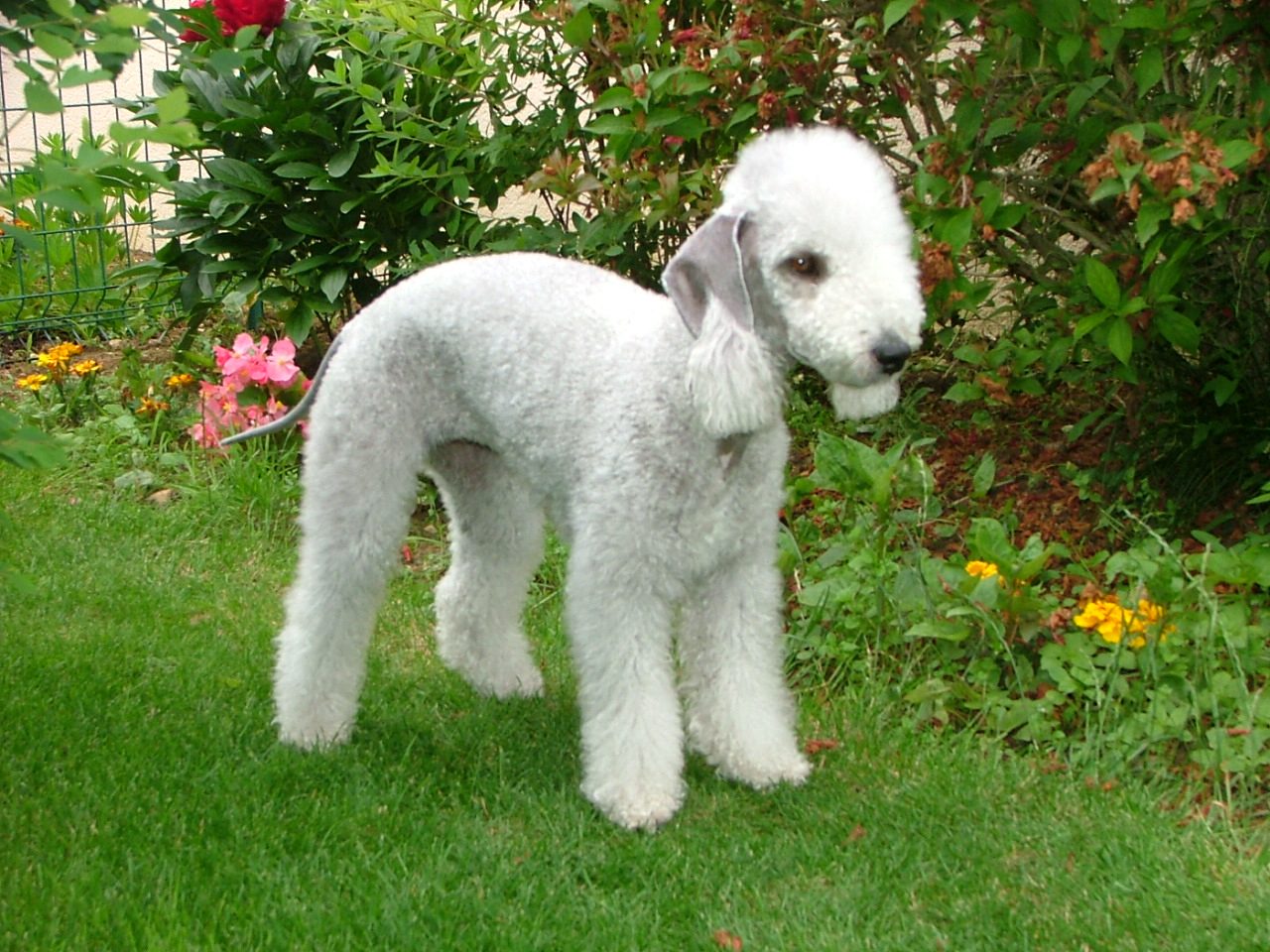
The Bedlington Terrier came out of the Northumberland pit villages, where miners bred a fast, hard terrier that could poach a rabbit as readily as kill a rat, then trimmed it into the arched, lamb-like outline that fools everybody. Underneath the trim is a whippet-shaped dog with genuine speed.
Dogs stand about 41 cm, with a thick, linty coat of mixed hard and soft hair that is scissored rather than stripped, a pear-shaped head carrying a silky topknot, and colouring in blue, liver or sandy, with or without tan. The roached back and tucked loin are correct and should not be read as weakness. A stud should be light on its feet and hard in condition rather than fluffy.
Copper toxicosis defines health screening in this breed. Copper accumulates in the liver and poisons it, a DNA test for the mutation behind the classic form has been available for many years, and a stud owner should produce the result. It is worth knowing that the test covers that mutation and not every form of copper storage seen in these dogs, so ask about liver health among the relatives as well. Add an annual eye examination and a patella assessment.
Health & breeding
We check every hip, elbow, eye and DNA result you give us against the Royal Kennel Club’s public records by hand, and we record who checked it and when. The Royal Kennel Club’s public records may not include all the screening a dog has had, so a dog with no Royal Kennel Club record showing is not necessarily untested.
Breed Right’s summary — under The Royal Kennel Club Health Standard
Health tests for the Bedlington Terrier
This panel is Breed Right’s summary of the testing that matters for the breed under The Royal Kennel Club Health Standard. The Health Standard is the Royal Kennel Club’s guidance for breeders, not a registration rule. It describes tests to ask about — it is not a report on any individual dog. The Royal Kennel Club’s public records may not include all the screening a dog has had, so a dog with no Royal Kennel Club record showing is not necessarily untested.
Good Practice — the Royal Kennel Club’s minimum before breeding
The tests the Royal Kennel Club says breeders should, at a minimum, complete before breeding.
| Test | Type | Scheme | What’s involved |
|---|---|---|---|
| DNA test — COMMD1 (Copper Toxicosis) | DNA test | Laboratory | The result printed on the laboratory certificate. |
Best Practice — further tests it recommends
Completing these as well as the Good Practice tests is what the Royal Kennel Club calls Best Practice.
| Test | Type | Scheme | What’s involved |
|---|---|---|---|
| Eye testing (BVA/KC/ISDS) | Screening scheme | BVA/KC/ISDS | Result printed on the eye certificate. |
Breed hip median
Too few dogs of this breed have been scored (BVA Hip Dysplasia Scheme breed statistics 2025 — 5 years: 1 dog) to give a meaningful breed median. Source · How hip scores work
At stud now
Bedlington Terrier stud dogs
No Bedlington Terrier studs are listed right now
When a Bedlington Terrier on the Royal Kennel Club Breed Register is listed at stud, it will appear here.
Also available
Bedlington Terrier litters
No Bedlington Terrier litters are listed right now
Litters appear here as breeders list them. Check back soon, or browse other breeds.