Tibetan Spaniel
The Tibetan Spaniel is not a spaniel at all but a small companion and watchdog from the monasteries of Tibet, where it sat up on the walls and barked at whatever it saw, leaving…
About the Tibetan Spaniel
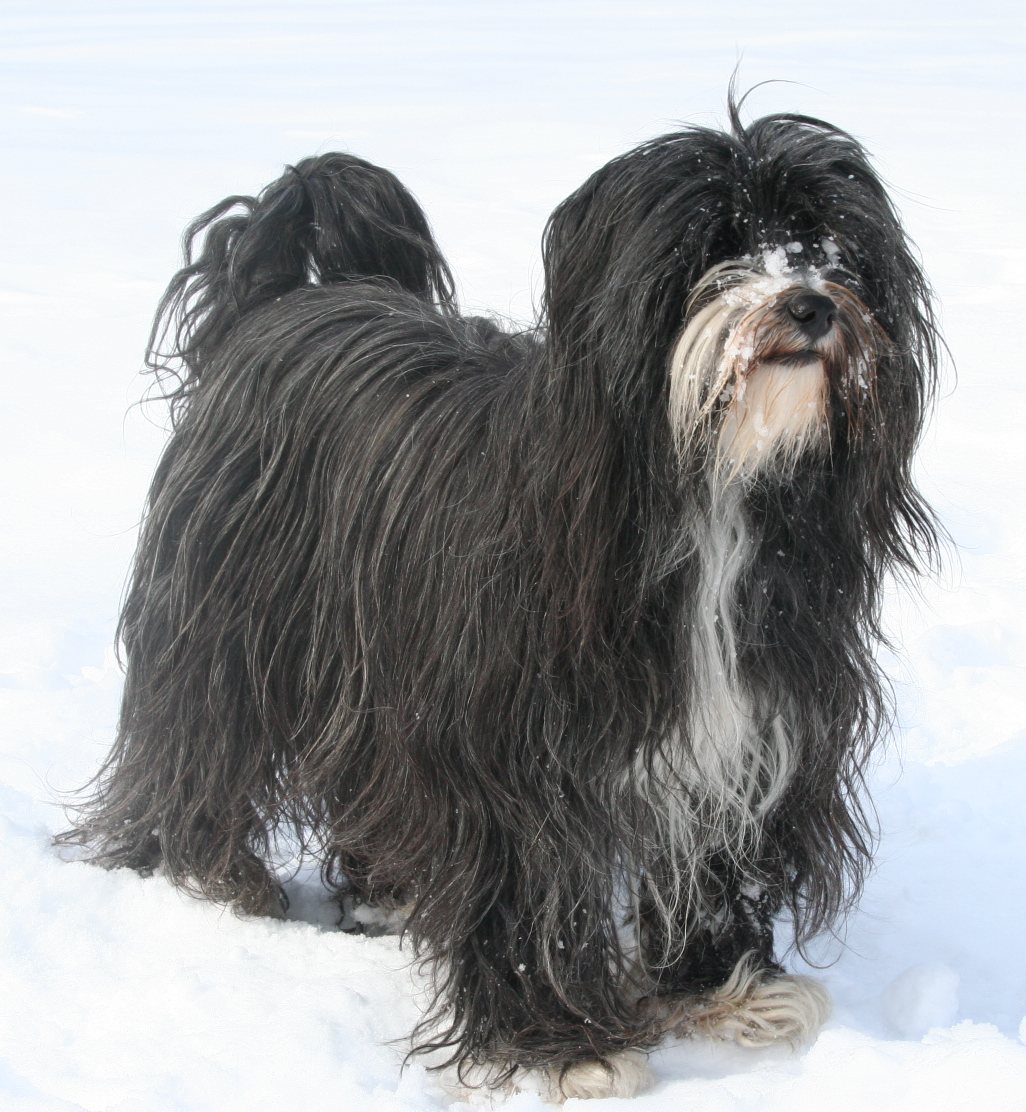
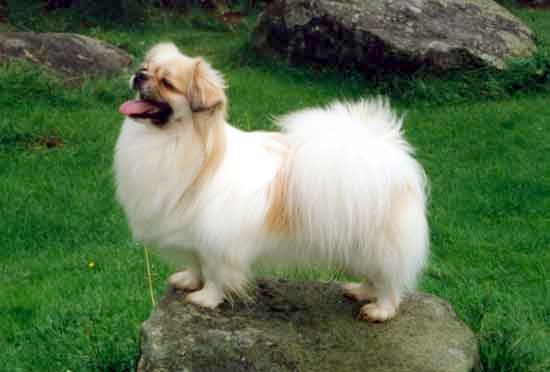
The Tibetan Spaniel is not a spaniel at all but a small companion and watchdog from the monasteries of Tibet, where it sat up on the walls and barked at whatever it saw, leaving the serious work to the mastiffs below. Dogs were given as gifts between monasteries and to the Chinese court, which is how the type spread.
A Tibbie stands about 25 cm and weighs 4 to 6.8 kg, with a silky double coat and a mane over neck and shoulders that is more pronounced in dogs, in any colour. The muzzle is short but should never be flat, and the face must show a clear, if modest, length of nose. A stud with open nostrils, a visible muzzle and a quiet breath at rest is the one to look for, because this breed does not need exaggeration and does not benefit from it.
Progressive retinal atrophy is the principal inherited concern here, DNA testing for the form that affects the breed is available, and an annual eye examination should be done alongside it. A patella assessment is worth requesting in a dog of this size. Because the eyes sit fairly prominently, ask whether the stud has ever had a corneal injury. A question about heat tolerance, and about whether the dog snores heavily, is also fair.
Health & breeding
We check every hip, elbow, eye and DNA result you give us against the Royal Kennel Club’s public records by hand, and we record who checked it and when. The Royal Kennel Club’s public records may not include all the screening a dog has had, so a dog with no Royal Kennel Club record showing is not necessarily untested.
Breed Right’s summary — under The Royal Kennel Club Health Standard
Health tests for the Tibetan Spaniel
This panel is Breed Right’s summary of the testing that matters for the breed under The Royal Kennel Club Health Standard. The Health Standard is the Royal Kennel Club’s guidance for breeders, not a registration rule. It describes tests to ask about — it is not a report on any individual dog. The Royal Kennel Club’s public records may not include all the screening a dog has had, so a dog with no Royal Kennel Club record showing is not necessarily untested.
Best Practice — further tests it recommends
Completing these as well as the Good Practice tests is what the Royal Kennel Club calls Best Practice.
| Test | Type | Scheme | What’s involved |
|---|---|---|---|
| DNA test — PRA3 (Progressive Retinal Atrophy 3) | DNA test | Laboratory | The result printed on the laboratory certificate. |
| Eye testing (BVA/KC/ISDS) | Screening scheme | BVA/KC/ISDS | Result printed on the eye certificate. |
Breed hip median
Too few dogs of this breed have been scored (BVA Hip Dysplasia Scheme breed statistics 2025 — 5 years: 1 dog) to give a meaningful breed median. Source · How hip scores work
At stud now
Tibetan Spaniel stud dogs
No Tibetan Spaniel studs are listed right now
When a Tibetan Spaniel on the Royal Kennel Club Breed Register is listed at stud, it will appear here.
Also available
Tibetan Spaniel litters
No Tibetan Spaniel litters are listed right now
Litters appear here as breeders list them. Check back soon, or browse other breeds.