Akita
The Akita registered in Britain is the American-type Akita, developed from dogs brought back from Japan after the Second World War, and it is a separate breed from the Japanese…
About the Akita
The Akita registered in Britain is the American-type Akita, developed from dogs brought back from Japan after the Second World War, and it is a separate breed from the Japanese Akita Inu, which the Royal Kennel Club registers on its own. The two look different, the Akita being larger and heavier in head, and they are not interbred.
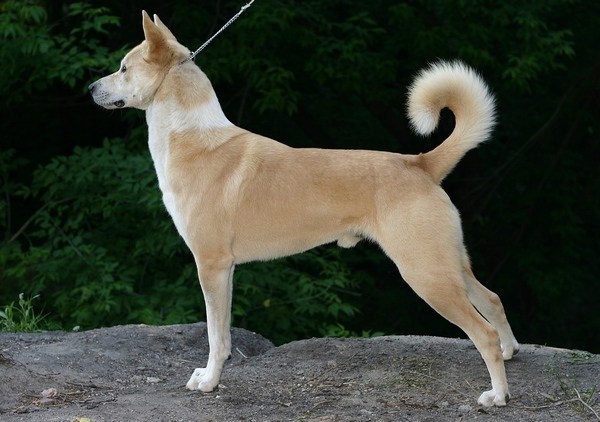
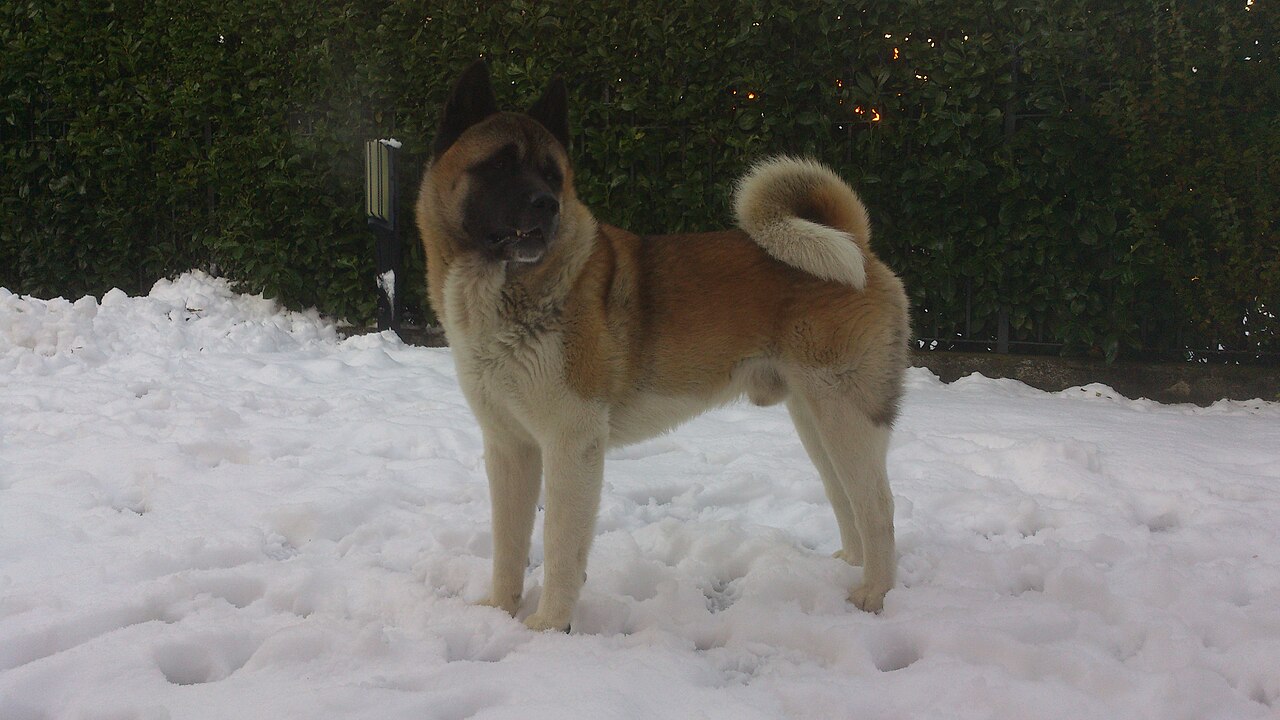
Dogs stand about 66 to 71 cm, with a thick double coat in any colour and a curled tail. The breed is quiet, clean and deeply loyal to its own family, and can be intolerant of other dogs, particularly of the same sex; a stud with a calm, steady, well-socialised temperament is essential, and this is not a breed to be bred casually.
Ask an Akita stud owner for hip and elbow scores and a current eye certificate. Autoimmune disease is the breed's particular concern: sebaceous adenitis, uveodermatologic syndrome, hypothyroidism and pemphigus all appear, none has a DNA test, and a stud owner who knows the family history and will share it is answering the question that matters. Bloat is a risk in a deep-chested breed and worth a question.
Health & breeding
We check every hip, elbow, eye and DNA result you give us against the Royal Kennel Club’s public records by hand, and we record who checked it and when. The Royal Kennel Club’s public records may not include all the screening a dog has had, so a dog with no Royal Kennel Club record showing is not necessarily untested.
Breed Right’s summary — under The Royal Kennel Club Health Standard
Health tests for the Akita
This panel is Breed Right’s summary of the testing that matters for the breed under The Royal Kennel Club Health Standard. The Health Standard is the Royal Kennel Club’s guidance for breeders, not a registration rule. It describes tests to ask about — it is not a report on any individual dog. The Royal Kennel Club’s public records may not include all the screening a dog has had, so a dog with no Royal Kennel Club record showing is not necessarily untested.
Best Practice — further tests it recommends
Completing these as well as the Good Practice tests is what the Royal Kennel Club calls Best Practice.
| Test | Type | Scheme | What’s involved |
|---|---|---|---|
| Hip score (BVA/KC) | Screening scheme | BVA/KC | Total of both hips, 0–106. Lower is better. |
| Eye testing (BVA/KC/ISDS) | Screening scheme | BVA/KC/ISDS | Result printed on the eye certificate. |
Breed hip median
Breed median 6 (BVA Hip Dysplasia Scheme breed statistics 2025 — 5 years, 106 dogs scored). Lower is better. Source · How hip scores work
At stud now
Akita stud dogs
No Akita studs are listed right now
When an Akita on the Royal Kennel Club Breed Register is listed at stud, it will appear here.
Also available
Akita litters
No Akita litters are listed right now
Litters appear here as breeders list them. Check back soon, or browse other breeds.