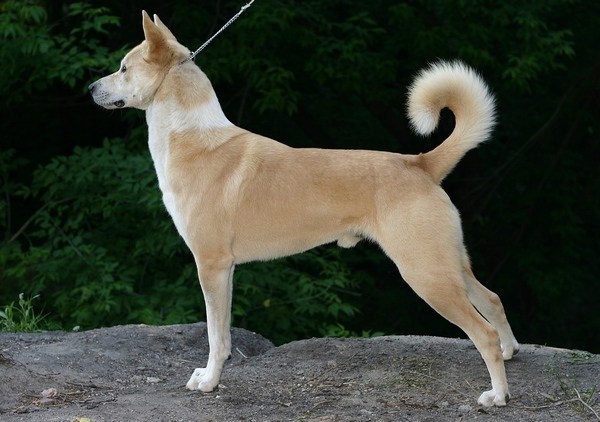
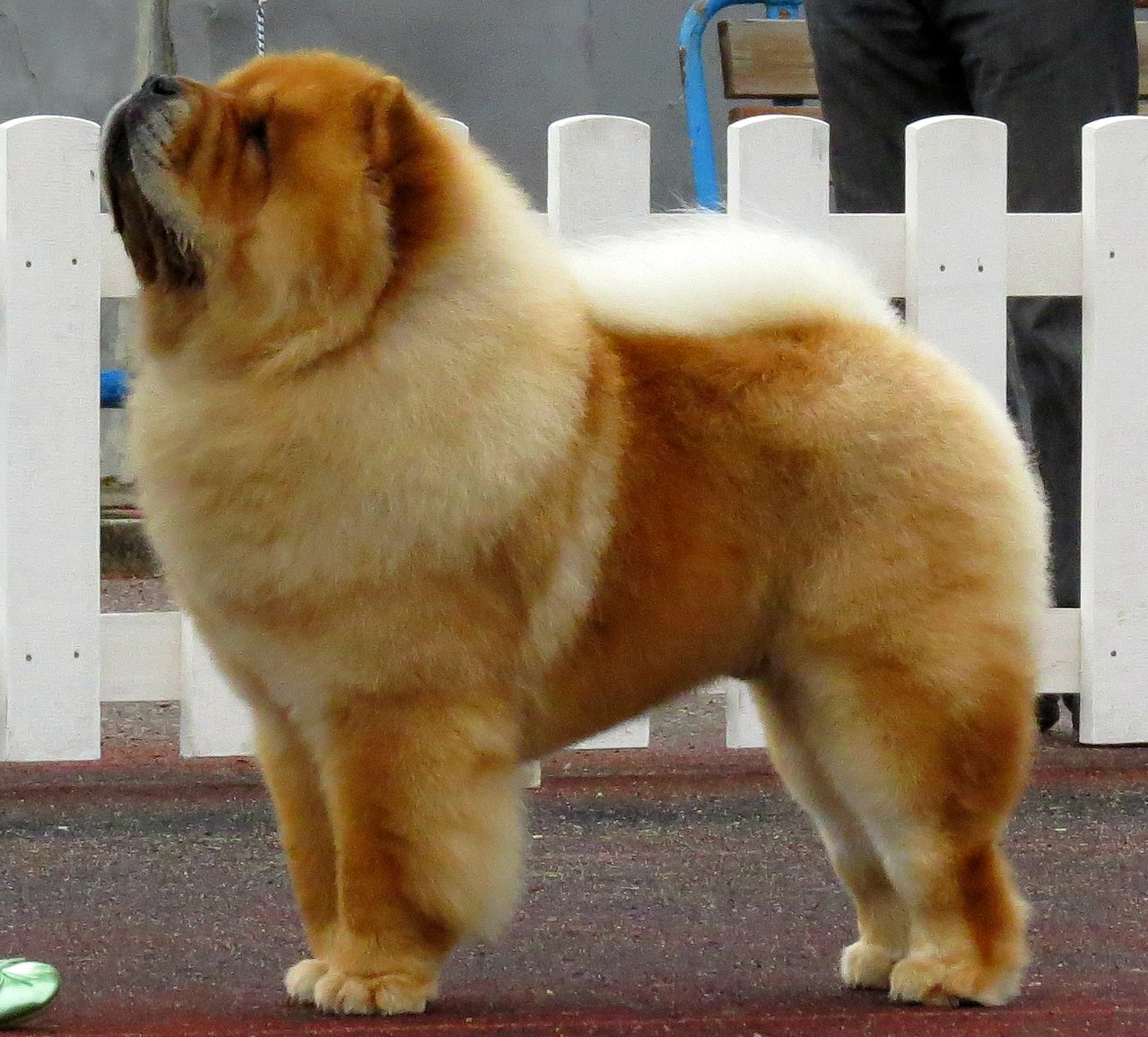
We don’t hold a licensed photograph of this breed yet.
Xoloitzcuintle (Intermediate)
The Intermediate sits between the other two Xoloitzcuintle sizes, at roughly 36 to 45 cm, and many breeders consider it the most useful of the three: substantial enough to walk…
About the Xoloitzcuintle (Intermediate)
The Intermediate sits between the other two Xoloitzcuintle sizes, at roughly 36 to 45 cm, and many breeders consider it the most useful of the three: substantial enough to walk any distance, small enough for an ordinary house, and not so light in frame as the smallest variety. All three sizes may turn up in a single pedigree.
Type should be identical across the sizes, so an Intermediate is judged on the same points as its larger and smaller relatives: an elegant outline, a wedge-shaped head, large upright ears and a long, fine tail. Hairless dogs show tough, smooth skin in dark solid colours or spotted patterns, while the coated variety carries a short, close jacket. A stud should be free-moving and well muscled, without the exaggerated tuck-up sometimes seen.
Ask for a patella assessment, hip scoring and an eye examination, which are the practical scheme checks for a dog of this build. Skin is the daily reality of the breed, so ask how the stud's skin behaves in hot weather and whether it has had recurring trouble with spots or dryness. Because hairlessness is carried by a gene that cannot safely be doubled up, ask how the owner decides which bitches to accept and what previous litters have produced.
Health & breeding
We check every hip, elbow, eye and DNA result you give us against the Royal Kennel Club’s public records by hand, and we record who checked it and when. The Royal Kennel Club’s public records may not include all the screening a dog has had, so a dog with no Royal Kennel Club record showing is not necessarily untested.
Breed Right’s summary — under The Royal Kennel Club Health Standard
Health tests for the Xoloitzcuintle (Intermediate)
This panel is Breed Right’s summary of the testing that matters for the breed under The Royal Kennel Club Health Standard. The Health Standard is the Royal Kennel Club’s guidance for breeders, not a registration rule. It describes tests to ask about — it is not a report on any individual dog. The Royal Kennel Club’s public records may not include all the screening a dog has had, so a dog with no Royal Kennel Club record showing is not necessarily untested.
Best Practice — further tests it recommends
Completing these as well as the Good Practice tests is what the Royal Kennel Club calls Best Practice.
| Test | Type | Scheme | What’s involved |
|---|---|---|---|
| Hip score (BVA/KC) | Screening scheme | BVA/KC | Total of both hips, 0–106. Lower is better. |
| Elbow grading (BVA/KC) | Screening scheme | BVA/KC | Grade 0–3. The dog is graded on the worse of the two elbows. |
| Eye testing (BVA/KC/ISDS) | Screening scheme | BVA/KC/ISDS | Result printed on the eye certificate. |
Breed hip median
Breed median 9 (BVA Hip Dysplasia Scheme breed statistics 2025 — 15 years, 8 dogs scored — indicative only, from a small sample). Lower is better. Source · How hip scores work
At stud now
Xoloitzcuintle (Intermediate) stud dogs
No Xoloitzcuintle (Intermediate) studs are listed right now
When a Xoloitzcuintle (Intermediate) on the Royal Kennel Club Breed Register is listed at stud, it will appear here.
Also available
Xoloitzcuintle (Intermediate) litters
No Xoloitzcuintle (Intermediate) litters are listed right now
Litters appear here as breeders list them. Check back soon, or browse other breeds.