Shih Tzu
The Shih Tzu was bred in the palaces of Peking from Tibetan lion dogs given to the Chinese court, and it came to Britain in the 1930s through returning diplomats and soldiers. The…
About the Shih Tzu
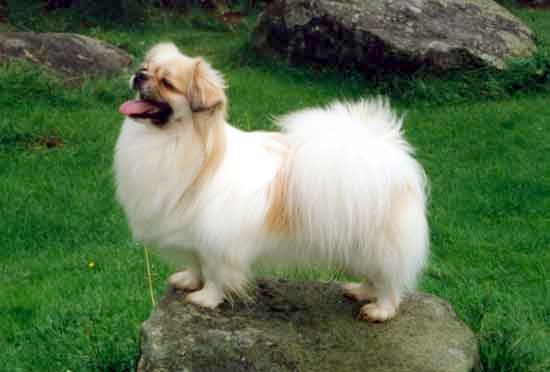
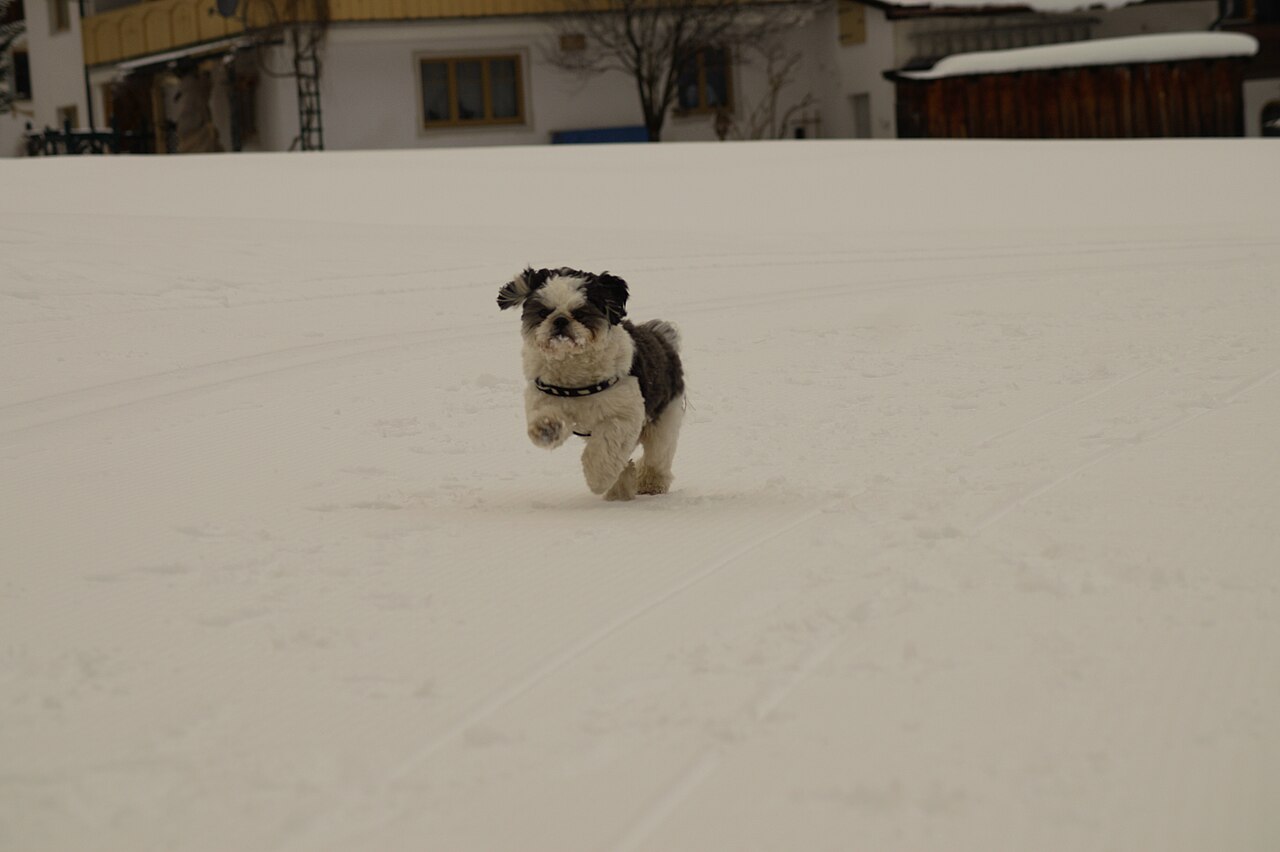
The Shih Tzu was bred in the palaces of Peking from Tibetan lion dogs given to the Chinese court, and it came to Britain in the 1930s through returning diplomats and soldiers. The name means lion dog, and the breed's arrogant carriage and flowing coat were designed for a palace floor rather than a field.
Shih Tzus weigh about 4.5 to 8 kg, with a long dense coat in any colour that most pet owners keep in a shorter trim. The breed is sociable, playful and good with children, and a stud with a happy, confident temperament and a moderate face is what to look for; the breed is brachycephalic and has been asked to move away from exaggeration. A visible muzzle and open nostrils are a good sign.
Ask a Shih Tzu stud owner for a current eye certificate, since the prominent eyes are prone to injury and the breed has hereditary eye disease, and for patella examination and hip scores. Breathing at rest and in warm weather is worth watching in the stud itself. Renal dysplasia has been reported in the breed and is worth a question about the line, as is ear health under all that coat.
Health & breeding
We check every hip, elbow, eye and DNA result you give us against the Royal Kennel Club’s public records by hand, and we record who checked it and when. The Royal Kennel Club’s public records may not include all the screening a dog has had, so a dog with no Royal Kennel Club record showing is not necessarily untested.
Breed Right’s summary — under The Royal Kennel Club Health Standard
Health tests for the Shih Tzu
This panel is Breed Right’s summary of the testing that matters for the breed under The Royal Kennel Club Health Standard. The Health Standard is the Royal Kennel Club’s guidance for breeders, not a registration rule. It describes tests to ask about — it is not a report on any individual dog. The Royal Kennel Club’s public records may not include all the screening a dog has had, so a dog with no Royal Kennel Club record showing is not necessarily untested.
Good Practice — the Royal Kennel Club’s minimum before breeding
The tests the Royal Kennel Club says breeders should, at a minimum, complete before breeding.
| Test | Type | Scheme | What’s involved |
|---|---|---|---|
| Eye testing (BVA/KC/ISDS) | Screening scheme | BVA/KC/ISDS | Result printed on the eye certificate. |
Best Practice — further tests it recommends
Completing these as well as the Good Practice tests is what the Royal Kennel Club calls Best Practice.
| Test | Type | Scheme | What’s involved |
|---|---|---|---|
| Breathing grading — BOAS (RKC Respiratory Function Grading Scheme) | Screening scheme | RKC | Grade 0–3; 0 is clinically unaffected. |
Breed hip median
Breed median 16 (BVA Hip Dysplasia Scheme breed statistics 2025 — 15 years, 7 dogs scored — indicative only, from a small sample). Lower is better. Source · How hip scores work
At stud now
Shih Tzu stud dogs
No Shih Tzu studs are listed right now
When a Shih Tzu on the Royal Kennel Club Breed Register is listed at stud, it will appear here.
Also available
Shih Tzu litters
No Shih Tzu litters are listed right now
Litters appear here as breeders list them. Check back soon, or browse other breeds.