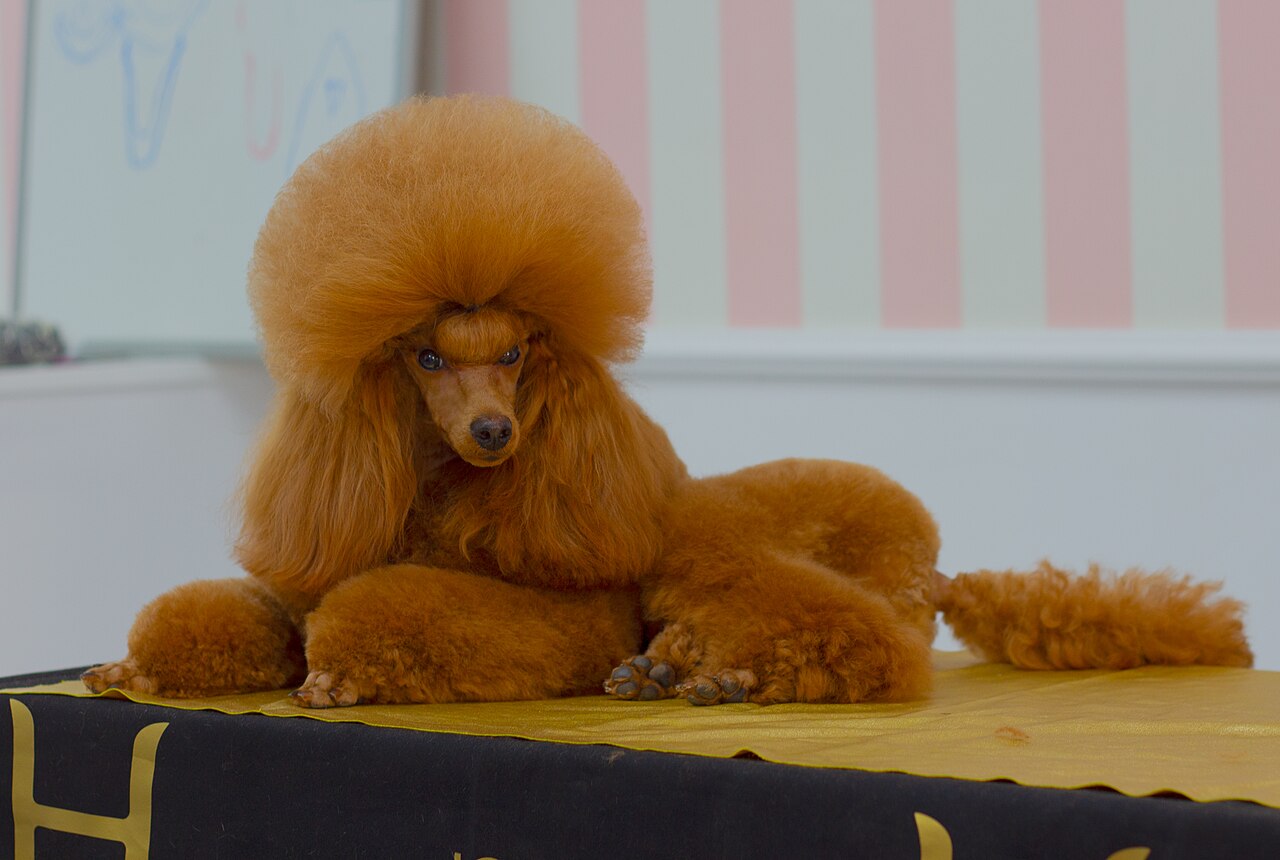
Poodle (Miniature)
The Miniature Poodle was bred down from the Standard as a companion and circus performer, and it was the most popular breed in Britain in the 1950s and 1960s before fashion moved…
About the Poodle (Miniature)
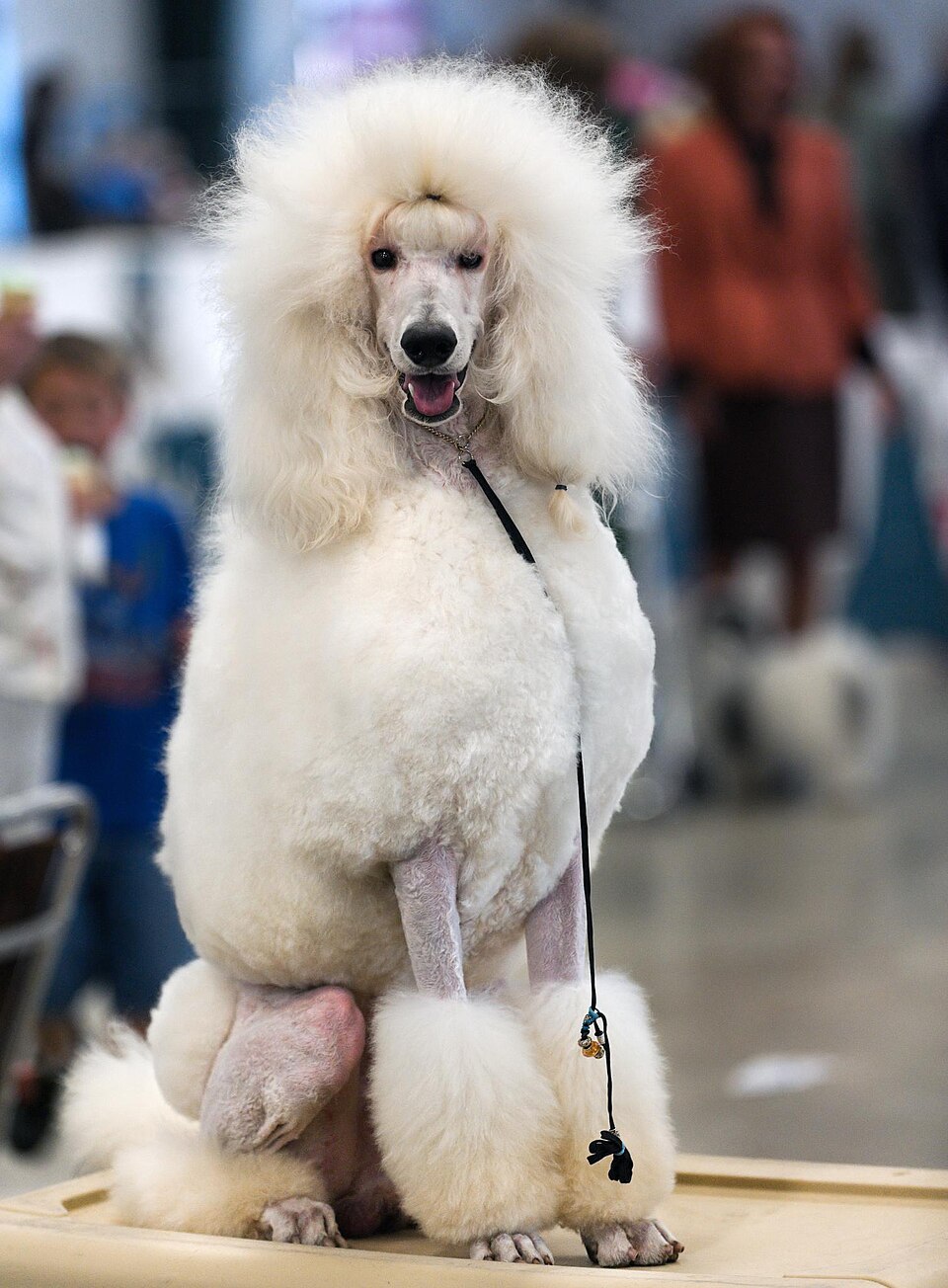
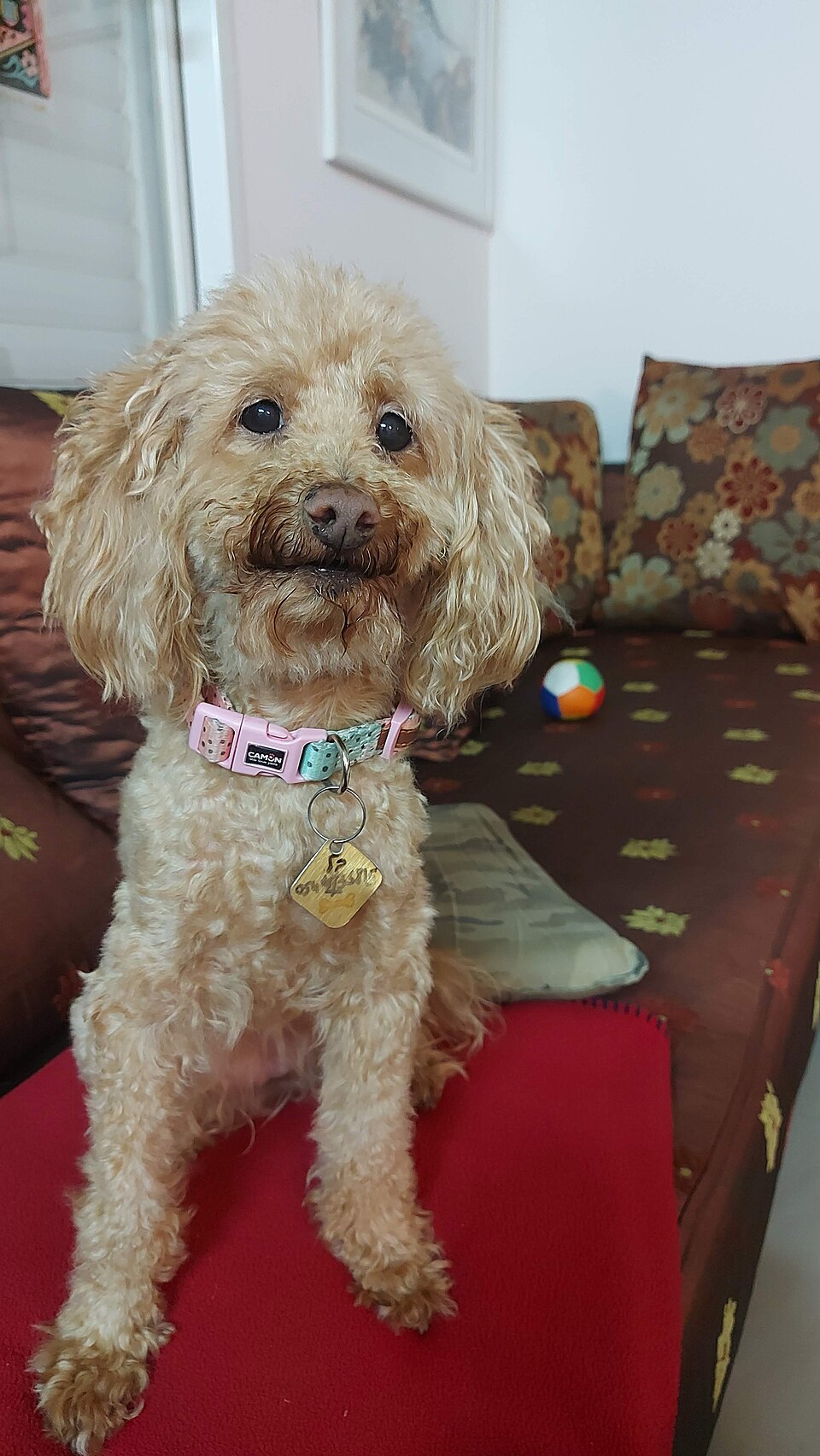
The Miniature Poodle was bred down from the Standard as a companion and circus performer, and it was the most popular breed in Britain in the 1950s and 1960s before fashion moved on. It is a separate breed from the Standard and the Toy on the Royal Kennel Club register, defined by height, and it keeps the Poodle intelligence in a size that suits a flat.
Dogs stand between 28 and 38 cm, with the breed's dense, curly, non-shedding coat in any solid colour. Miniatures are lively, affectionate and quick to train, and a stud with a sound, confident temperament is worth looking for, as the breed can be highly strung in some lines. Coat care is a lifelong commitment whichever clip is chosen.
Eye disease is the main screening question in the Miniature: ask for an annual eye certificate and for the DNA test for prcd-PRA, which is well established in the breed. Patella examination matters in a small breed, and hip scores are worth asking for, since Legg-Calvé-Perthes disease occurs. Epilepsy appears in the breed and no test exists, so a question about the line is fair.
Health & breeding
We check every hip, elbow, eye and DNA result you give us against the Royal Kennel Club’s public records by hand, and we record who checked it and when. The Royal Kennel Club’s public records may not include all the screening a dog has had, so a dog with no Royal Kennel Club record showing is not necessarily untested.
Breed Right’s summary — under The Royal Kennel Club Health Standard
Health tests for the Poodle (Miniature)
This panel is Breed Right’s summary of the testing that matters for the breed under The Royal Kennel Club Health Standard. The Health Standard is the Royal Kennel Club’s guidance for breeders, not a registration rule. It describes tests to ask about — it is not a report on any individual dog. The Royal Kennel Club’s public records may not include all the screening a dog has had, so a dog with no Royal Kennel Club record showing is not necessarily untested.
Best Practice — further tests it recommends
Completing these as well as the Good Practice tests is what the Royal Kennel Club calls Best Practice.
| Test | Type | Scheme | What’s involved |
|---|---|---|---|
| DNA test — prcd-PRA (Progressive Retinal Atrophy) | DNA test | Laboratory | The result printed on the laboratory certificate. |
| DNA test — OC (Osteochondrodysplasia) | DNA test | Laboratory | The result printed on the laboratory certificate. |
| Hip score (BVA/KC) | Screening scheme | BVA/KC | Total of both hips, 0–106. Lower is better. |
| Eye testing (BVA/KC/ISDS) | Screening scheme | BVA/KC/ISDS | Result printed on the eye certificate. |
Breed hip median
Breed median 11 (BVA Hip Dysplasia Scheme breed statistics 2025 — 5 years, 68 dogs scored). Lower is better. Source · How hip scores work
At stud now
Poodle (Miniature) stud dogs
No Poodle (Miniature) studs are listed right now
When a Poodle (Miniature) on the Royal Kennel Club Breed Register is listed at stud, it will appear here.
Also available
Poodle (Miniature) litters
No Poodle (Miniature) litters are listed right now
Litters appear here as breeders list them. Check back soon, or browse other breeds.