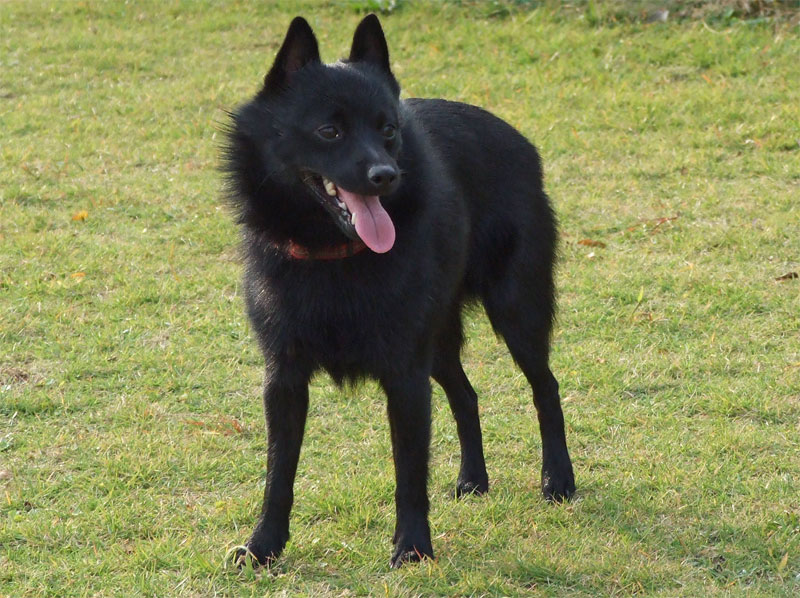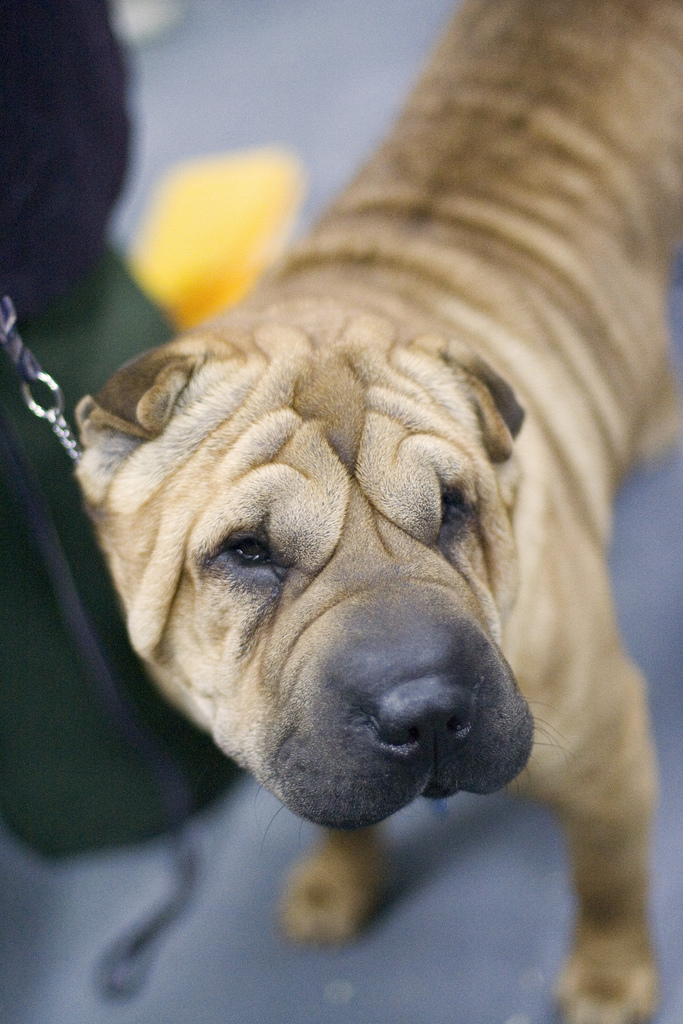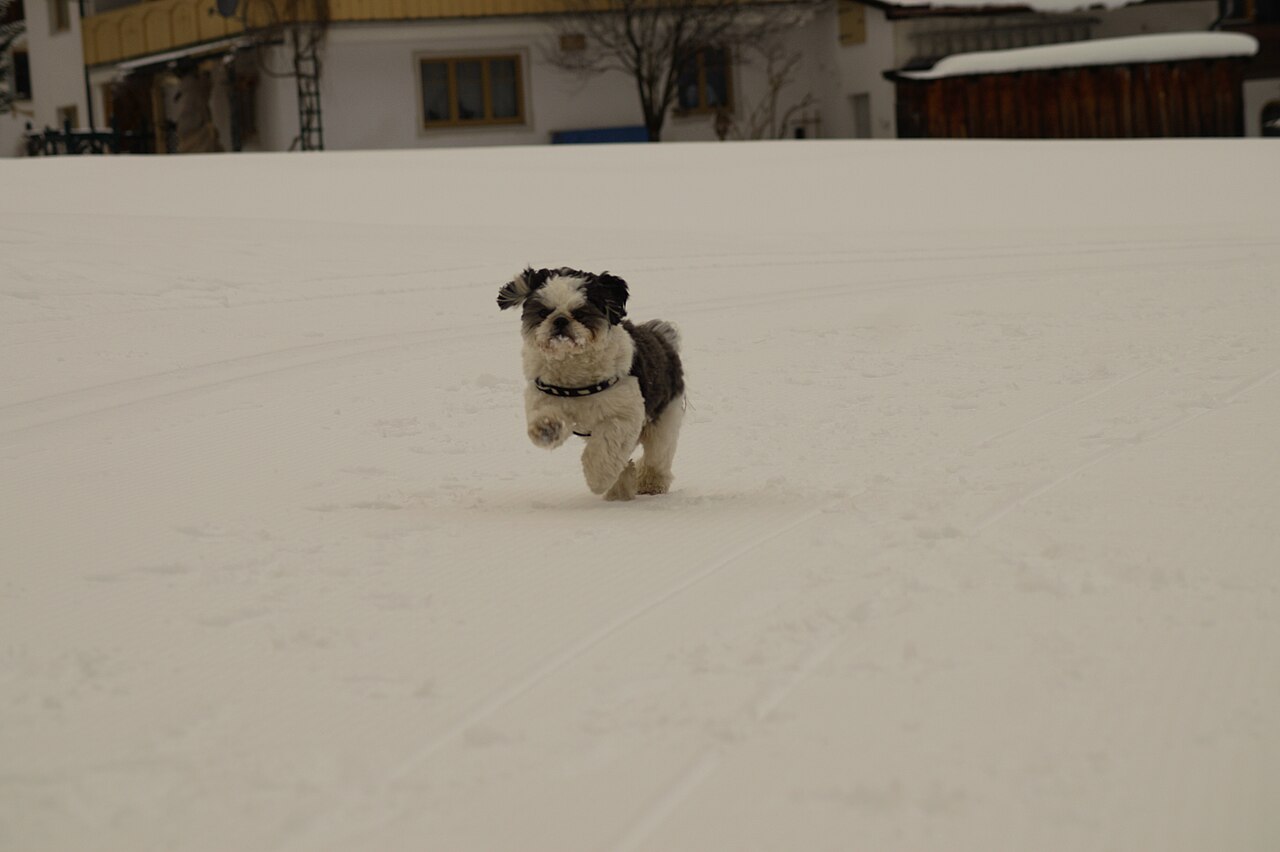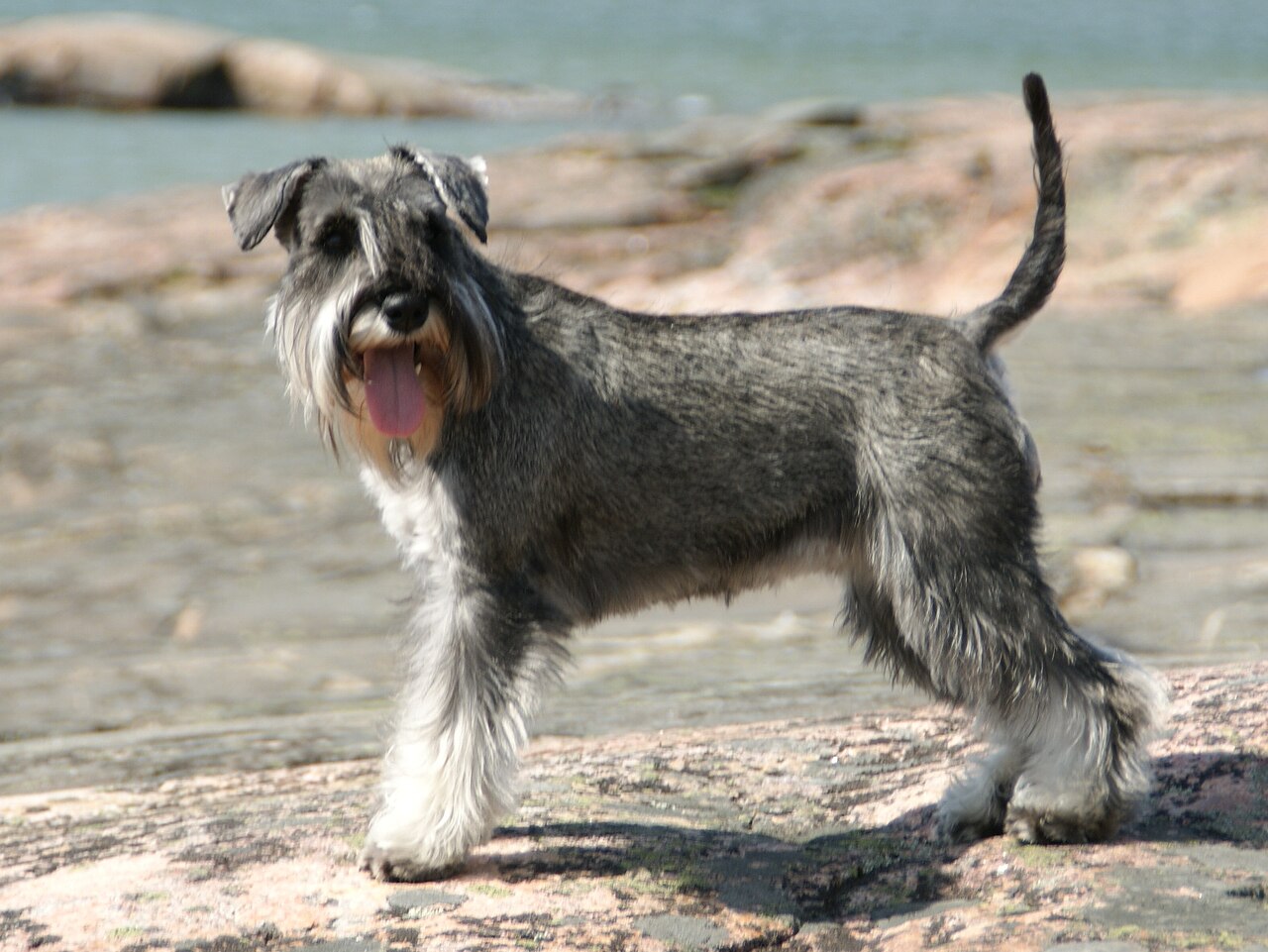
Miniature Schnauzer
The Miniature Schnauzer was bred down in Germany in the late nineteenth century from the Standard Schnauzer, with Affenpinscher and possibly Poodle blood, as a farm ratter, and it…
About the Miniature Schnauzer
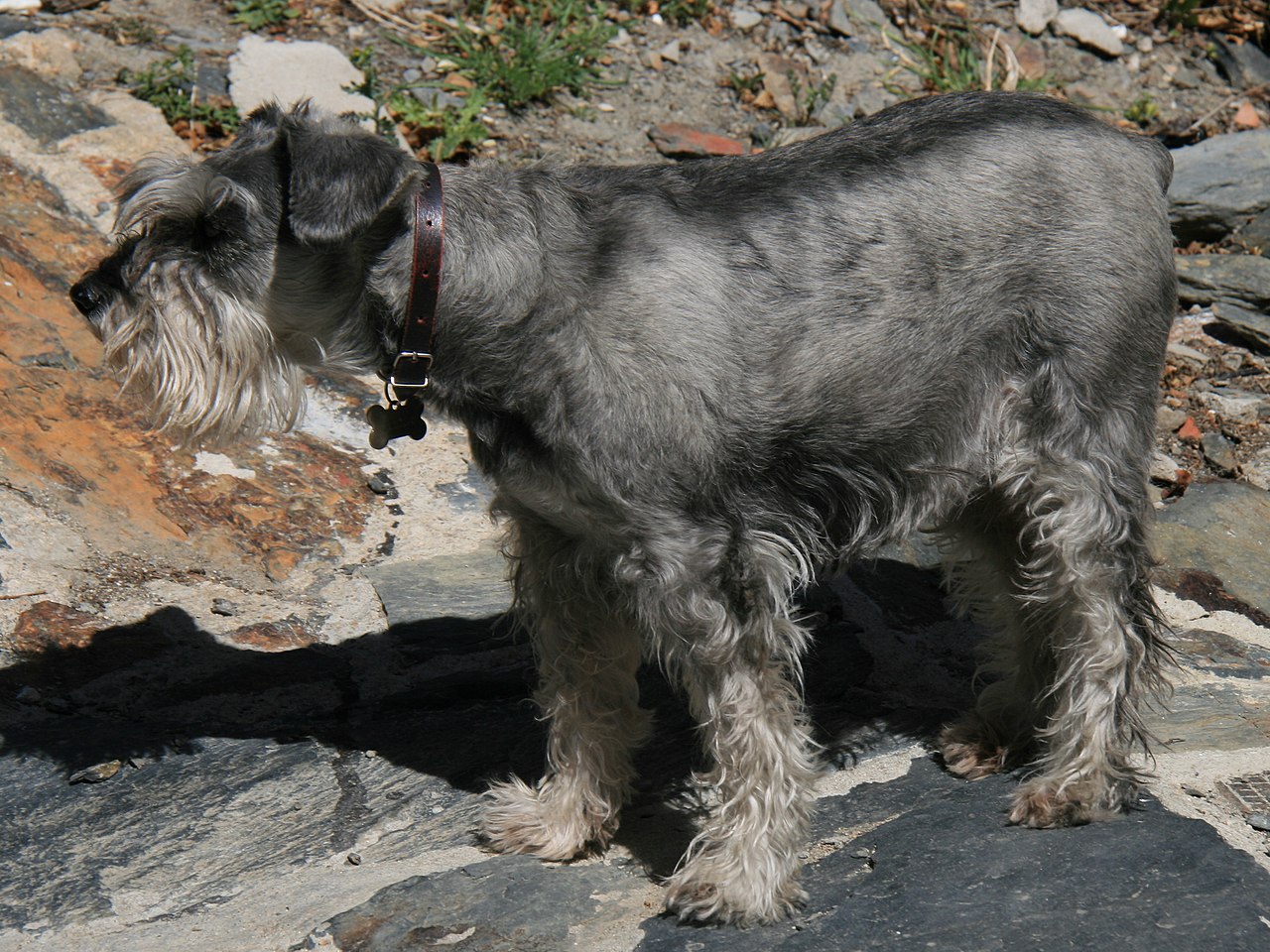
The Miniature Schnauzer was bred down in Germany in the late nineteenth century from the Standard Schnauzer, with Affenpinscher and possibly Poodle blood, as a farm ratter, and it became a companion breed of great popularity in the twentieth. It is registered in the Utility group in Britain rather than with the terriers.
Dogs stand about 36 cm, with a harsh wiry coat and the breed's characteristic beard and eyebrows, in pepper and salt, black, black and silver, or white. Miniature Schnauzers are bright, vocal and devoted, and a stud with an outgoing, sensible temperament will pass on what makes the breed such good company. The coat needs stripping or clipping every few months.
Eye disease leads the screening list: ask for an annual eye certificate, since hereditary cataract and progressive retinal atrophy occur in the breed, and for the DNA tests that exist for PRA. Ask too for the DNA tests for mycobacterium avium complex susceptibility and myotonia congenita, both established in the breed. Pancreatitis and high blood fat run in some lines and are worth a question about the family.
Health & breeding
We check every hip, elbow, eye and DNA result you give us against the Royal Kennel Club’s public records by hand, and we record who checked it and when. The Royal Kennel Club’s public records may not include all the screening a dog has had, so a dog with no Royal Kennel Club record showing is not necessarily untested.
Breed Right’s summary — under The Royal Kennel Club Health Standard
Health tests for the Miniature Schnauzer
This panel is Breed Right’s summary of the testing that matters for the breed under The Royal Kennel Club Health Standard. The Health Standard is the Royal Kennel Club’s guidance for breeders, not a registration rule. It describes tests to ask about — it is not a report on any individual dog. The Royal Kennel Club’s public records may not include all the screening a dog has had, so a dog with no Royal Kennel Club record showing is not necessarily untested.
Best Practice — further tests it recommends
Completing these as well as the Good Practice tests is what the Royal Kennel Club calls Best Practice.
| Test | Type | Scheme | What’s involved |
|---|---|---|---|
| DNA test — MAC (Mycobacterium Avium Complex susceptibility) | DNA test | Laboratory | The result printed on the laboratory certificate. |
| Eye testing (BVA/KC/ISDS) | Screening scheme | BVA/KC/ISDS | Result printed on the eye certificate. |
Breed hip median
Breed median 10 (BVA Hip Dysplasia Scheme breed statistics 2025 — 5 years, 5 dogs scored — indicative only, from a small sample). Lower is better. Source · How hip scores work
At stud now
Miniature Schnauzer stud dogs
No Miniature Schnauzer studs are listed right now
When a Miniature Schnauzer on the Royal Kennel Club Breed Register is listed at stud, it will appear here.
Also available
Miniature Schnauzer litters
No Miniature Schnauzer litters are listed right now
Litters appear here as breeders list them. Check back soon, or browse other breeds.