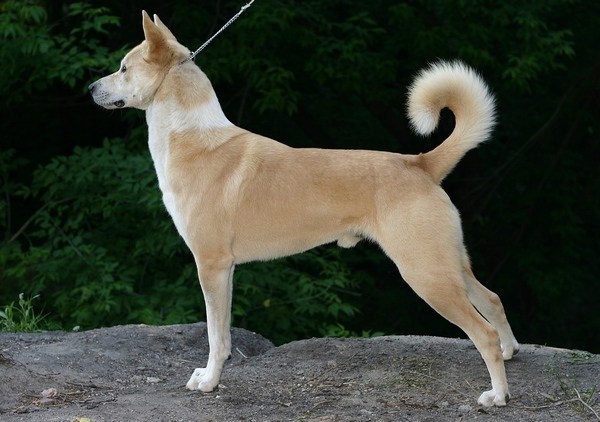
Canaan Dog
The Canaan Dog is the pariah dog of the Levant, which lived semi-wild around encampments and settlements for thousands of years before Dr Rudolphina Menzel brought it into…
About the Canaan Dog
The Canaan Dog is the pariah dog of the Levant, which lived semi-wild around encampments and settlements for thousands of years before Dr Rudolphina Menzel brought it into domestic service in the 1930s and trained the first ones as guard and messenger dogs. Those survival instincts have not been bred out of it.
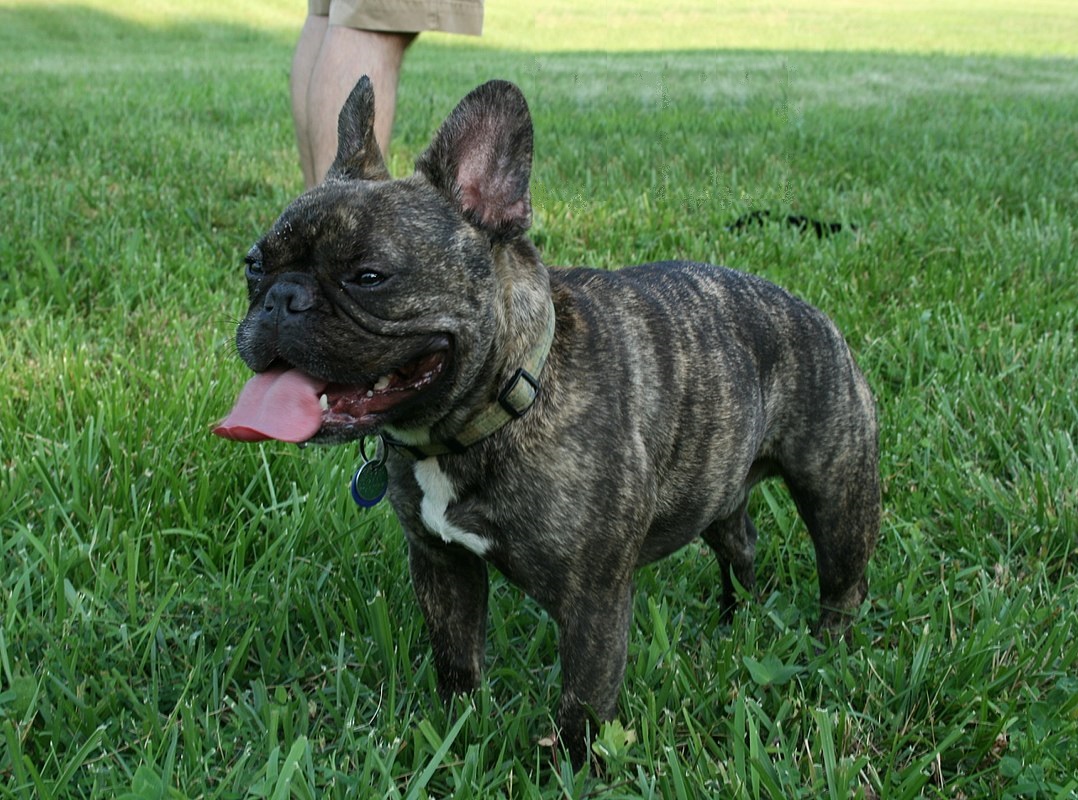
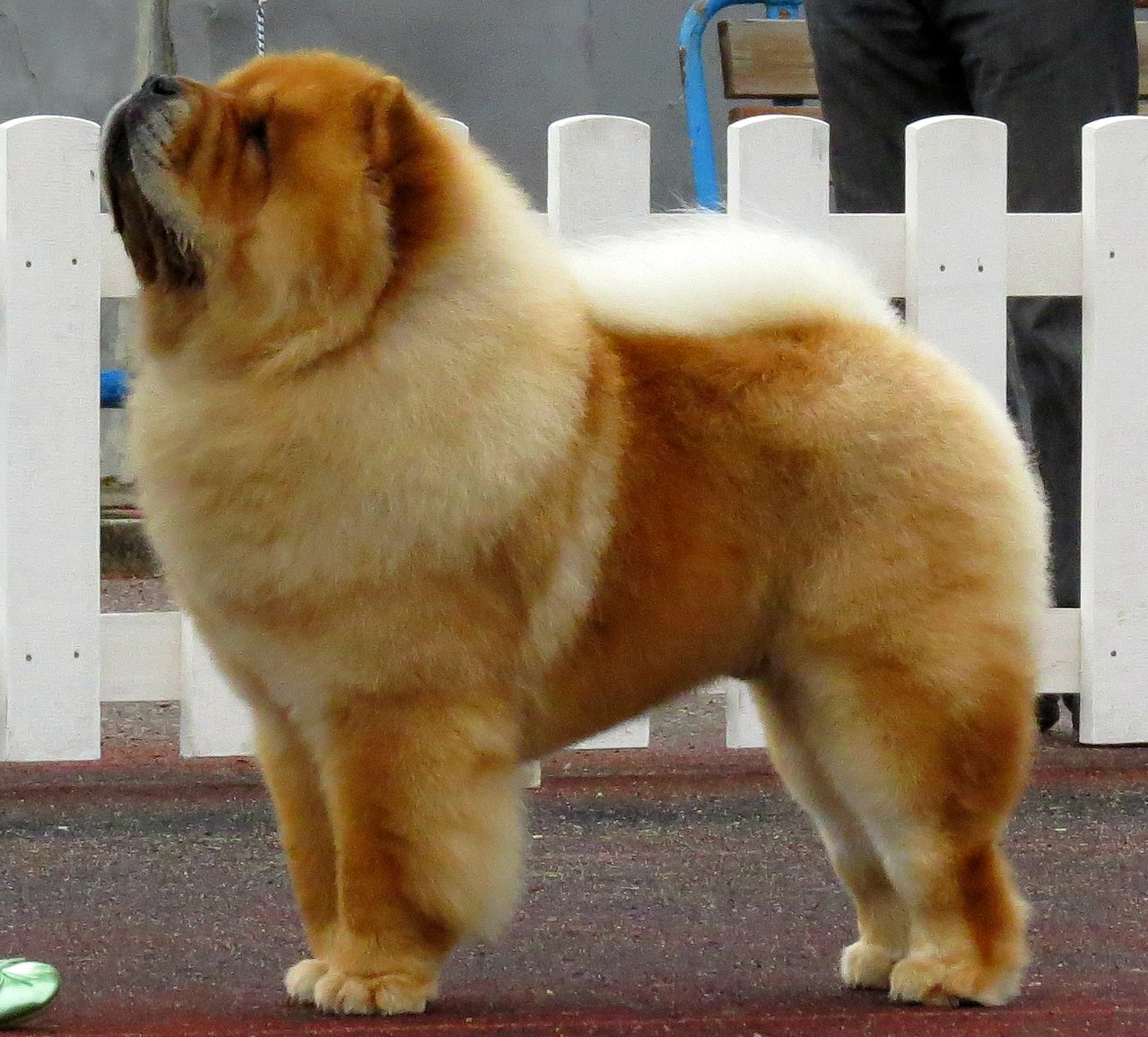
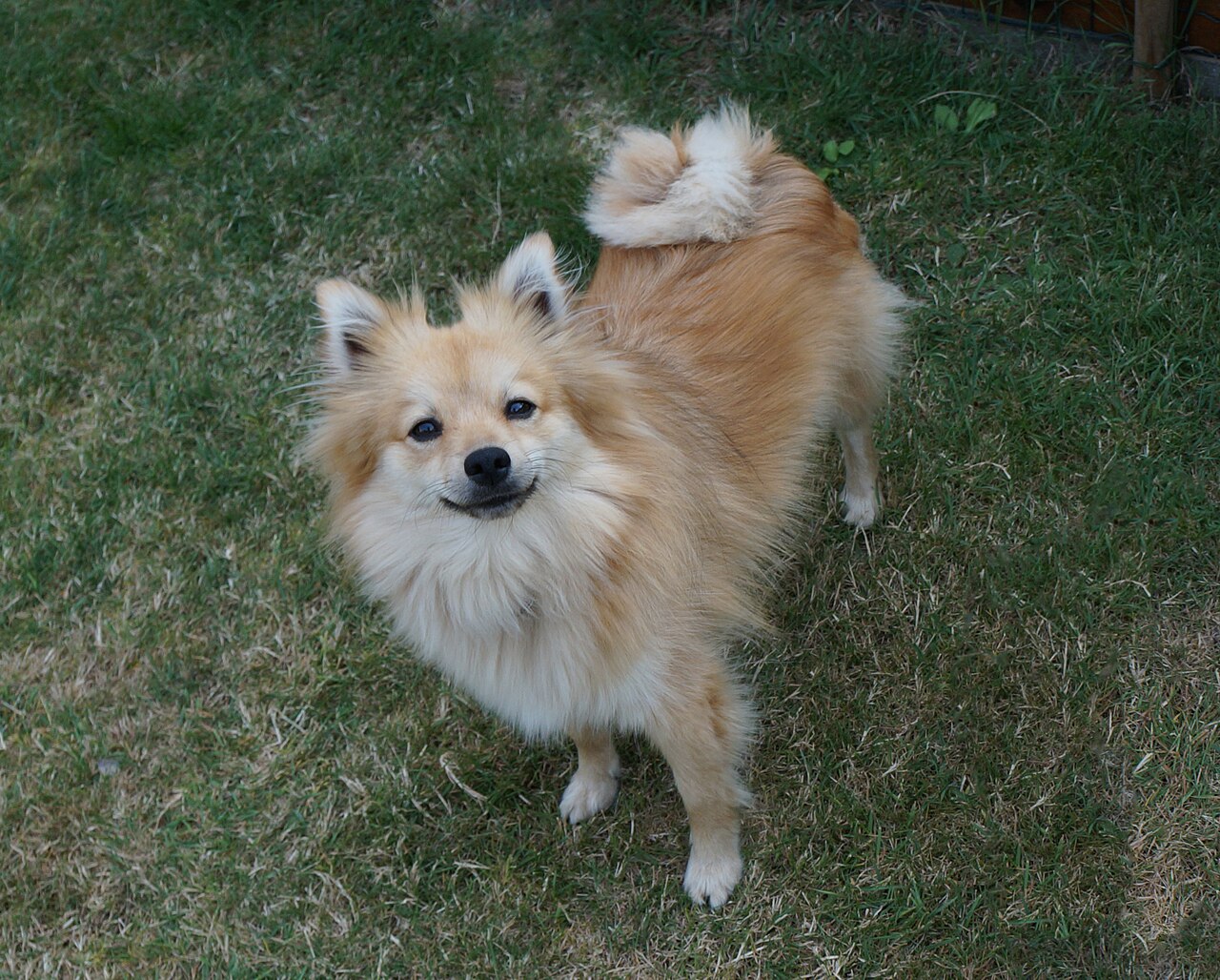
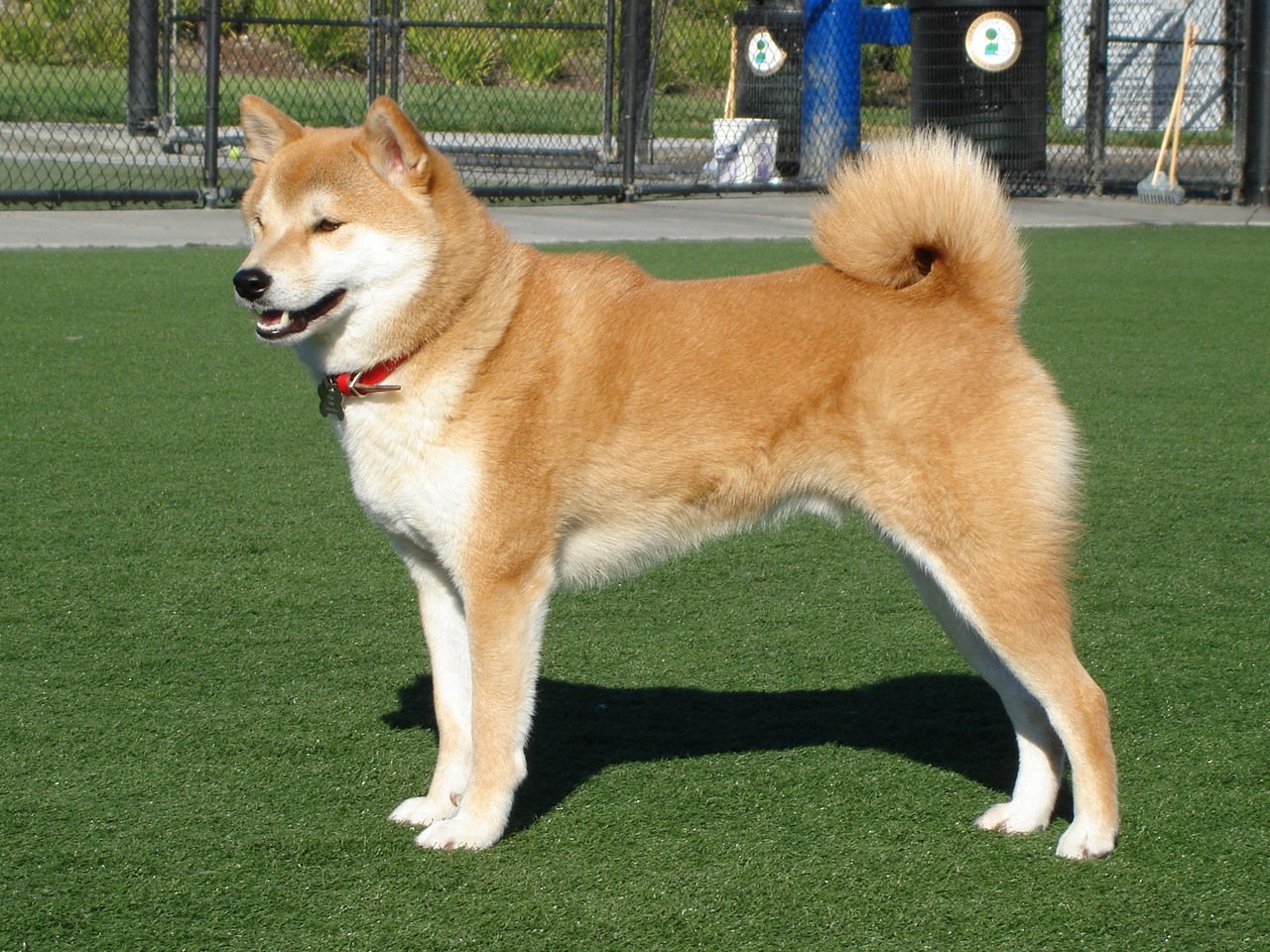
Dogs stand 50 to 60 cm, square, medium-boned and entirely unexaggerated, with a harsh, straight double coat in sand, red-brown, white, black, or white with patches, often with a mask. The breed is watchful, territorial and quick to sound an alarm. A stud should be confident and unafraid rather than merely quiet, because reactivity and sharpness with strangers pass down easily here.
This is a naturally hardy dog with a short screening list. Hip and elbow scores and a current eye examination are the reasonable requests, along with a patella assessment. Ask what the breed's parent clubs in Israel and North America currently advise, since most British pedigrees run back to those populations, and ask about thyroid function and epilepsy in the family. In a rare breed the pedigree itself is often the most useful health document there is.
Health & breeding
We check every hip, elbow, eye and DNA result you give us against the Royal Kennel Club’s public records by hand, and we record who checked it and when. The Royal Kennel Club’s public records may not include all the screening a dog has had, so a dog with no Royal Kennel Club record showing is not necessarily untested.
Breed Right’s summary — under The Royal Kennel Club Health Standard
Health tests for the Canaan Dog
This panel is Breed Right’s summary of the testing that matters for the breed under The Royal Kennel Club Health Standard. The Health Standard is the Royal Kennel Club’s guidance for breeders, not a registration rule. It describes tests to ask about — it is not a report on any individual dog. The Royal Kennel Club’s public records may not include all the screening a dog has had, so a dog with no Royal Kennel Club record showing is not necessarily untested.
Best Practice — further tests it recommends
Completing these as well as the Good Practice tests is what the Royal Kennel Club calls Best Practice.
| Test | Type | Scheme | What’s involved |
|---|---|---|---|
| Hip score (BVA/KC) | Screening scheme | BVA/KC | Total of both hips, 0–106. Lower is better. |
| Eye testing (BVA/KC/ISDS) | Screening scheme | BVA/KC/ISDS | Result printed on the eye certificate. |
Breed hip median
Too few dogs of this breed have been scored (BVA Hip Dysplasia Scheme breed statistics 2025 — 5 years: 3 dogs) to give a meaningful breed median. Source · How hip scores work
At stud now
Canaan Dog stud dogs
No Canaan Dog studs are listed right now
When a Canaan Dog on the Royal Kennel Club Breed Register is listed at stud, it will appear here.
Also available
Canaan Dog litters
No Canaan Dog litters are listed right now
Litters appear here as breeders list them. Check back soon, or browse other breeds.