Eurasier
The Eurasier was created in Germany in the 1960s by Julius Wipfel and a small group of breeders, who crossed the Chow Chow with the Wolfspitz and later added the Samoyed, with the…
About the Eurasier
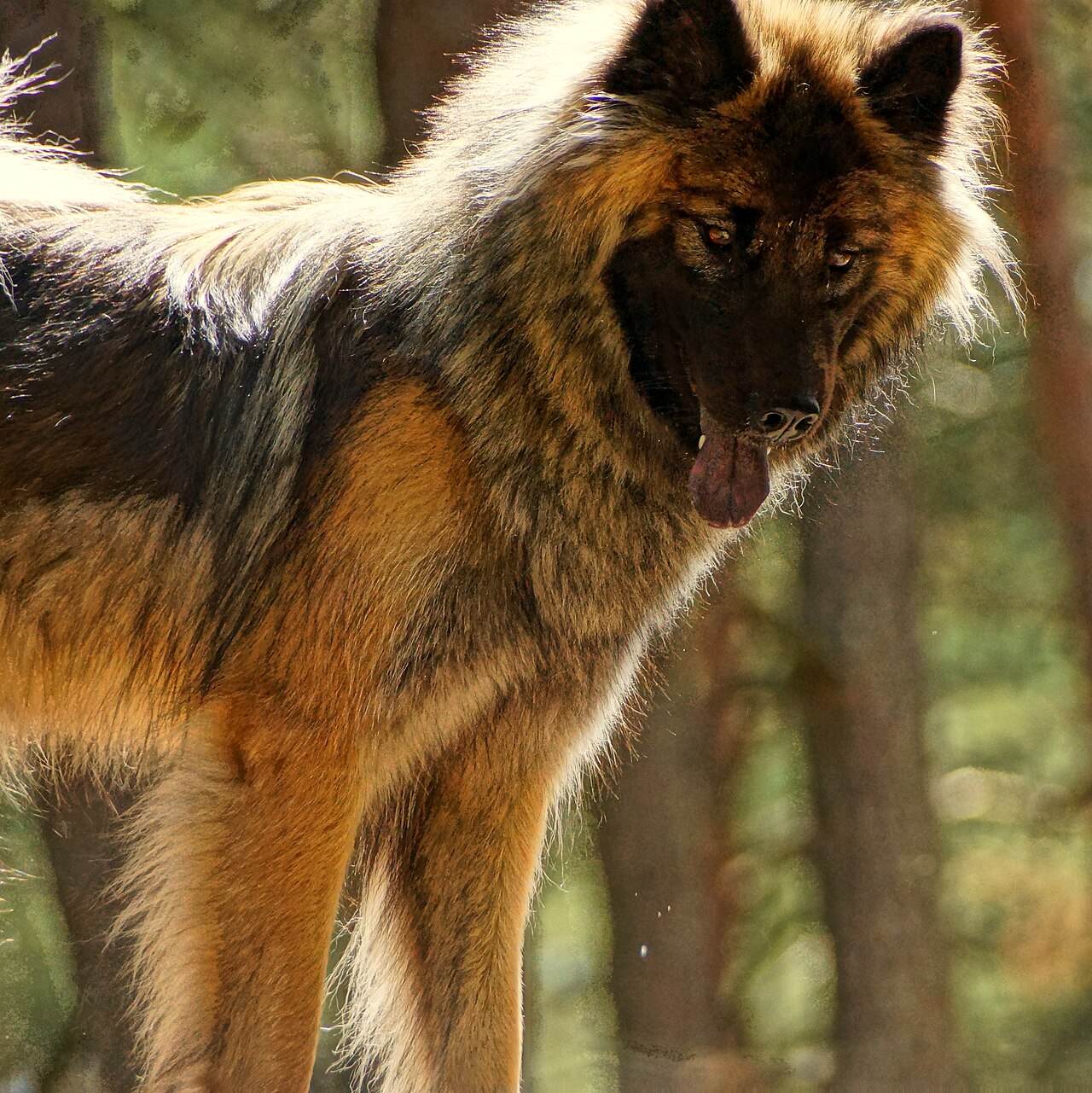
The Eurasier was created in Germany in the 1960s by Julius Wipfel and a small group of breeders, who crossed the Chow Chow with the Wolfspitz and later added the Samoyed, with the explicit aim of producing a calm family companion rather than a working dog. It is one of very few breeds whose founding purpose was temperament first.
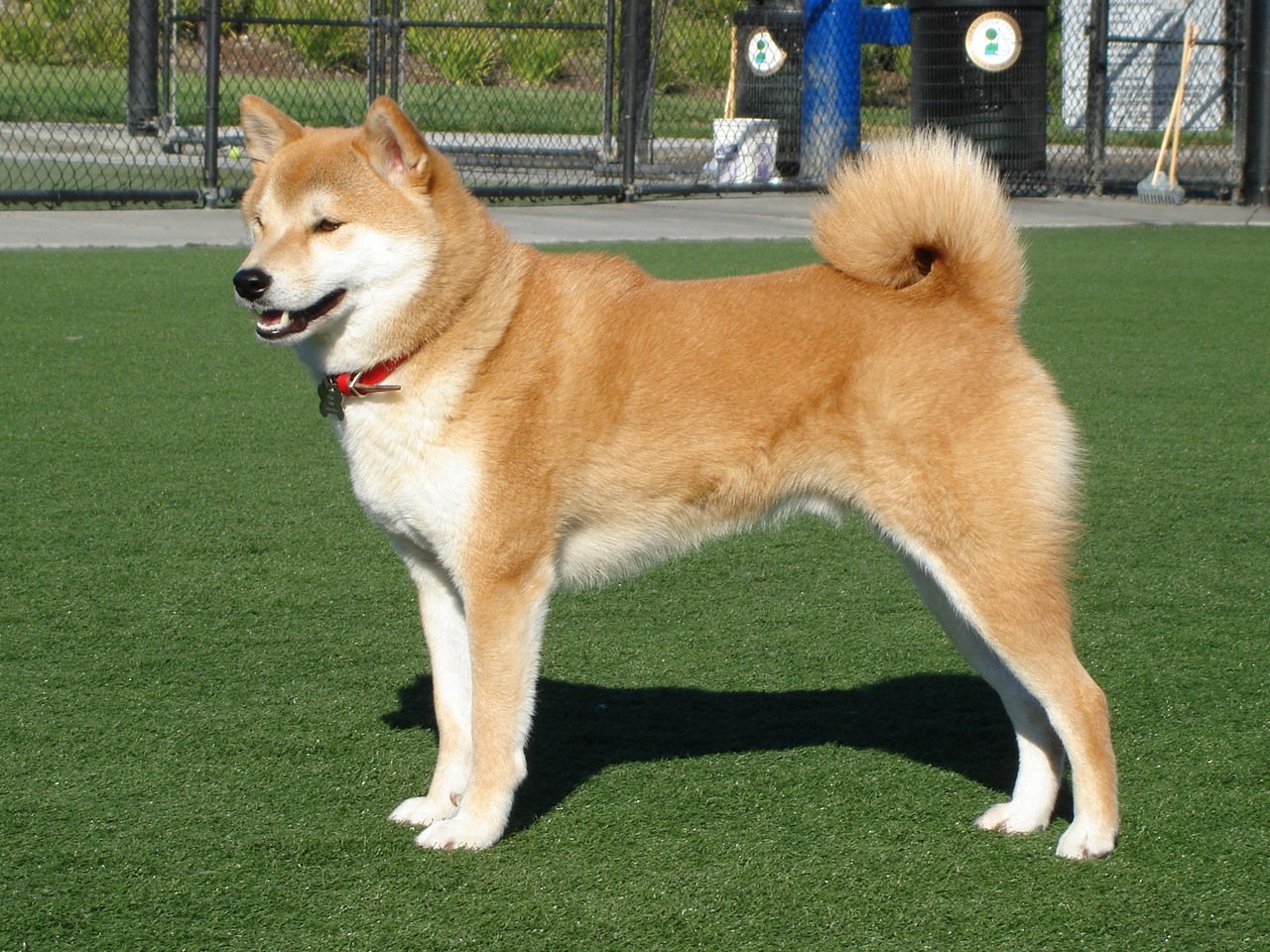
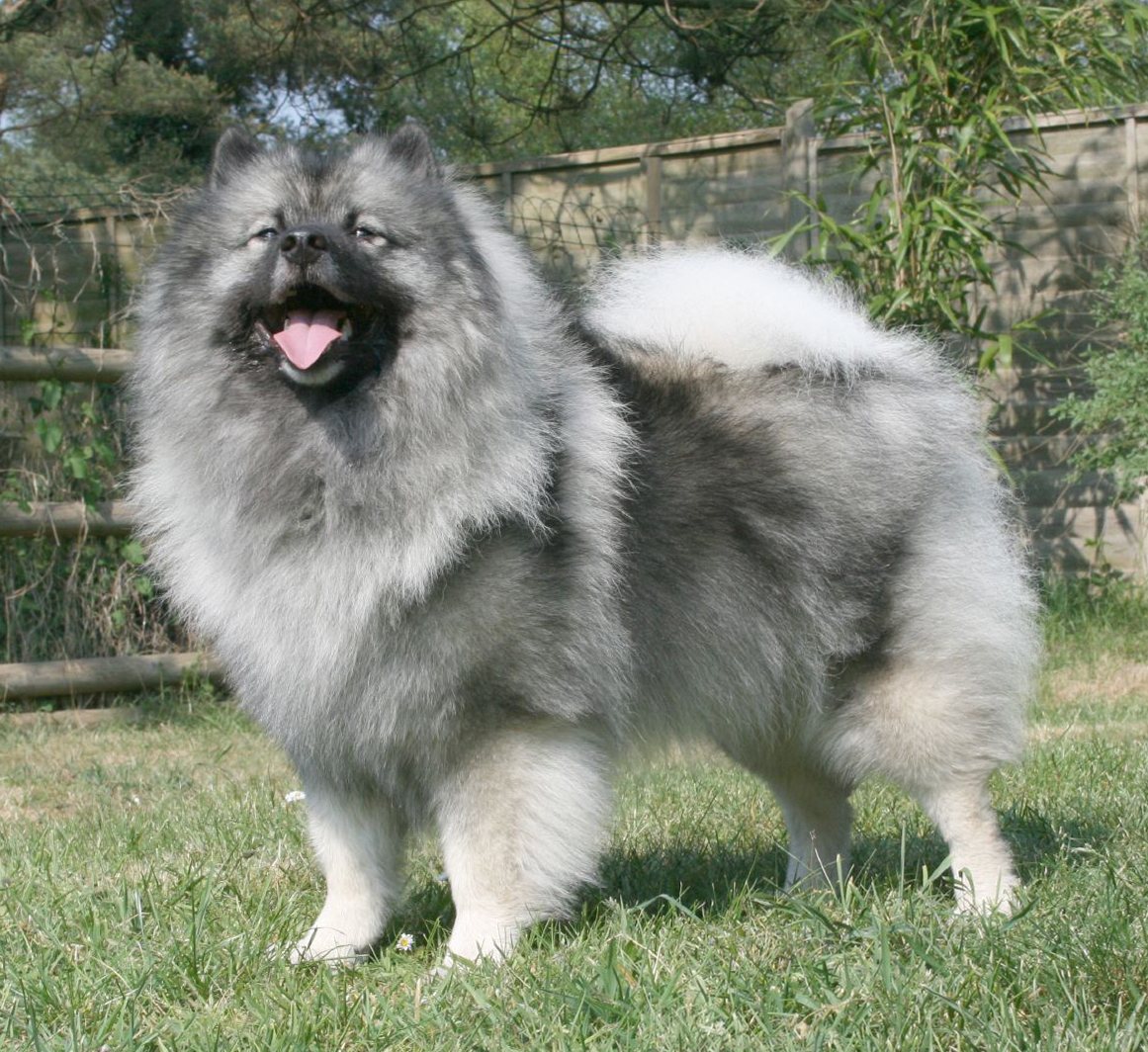
Dogs stand 52 to 60 cm, with a medium-length double coat, a curled tail and a wedge-shaped head, in almost any colour other than pure white, liver, or white patching. The tongue may be pink, blue-black or spotted. This is an affectionate breed at home and a quietly reserved one outside it, and a stud should be confident and unflappable, since timidity is the fault the breed clubs work hardest against.
Hip and elbow scores, a patella assessment and a current eye examination are the four requests worth making, and distichiasis, where extra lashes rub against the cornea, is among the things that examination looks for. Ask about thyroid function and about autoimmune conditions in the family, both of which the clubs monitor. The gene pool is narrow by descent, so ask for the inbreeding coefficient of the proposed mating.
Health & breeding
We check every hip, elbow, eye and DNA result you give us against the Royal Kennel Club’s public records by hand, and we record who checked it and when. The Royal Kennel Club’s public records may not include all the screening a dog has had, so a dog with no Royal Kennel Club record showing is not necessarily untested.
Breed Right’s summary — under The Royal Kennel Club Health Standard
Health tests for the Eurasier
This panel is Breed Right’s summary of the testing that matters for the breed under The Royal Kennel Club Health Standard. The Health Standard is the Royal Kennel Club’s guidance for breeders, not a registration rule. It describes tests to ask about — it is not a report on any individual dog. The Royal Kennel Club’s public records may not include all the screening a dog has had, so a dog with no Royal Kennel Club record showing is not necessarily untested.
Best Practice — further tests it recommends
Completing these as well as the Good Practice tests is what the Royal Kennel Club calls Best Practice.
| Test | Type | Scheme | What’s involved |
|---|---|---|---|
| Hip score (BVA/KC) | Screening scheme | BVA/KC | Total of both hips, 0–106. Lower is better. |
| Elbow grading (BVA/KC) | Screening scheme | BVA/KC | Grade 0–3. The dog is graded on the worse of the two elbows. |
| Eye testing (BVA/KC/ISDS) | Screening scheme | BVA/KC/ISDS | Result printed on the eye certificate. |
Breed club schemes listed in the Health Standard
Run by the breed club, not the Royal Kennel Club, which does not record their results. The Standard lists them as schemes to be aware of.
| Test | Type | Scheme | What’s involved |
|---|---|---|---|
| Patella examination (breed club scheme) | Other | Breed club | Putnam grade 0–4 per stifle. |
| Thyroid testing (breed club scheme) | Other | Breed club | Panel result within the club’s time limit. |
Breed hip median
Breed median 6 (BVA Hip Dysplasia Scheme breed statistics 2025 — 5 years, 44 dogs scored — indicative only, from a small sample). Lower is better. Source · How hip scores work
At stud now
Eurasier stud dogs
No Eurasier studs are listed right now
When a Eurasier on the Royal Kennel Club Breed Register is listed at stud, it will appear here.
Also available
Eurasier litters
No Eurasier litters are listed right now
Litters appear here as breeders list them. Check back soon, or browse other breeds.