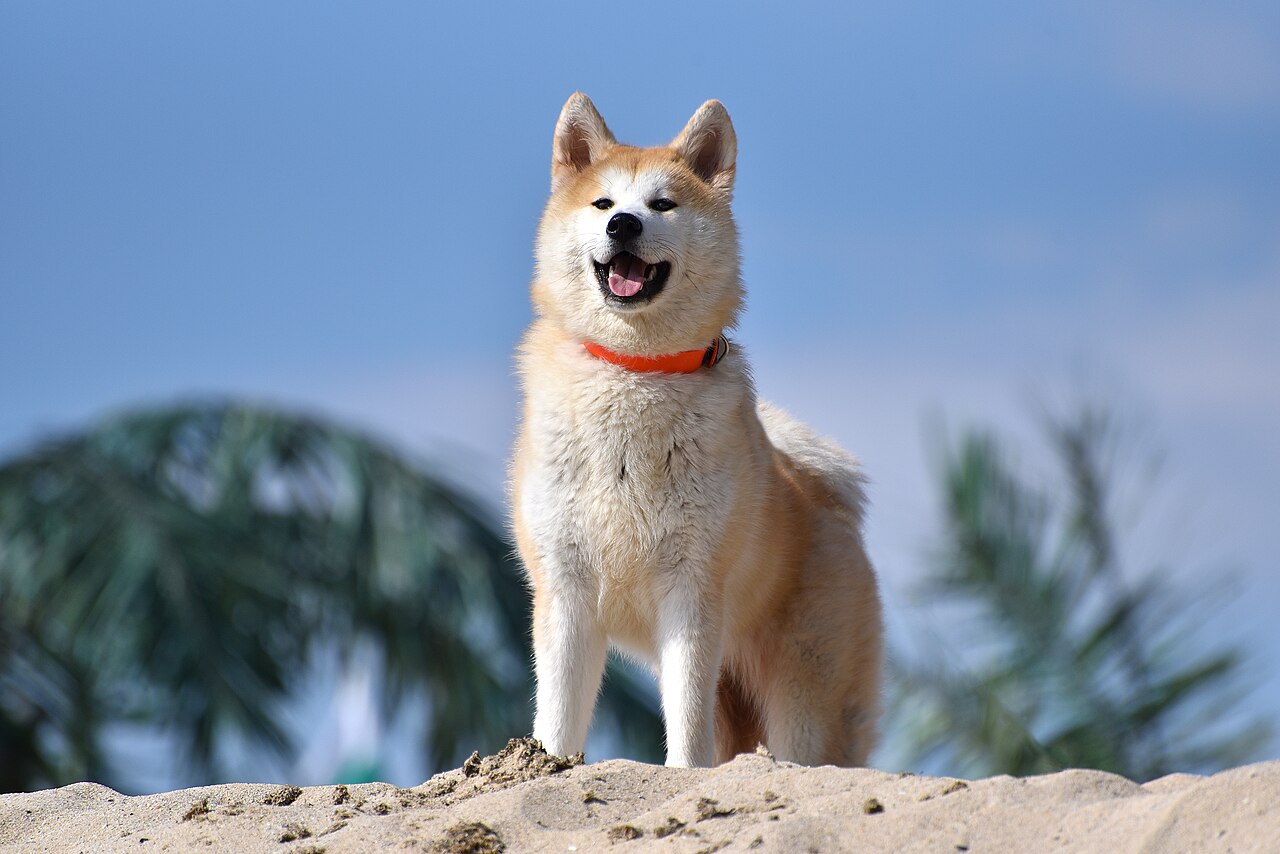
Japanese Akita Inu
The Japanese Akita Inu is the original dog of Akita prefecture in northern Honshu, and the Royal Kennel Club registers it separately from the Akita, which developed along…
About the Japanese Akita Inu
The Japanese Akita Inu is the original dog of Akita prefecture in northern Honshu, and the Royal Kennel Club registers it separately from the Akita, which developed along different lines in the United States after the war. Japanese breeders worked hard to return the breed to its native type, and the two have not been interbred here since the separation.
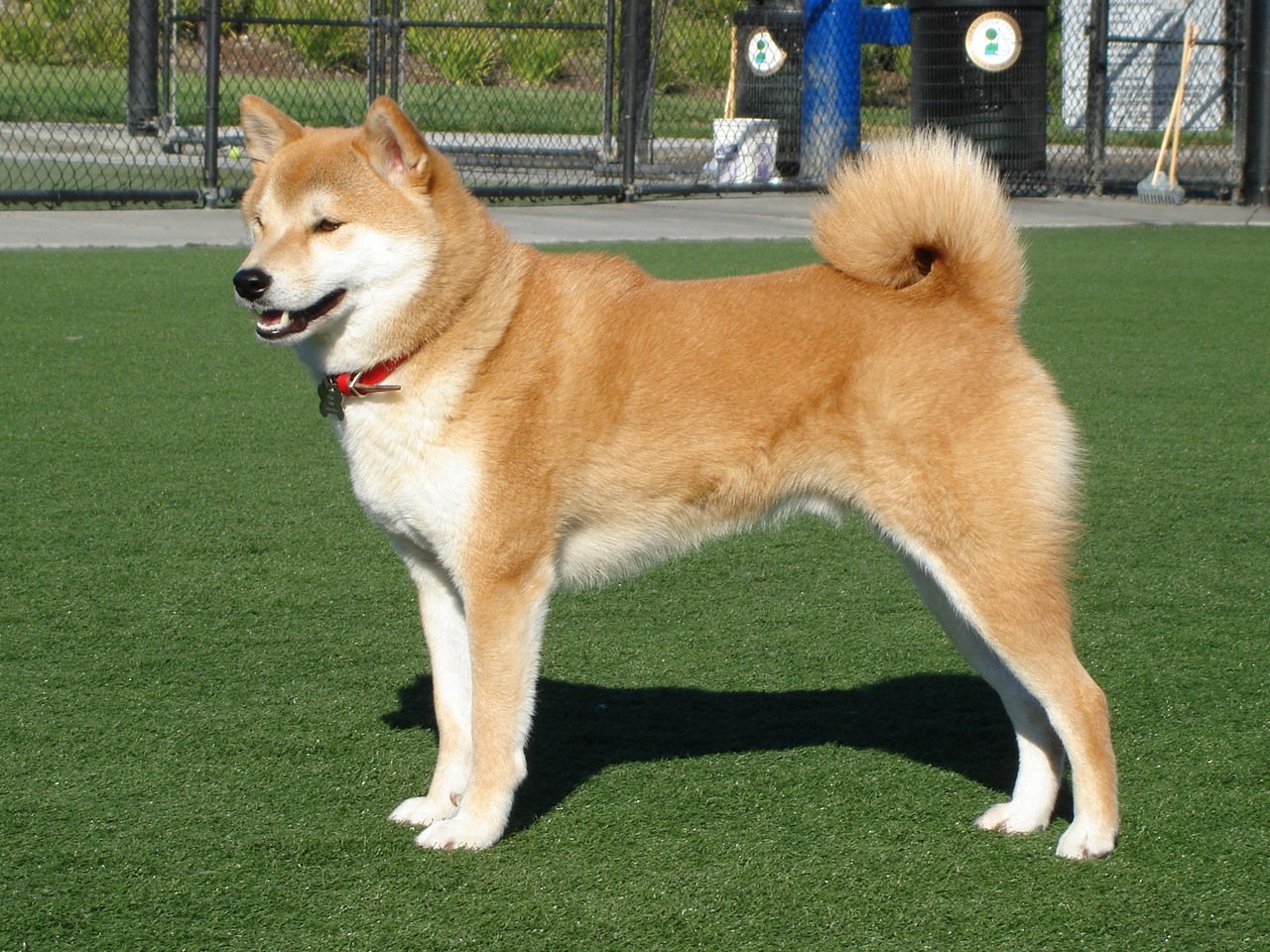
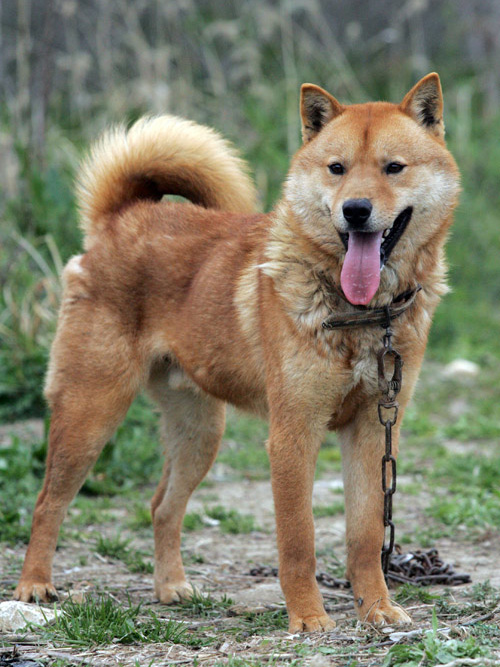
This is a lighter, foxier dog than its American relative, with smaller triangular eyes and a clearly defined stop, standing about 64 to 70 cm. Colours are limited to red fawn, sesame, brindle and white, and all but the white must show urajiro, the pale shading on cheeks, chest and legs. A stud should be dignified and steady on the lead, and same-sex aggression is a serious matter in a dog of this size and strength.
Hip and elbow scoring and an annual eye examination are the standard requests. Immune-mediated conditions matter more in this breed than in most, and none of them has a DNA test, so the conversation to have is about the parents and siblings and what they have been treated for. Ask about thyroid function, about how the dog has coped with anaesthetics, and about what the breeder has seen of longevity in the line.
Health & breeding
We check every hip, elbow, eye and DNA result you give us against the Royal Kennel Club’s public records by hand, and we record who checked it and when. The Royal Kennel Club’s public records may not include all the screening a dog has had, so a dog with no Royal Kennel Club record showing is not necessarily untested.
Breed Right’s summary — under The Royal Kennel Club Health Standard
Health tests for the Japanese Akita Inu
This panel is Breed Right’s summary of the testing that matters for the breed under The Royal Kennel Club Health Standard. The Health Standard is the Royal Kennel Club’s guidance for breeders, not a registration rule. It describes tests to ask about — it is not a report on any individual dog. The Royal Kennel Club’s public records may not include all the screening a dog has had, so a dog with no Royal Kennel Club record showing is not necessarily untested.
Best Practice — further tests it recommends
Completing these as well as the Good Practice tests is what the Royal Kennel Club calls Best Practice.
| Test | Type | Scheme | What’s involved |
|---|---|---|---|
| DNA test — AI/FEH (Amelogenesis Imperfecta / Familial Enamel Hypoplasia) | DNA test | Laboratory | The result printed on the laboratory certificate. |
| Hip score (BVA/KC) | Screening scheme | BVA/KC | Total of both hips, 0–106. Lower is better. |
| Elbow grading (BVA/KC) | Screening scheme | BVA/KC | Grade 0–3. The dog is graded on the worse of the two elbows. |
Breed hip median
Breed median 8 (BVA Hip Dysplasia Scheme breed statistics 2025 — 5 years, 20 dogs scored — indicative only, from a small sample). Lower is better. Source · How hip scores work
At stud now
Japanese Akita Inu stud dogs
No Japanese Akita Inu studs are listed right now
When a Japanese Akita Inu on the Royal Kennel Club Breed Register is listed at stud, it will appear here.
Also available
Japanese Akita Inu litters
No Japanese Akita Inu litters are listed right now
Litters appear here as breeders list them. Check back soon, or browse other breeds.