German Spitz (Klein)
The German Spitz (Klein) is the smaller of the two sizes registered in Britain and belongs to a family of dogs that has guarded German farms and barges for centuries, watching…
About the German Spitz (Klein)
The German Spitz (Klein) is the smaller of the two sizes registered in Britain and belongs to a family of dogs that has guarded German farms and barges for centuries, watching from a height and announcing everything it sees. Klein simply means small, and what separates the sizes is height rather than type.
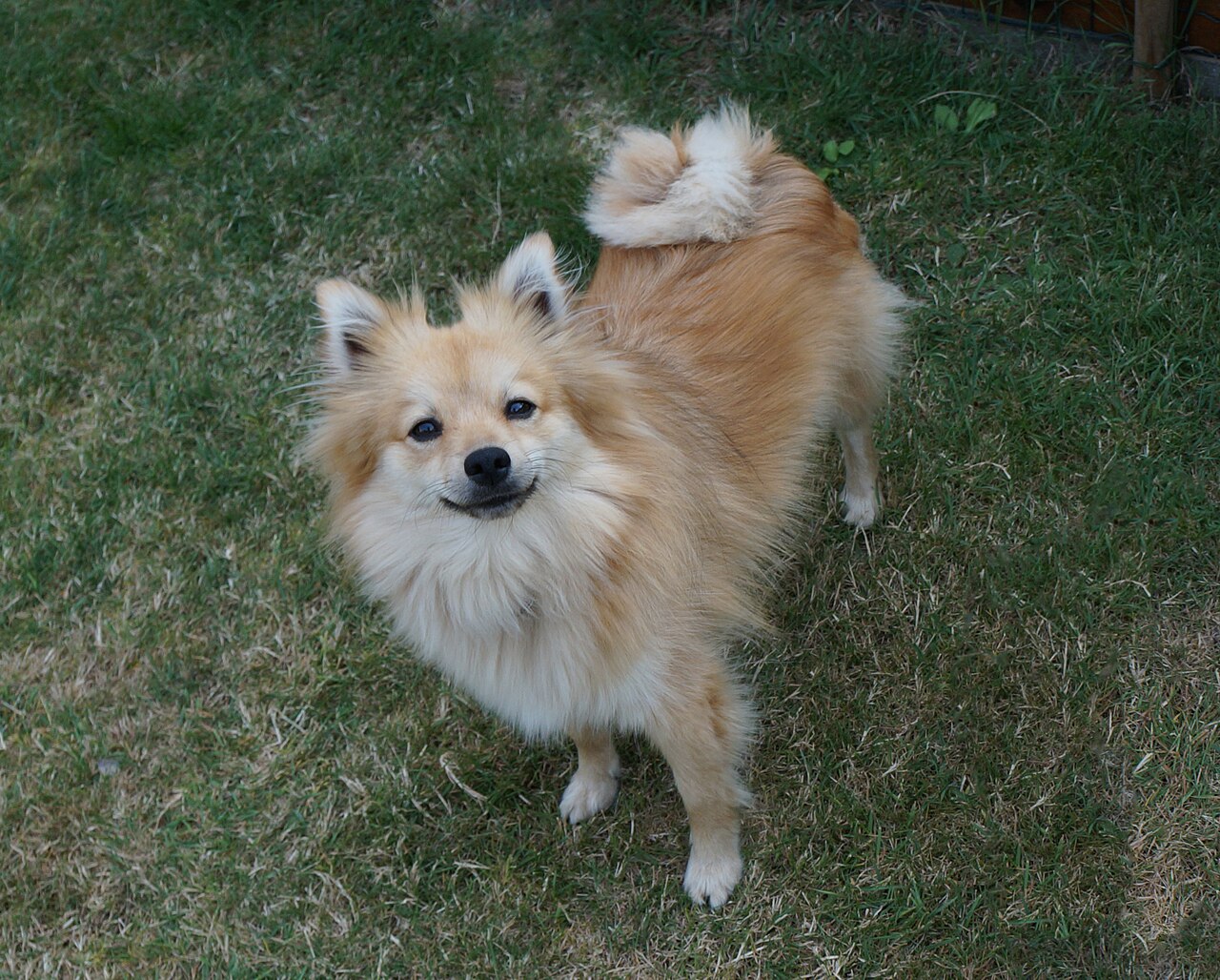
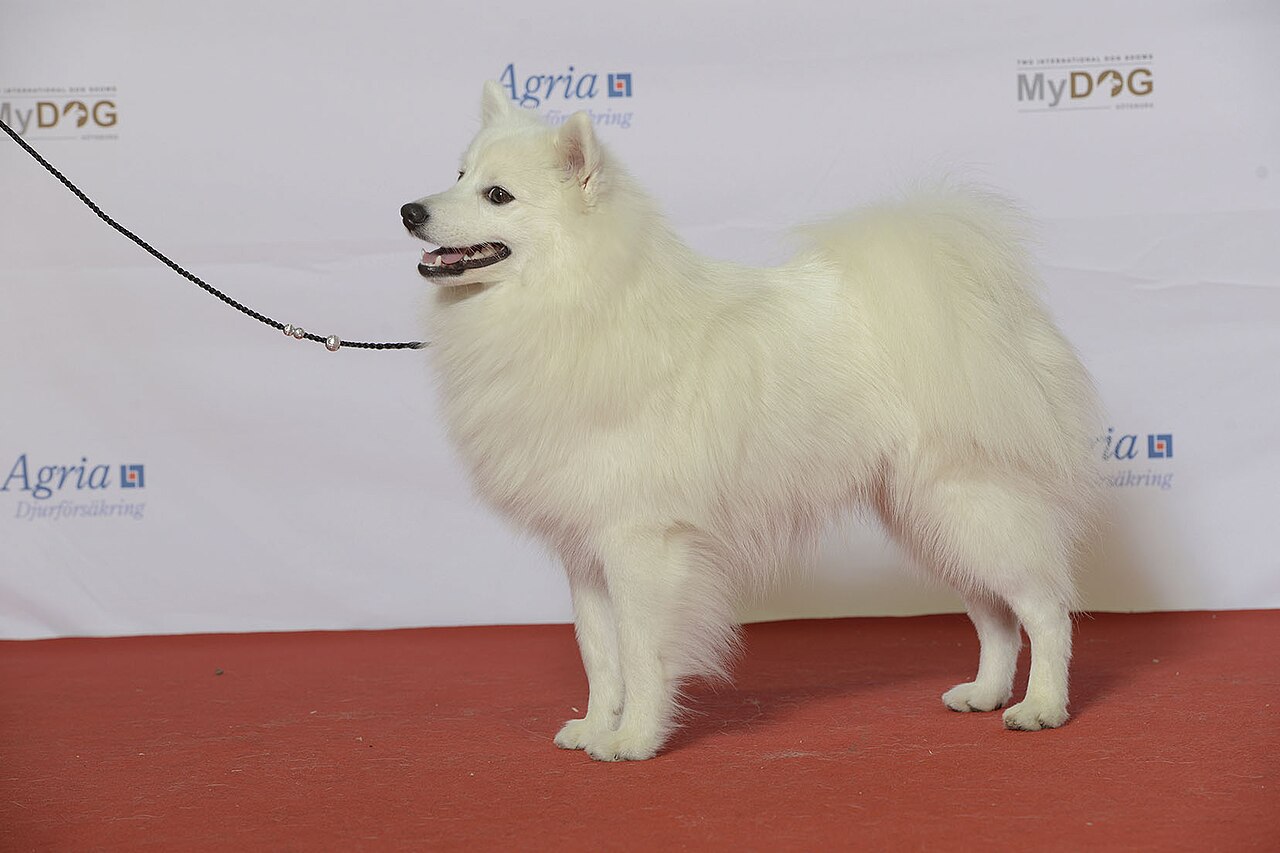
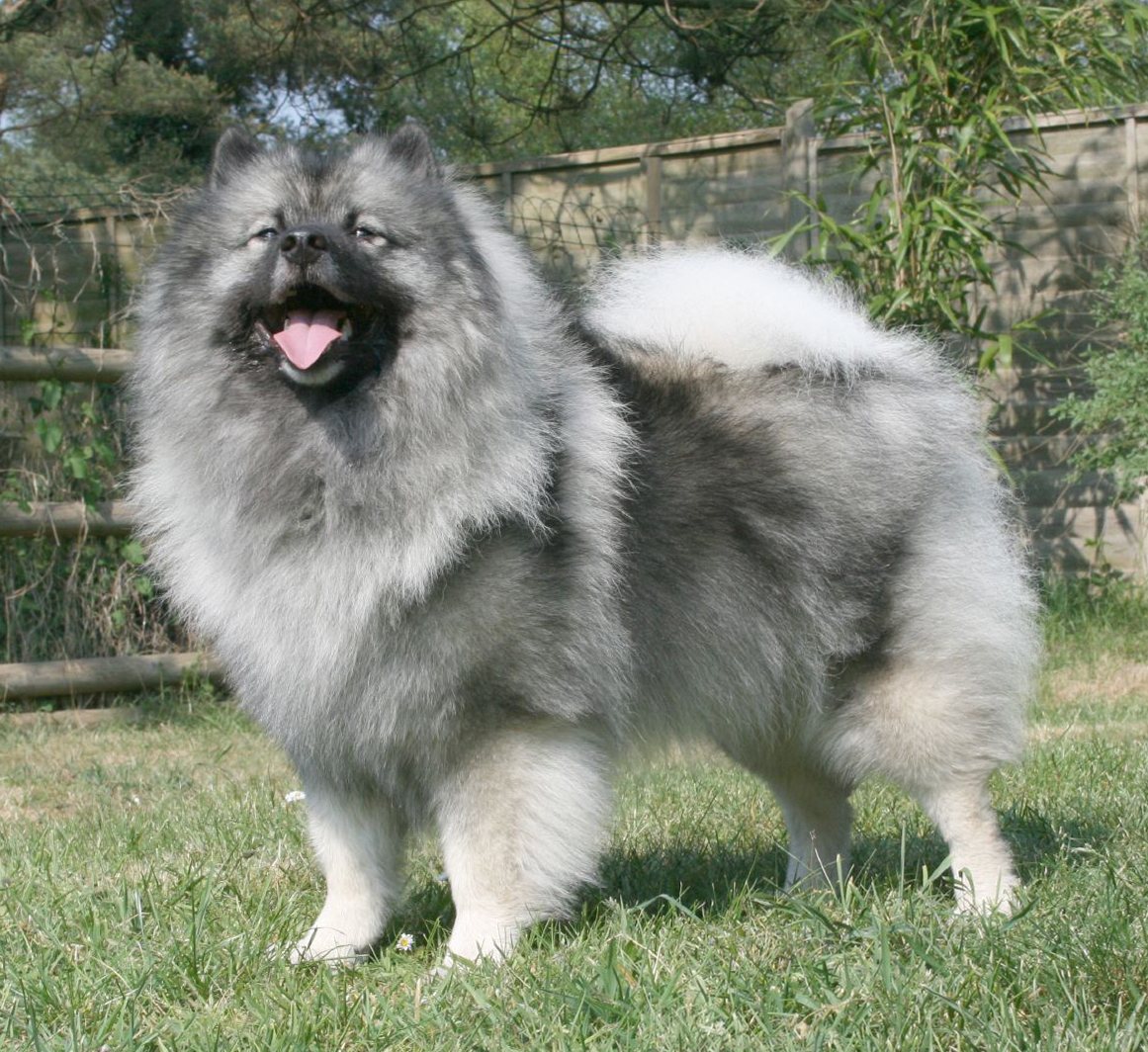
A Klein stands about 23 to 29 cm, with a stand-off double coat, a dense ruff, a foxy face, small prick ears and a tail curled over the back, in any colour. The dog should be compact and squarely built. A stud should carry a genuinely harsh outer coat over a thick undercoat and show a friendly, confident manner; shrillness and nervousness tend to travel together in this family and neither is worth breeding on.
Patella luxation is the condition to ask about first in a spitz of this size, and a formal assessment by a vet, with a date on it, is far more use than an assurance. An eye examination is the second request, since cataract and progressive retinal atrophy are both recorded in the spitz breeds. Ask about teeth, which crowd in small jaws, and about coat loss, which occasionally follows the first adult coat in these dogs.
Health & breeding
We check every hip, elbow, eye and DNA result you give us against the Royal Kennel Club’s public records by hand, and we record who checked it and when. The Royal Kennel Club’s public records may not include all the screening a dog has had, so a dog with no Royal Kennel Club record showing is not necessarily untested.
Breed Right’s summary — under The Royal Kennel Club Health Standard
Health tests for the German Spitz (Klein)
This panel is Breed Right’s summary of the testing that matters for the breed under The Royal Kennel Club Health Standard. The Health Standard is the Royal Kennel Club’s guidance for breeders, not a registration rule. It describes tests to ask about — it is not a report on any individual dog. The Royal Kennel Club’s public records may not include all the screening a dog has had, so a dog with no Royal Kennel Club record showing is not necessarily untested.
Best Practice — further tests it recommends
Completing these as well as the Good Practice tests is what the Royal Kennel Club calls Best Practice.
| Test | Type | Scheme | What’s involved |
|---|---|---|---|
| Eye testing (BVA/KC/ISDS) | Screening scheme | BVA/KC/ISDS | Result printed on the eye certificate. |
Breed hip median
Too few dogs of this breed have been scored (BVA Hip Dysplasia Scheme breed statistics 2025 — 15 years: 4 dogs) to give a meaningful breed median. Source · How hip scores work
At stud now
German Spitz (Klein) stud dogs
No German Spitz (Klein) studs are listed right now
When a German Spitz (Klein) on the Royal Kennel Club Breed Register is listed at stud, it will appear here.
Also available
German Spitz (Klein) litters
No German Spitz (Klein) litters are listed right now
Litters appear here as breeders list them. Check back soon, or browse other breeds.