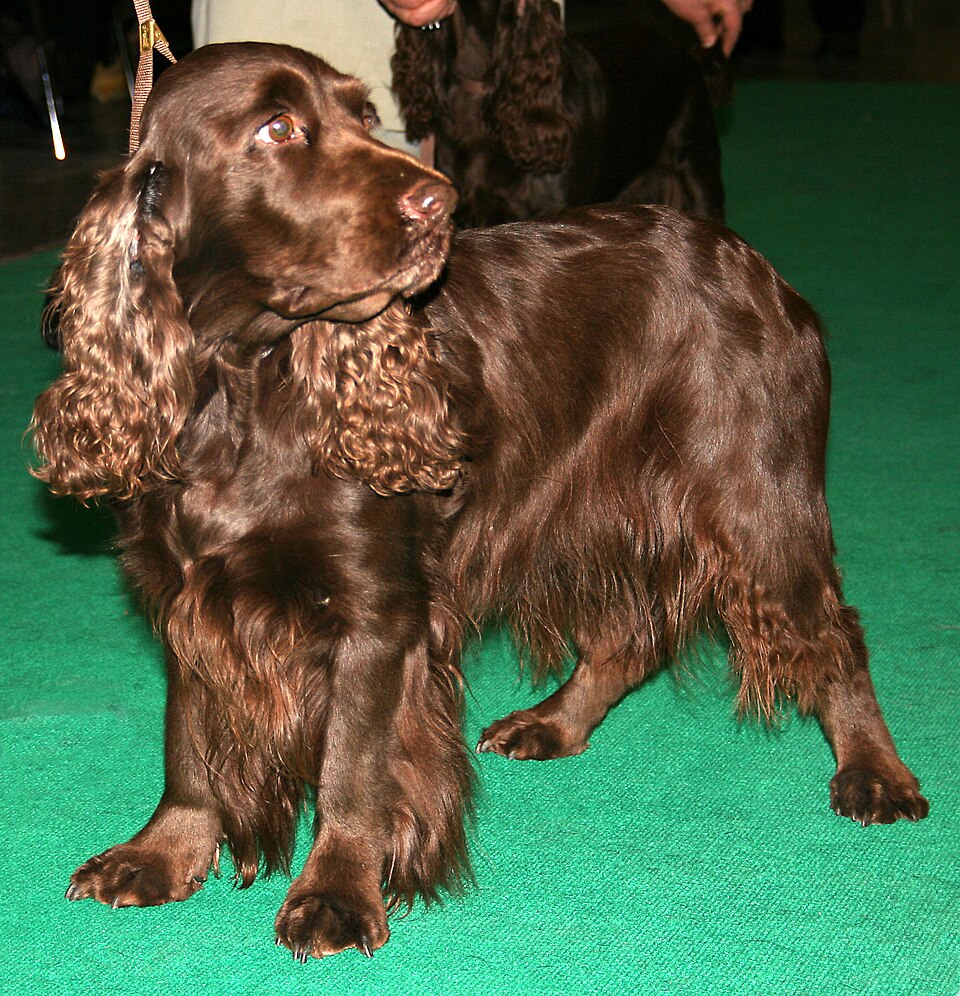
Field Spaniel
The Field Spaniel was nearly bred out of existence twice, first by a Victorian fashion for absurdly long, low dogs and then by the popularity of the Cocker and the Springer. It…
About the Field Spaniel
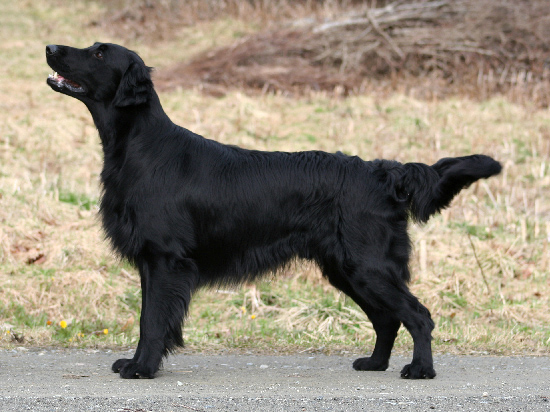
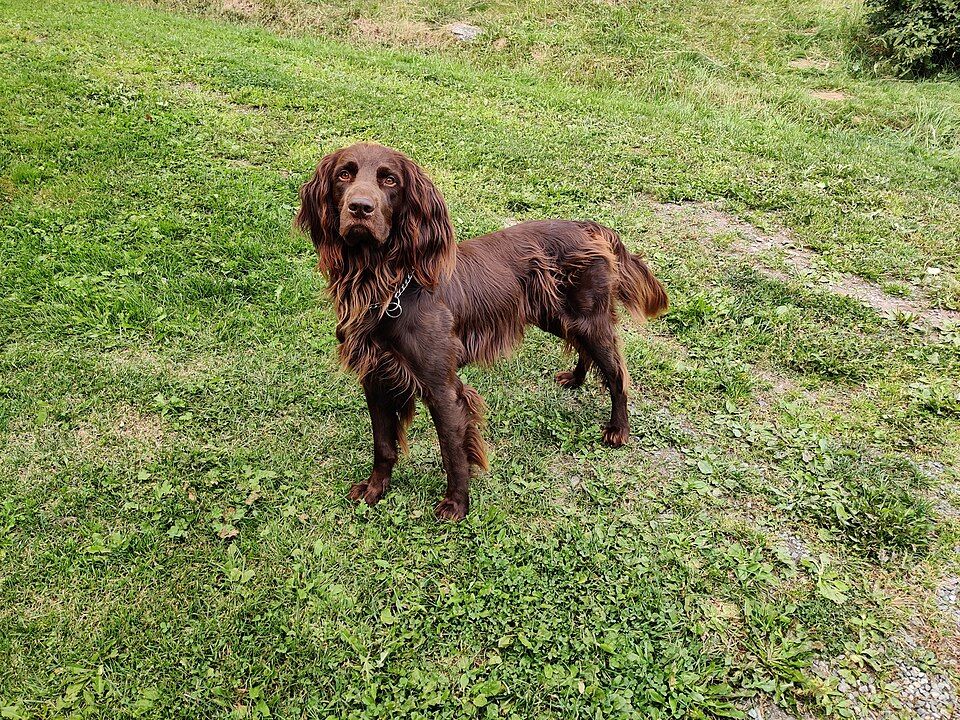
The Field Spaniel was nearly bred out of existence twice, first by a Victorian fashion for absurdly long, low dogs and then by the popularity of the Cocker and the Springer. It survives as a vulnerable native breed with only a few dozen puppies registered in a year, and the modern dog is a moderate, workmanlike spaniel again.
Height is around 46 cm, with a single, glossy, flat coat in black, liver or roan, sometimes with tan markings, and moderate feathering. The breed is more reserved and more sensitive than a Cocker and does not enjoy rough handling. Given how few dogs there are, a Field Spaniel stud is often chosen as much for what it brings to the gene pool as for how it looks.
Ask for hip scores and an annual eye examination, both encouraged by the breed clubs. Hypothyroidism is reported, so a thyroid blood profile is worth requesting. Because the breed is numerically tiny, the most valuable conversation is about pedigree: ask the stud owner to work out the coefficient of inbreeding for the mating you have in mind, and to say honestly whether the dog is already over-represented in the breed.
Health & breeding
We check every hip, elbow, eye and DNA result you give us against the Royal Kennel Club’s public records by hand, and we record who checked it and when. The Royal Kennel Club’s public records may not include all the screening a dog has had, so a dog with no Royal Kennel Club record showing is not necessarily untested.
Breed Right’s summary — under The Royal Kennel Club Health Standard
Health tests for the Field Spaniel
This panel is Breed Right’s summary of the testing that matters for the breed under The Royal Kennel Club Health Standard. The Health Standard is the Royal Kennel Club’s guidance for breeders, not a registration rule. It describes tests to ask about — it is not a report on any individual dog. The Royal Kennel Club’s public records may not include all the screening a dog has had, so a dog with no Royal Kennel Club record showing is not necessarily untested.
Best Practice — further tests it recommends
Completing these as well as the Good Practice tests is what the Royal Kennel Club calls Best Practice.
| Test | Type | Scheme | What’s involved |
|---|---|---|---|
| Hip score (BVA/KC) | Screening scheme | BVA/KC | Total of both hips, 0–106. Lower is better. |
| Elbow grading (BVA/KC) | Screening scheme | BVA/KC | Grade 0–3. The dog is graded on the worse of the two elbows. |
| Eye testing (BVA/KC/ISDS) | Screening scheme | BVA/KC/ISDS | Result printed on the eye certificate. |
Breed hip median
Breed median 9 (BVA Hip Dysplasia Scheme breed statistics 2025 — 5 years, 92 dogs scored). Lower is better. Source · How hip scores work
At stud now
Field Spaniel stud dogs
No Field Spaniel studs are listed right now
When a Field Spaniel on the Royal Kennel Club Breed Register is listed at stud, it will appear here.
Also available
Field Spaniel litters
No Field Spaniel litters are listed right now
Litters appear here as breeders list them. Check back soon, or browse other breeds.