German Longhaired Pointer
The German Longhaired Pointer is the long-coated member of the German pointer family, developed in the nineteenth century from bird dogs and setters to hunt, point and retrieve on…
About the German Longhaired Pointer
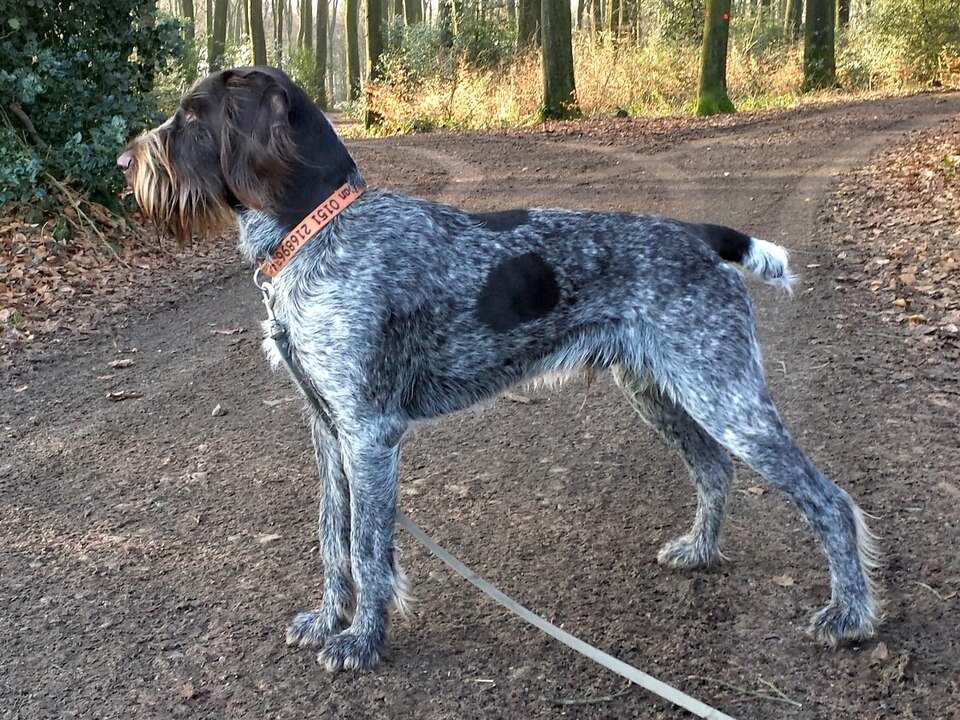
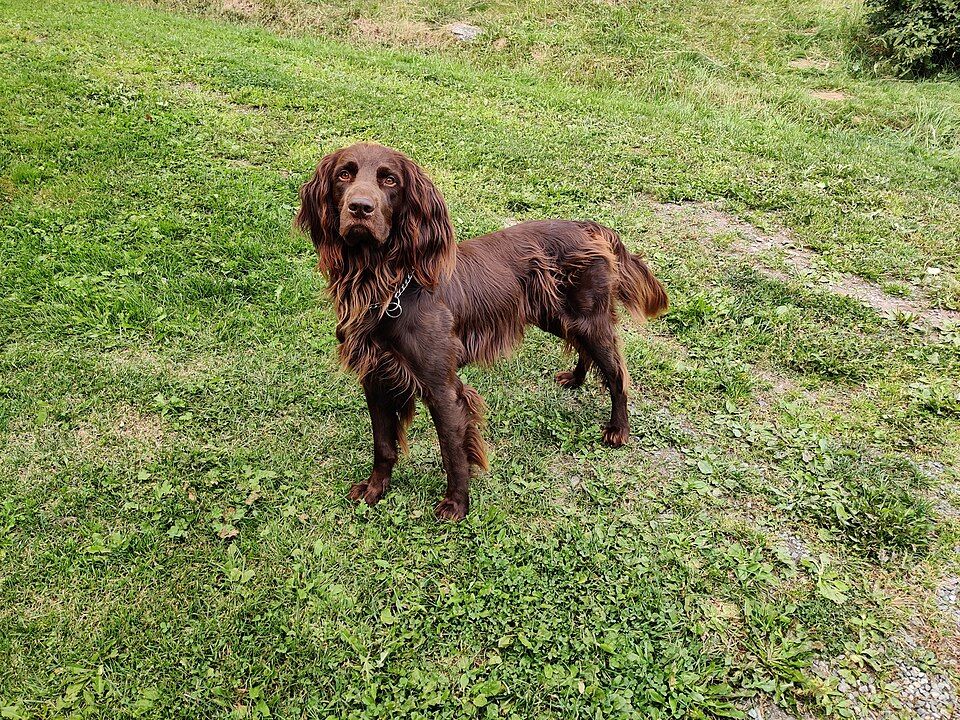
The German Longhaired Pointer is the long-coated member of the German pointer family, developed in the nineteenth century from bird dogs and setters to hunt, point and retrieve on land and in water. It works closer to the gun than its wirehaired and shorthaired relatives, and it is known for wanting to stay in contact with its handler.
The coat is firm and flat, feathered on legs, ears and tail, solid brown or brown and white in a range of roan and ticked patterns, and dogs stand 60 to 70 cm. This is a large, substantial gundog with a kind head and a long ear. Very few are registered here, so a stud is likely to be an import or one generation from one, and its pedigree deserves to be read properly.
Hip and elbow scores under the BVA/KC schemes and a current eye certificate are the practical requests. Continental breeding rules for the breed are stricter than British ones about working qualifications as well as health, so ask whether the dog has passed any hunting tests and what its German or Dutch paperwork actually says. Questions about epilepsy, and about how long the previous two generations lived, round the enquiry off.
Health & breeding
We check every hip, elbow, eye and DNA result you give us against the Royal Kennel Club’s public records by hand, and we record who checked it and when. The Royal Kennel Club’s public records may not include all the screening a dog has had, so a dog with no Royal Kennel Club record showing is not necessarily untested.
Breed Right’s summary — under The Royal Kennel Club Health Standard
Health tests for the German Longhaired Pointer
This panel is Breed Right’s summary of the testing that matters for the breed under The Royal Kennel Club Health Standard. The Health Standard is the Royal Kennel Club’s guidance for breeders, not a registration rule. It describes tests to ask about — it is not a report on any individual dog. The Royal Kennel Club’s public records may not include all the screening a dog has had, so a dog with no Royal Kennel Club record showing is not necessarily untested.
Best Practice — further tests it recommends
Completing these as well as the Good Practice tests is what the Royal Kennel Club calls Best Practice.
| Test | Type | Scheme | What’s involved |
|---|---|---|---|
| Hip score (BVA/KC) | Screening scheme | BVA/KC | Total of both hips, 0–106. Lower is better. |
| Eye testing (BVA/KC/ISDS) | Screening scheme | BVA/KC/ISDS | Result printed on the eye certificate. |
Breed hip median
Breed median 7 (BVA Hip Dysplasia Scheme breed statistics 2025 — 5 years, 17 dogs scored — indicative only, from a small sample). Lower is better. Source · How hip scores work
At stud now
German Longhaired Pointer stud dogs
No German Longhaired Pointer studs are listed right now
When a German Longhaired Pointer on the Royal Kennel Club Breed Register is listed at stud, it will appear here.
Also available
German Longhaired Pointer litters
No German Longhaired Pointer litters are listed right now
Litters appear here as breeders list them. Check back soon, or browse other breeds.