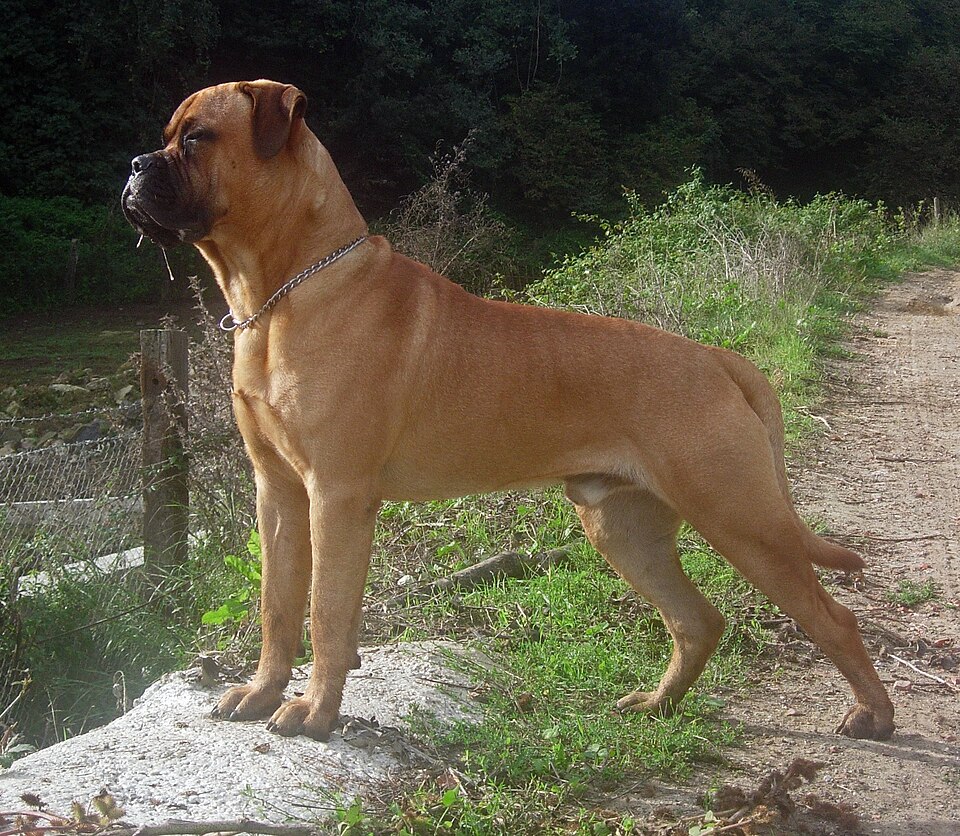
Bullmastiff
The Bullmastiff was developed by English gamekeepers in the nineteenth century, crossing Mastiff with Bulldog to produce a dog fast enough to catch a poacher and controlled enough…
About the Bullmastiff
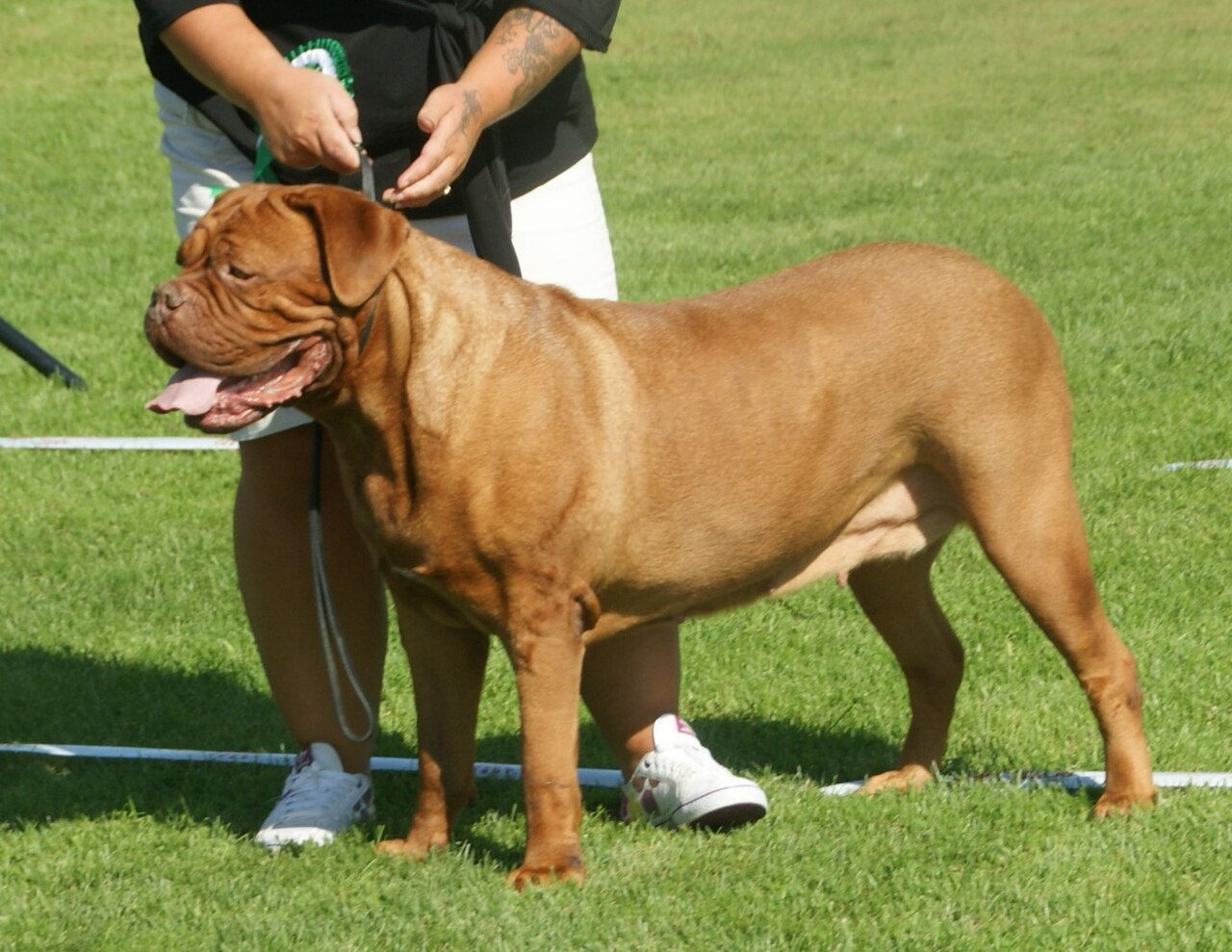
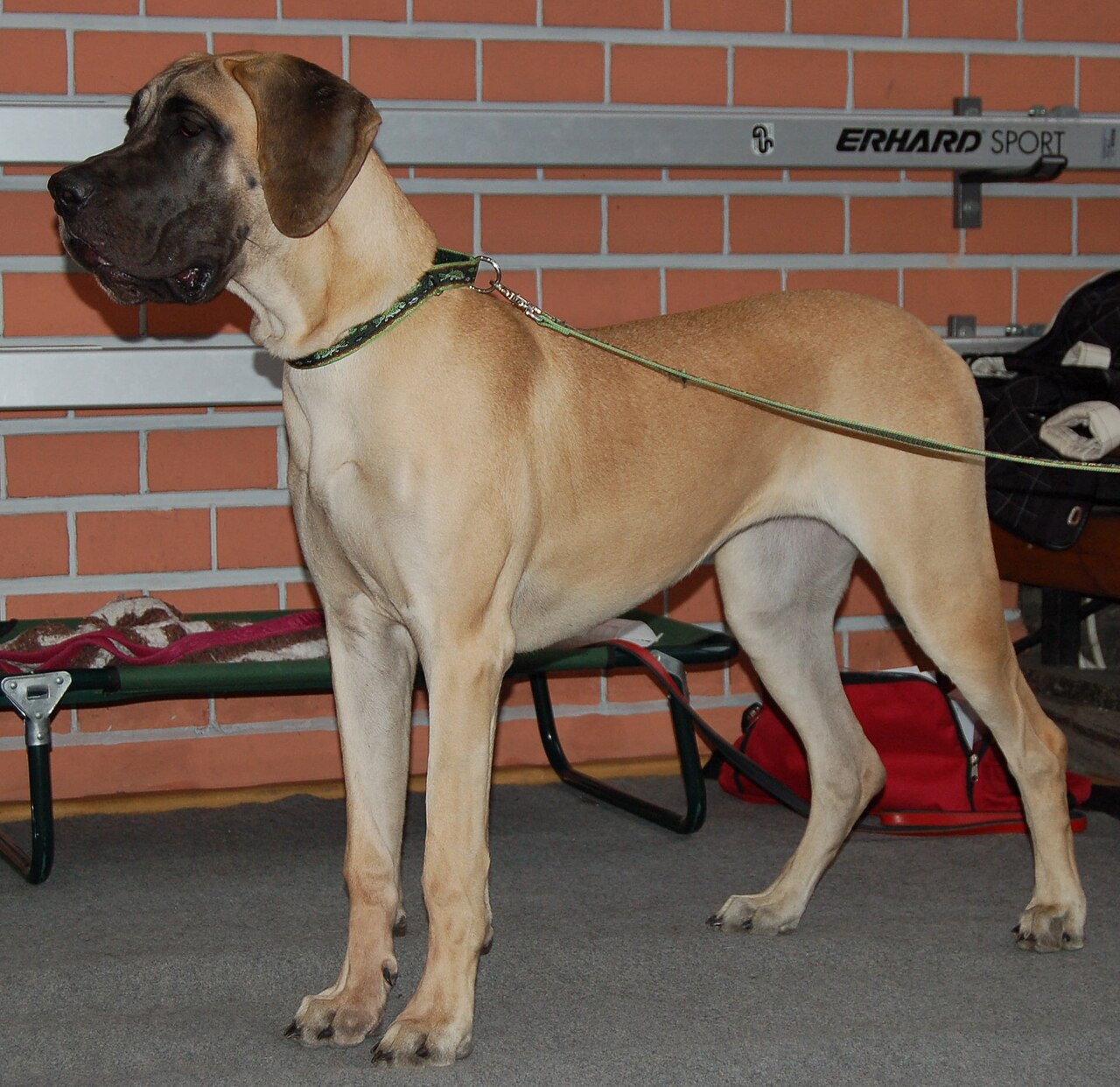
The Bullmastiff was developed by English gamekeepers in the nineteenth century, crossing Mastiff with Bulldog to produce a dog fast enough to catch a poacher and controlled enough to pin him without mauling him. The gamekeeper's night dog is quiet, watchful and far less inclined to bark than most guarding breeds.
Dogs stand about 64 to 69 cm and weigh 50 to 59 kg, in fawn, red or brindle with a black mask. The breed is powerful and needs early socialisation and consistent handling; a stud with a calm, biddable temperament and no sharpness is essential, because a Bullmastiff that decides for itself is very hard to overrule. The muzzle is short and heat is a real risk.
Ask a Bullmastiff stud owner for hip and elbow scores and a current eye certificate, since entropion occurs in the breed. The DNA test for degenerative myelopathy is used in the breed and a stud owner should know the result. Ask about lymphoma and other cancers in the line, about bloat, and about how the dog copes in warm weather, which is a fair proxy for the soundness of its breathing.
Health & breeding
We check every hip, elbow, eye and DNA result you give us against the Royal Kennel Club’s public records by hand, and we record who checked it and when. The Royal Kennel Club’s public records may not include all the screening a dog has had, so a dog with no Royal Kennel Club record showing is not necessarily untested.
Breed Right’s summary — under The Royal Kennel Club Health Standard
Health tests for the Bullmastiff
This panel is Breed Right’s summary of the testing that matters for the breed under The Royal Kennel Club Health Standard. The Health Standard is the Royal Kennel Club’s guidance for breeders, not a registration rule. It describes tests to ask about — it is not a report on any individual dog. The Royal Kennel Club’s public records may not include all the screening a dog has had, so a dog with no Royal Kennel Club record showing is not necessarily untested.
Good Practice — the Royal Kennel Club’s minimum before breeding
The tests the Royal Kennel Club says breeders should, at a minimum, complete before breeding.
| Test | Type | Scheme | What’s involved |
|---|---|---|---|
| Hip score (BVA/KC) | Screening scheme | BVA/KC | Total of both hips, 0–106. Lower is better. |
| Elbow grading (BVA/KC) | Screening scheme | BVA/KC | Grade 0–3. The dog is graded on the worse of the two elbows. |
| Eye testing (BVA/KC/ISDS) | Screening scheme | BVA/KC/ISDS | Result printed on the eye certificate. |
Breed hip median
Breed median 12 (BVA Hip Dysplasia Scheme breed statistics 2025 — 5 years, 147 dogs scored). Lower is better. Source · How hip scores work
At stud now
Bullmastiff stud dogs
No Bullmastiff studs are listed right now
When a Bullmastiff on the Royal Kennel Club Breed Register is listed at stud, it will appear here.
Also available
Bullmastiff litters
No Bullmastiff litters are listed right now
Litters appear here as breeders list them. Check back soon, or browse other breeds.