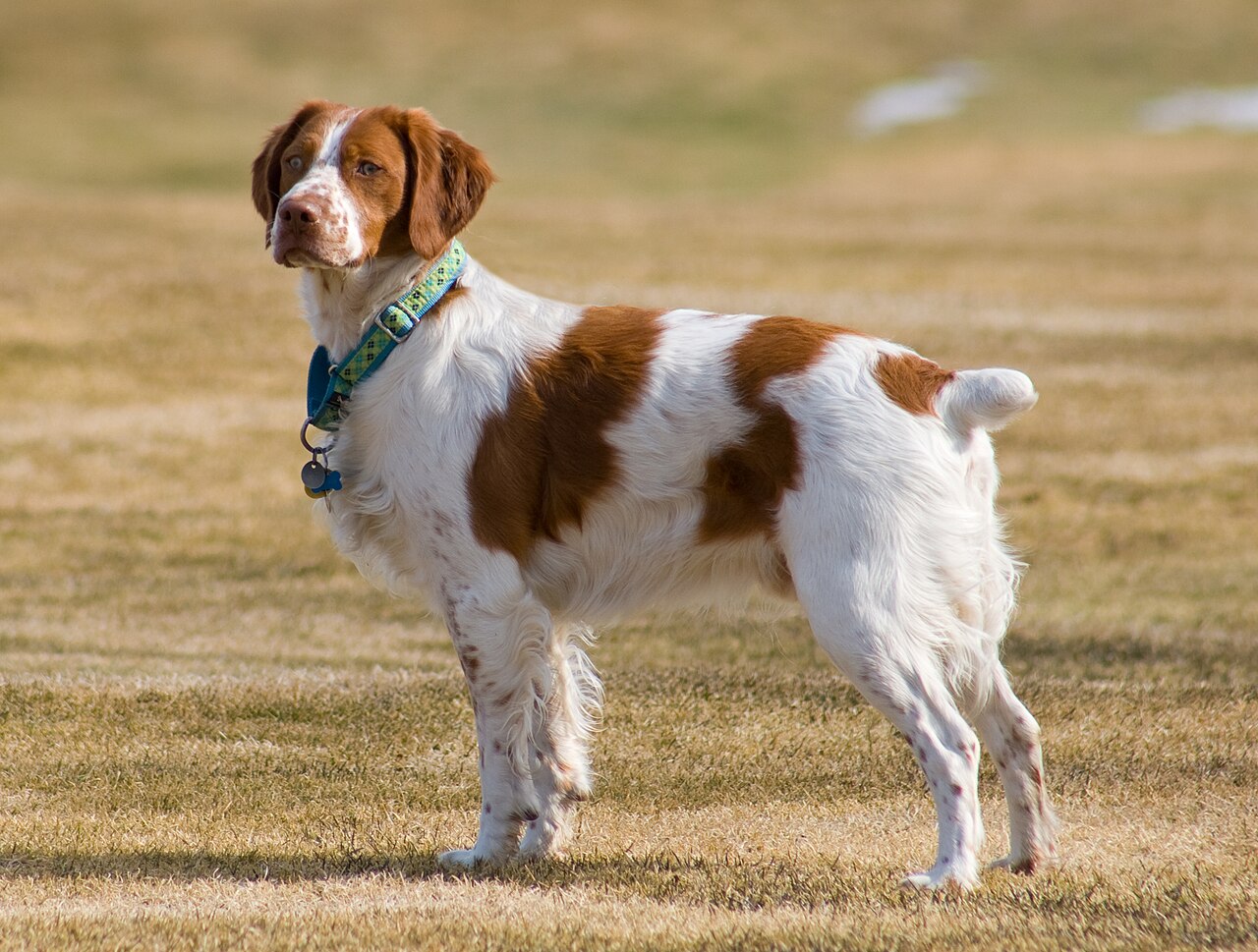
Brittany
The Brittany takes its name and its shape from the north-west corner of France, where it was bred as a pointing dog for a walking shooter rather than a mounted one, and it is the…
About the Brittany
The Brittany takes its name and its shape from the north-west corner of France, where it was bred as a pointing dog for a walking shooter rather than a mounted one, and it is the smallest of the European hunt, point and retrieve breeds. Some puppies arrive with a naturally short tail, which is a normal feature of the breed rather than a fault.
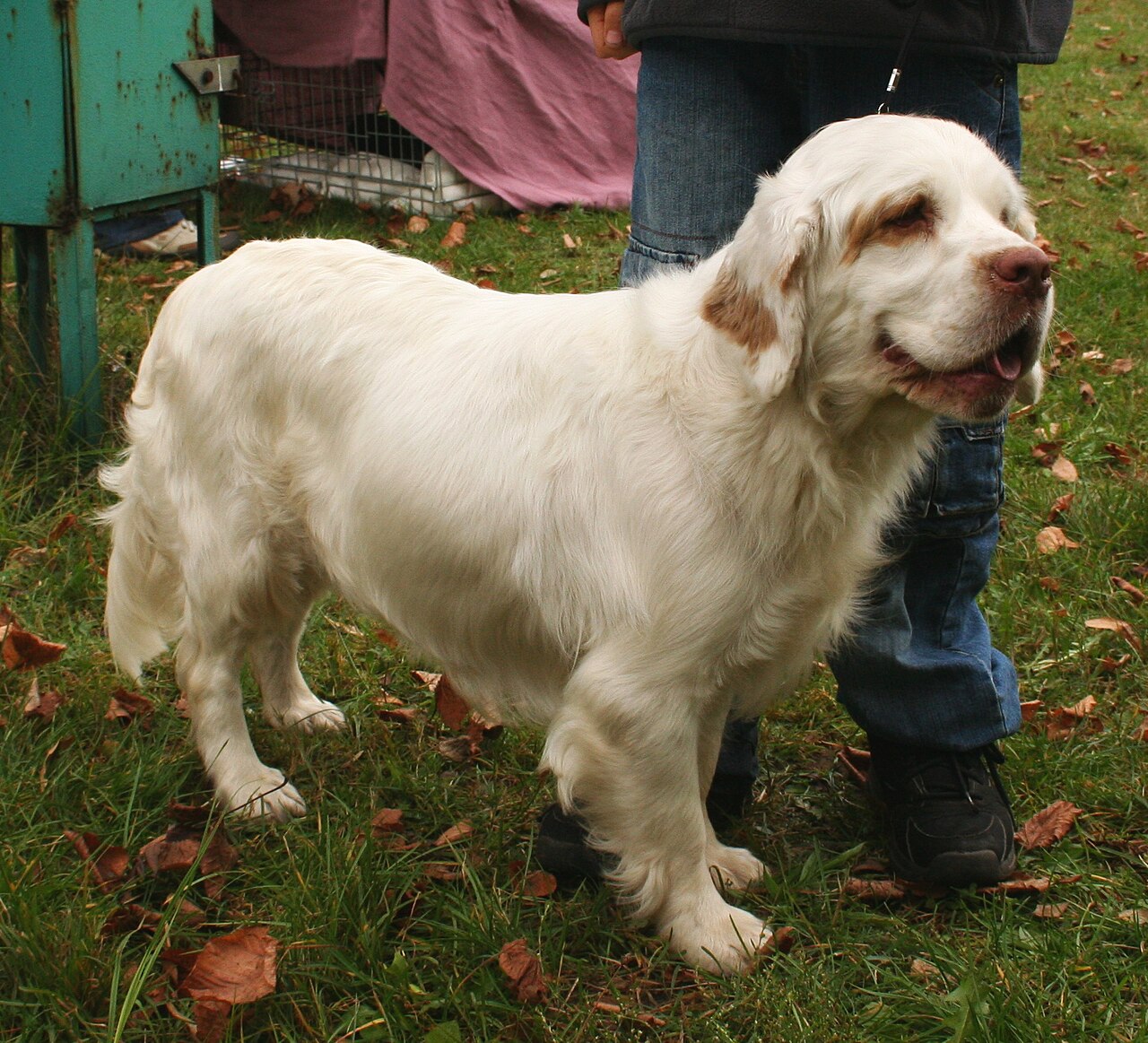
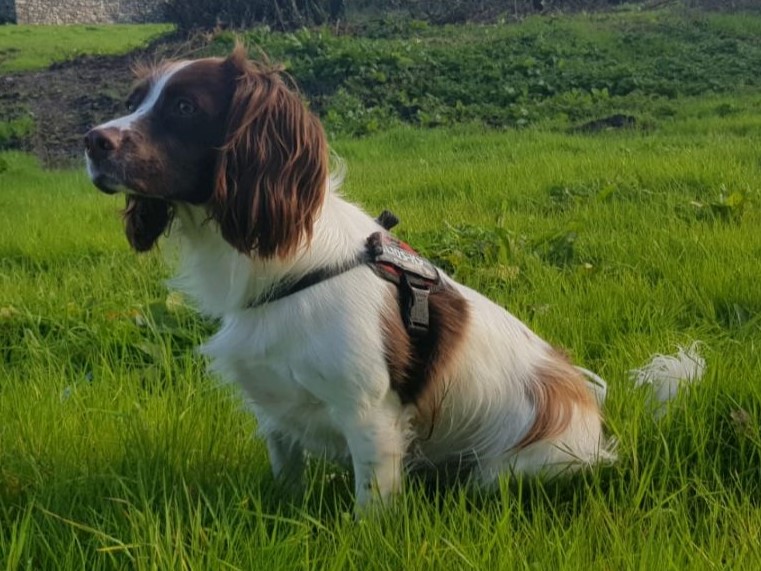
Dogs stand about 47 to 52 cm and are square in outline, with a flat or slightly wavy coat, moderate feathering, and colouring in orange and white or liver and white, often roan. The breed is lighter and faster to train than most HPR dogs and suits a first-time gundog household better than most. A Brittany stud should be bold and outgoing, because shyness has been a known fault in some lines and is stubbornly hard to breed out.
Hip scoring is the screening that carries most weight here, and a stud owner should quote the dog's actual score rather than say it was done. Add a current eye certificate. Epilepsy is reported in the breed and there is no test for it, so ask directly whether any close relative has fitted. Ask as well what DNA testing the breed club advises, since recommendations differ between the French and American populations that British dogs descend from.
Health & breeding
We check every hip, elbow, eye and DNA result you give us against the Royal Kennel Club’s public records by hand, and we record who checked it and when. The Royal Kennel Club’s public records may not include all the screening a dog has had, so a dog with no Royal Kennel Club record showing is not necessarily untested.
Breed Right’s summary — under The Royal Kennel Club Health Standard
Health tests for the Brittany
This panel is Breed Right’s summary of the testing that matters for the breed under The Royal Kennel Club Health Standard. The Health Standard is the Royal Kennel Club’s guidance for breeders, not a registration rule. It describes tests to ask about — it is not a report on any individual dog. The Royal Kennel Club’s public records may not include all the screening a dog has had, so a dog with no Royal Kennel Club record showing is not necessarily untested.
Best Practice — further tests it recommends
Completing these as well as the Good Practice tests is what the Royal Kennel Club calls Best Practice.
| Test | Type | Scheme | What’s involved |
|---|---|---|---|
| Hip score (BVA/KC) | Screening scheme | BVA/KC | Total of both hips, 0–106. Lower is better. |
Breed hip median
Breed median 12 (BVA Hip Dysplasia Scheme breed statistics 2025 — 5 years, 69 dogs scored). Lower is better. Source · How hip scores work
At stud now
Brittany stud dogs
No Brittany studs are listed right now
When a Brittany on the Royal Kennel Club Breed Register is listed at stud, it will appear here.
Also available
Brittany litters
No Brittany litters are listed right now
Litters appear here as breeders list them. Check back soon, or browse other breeds.