Lagotto Romagnolo
The Lagotto Romagnolo began as a water retriever in the marshes of Romagna and reinvented itself when those marshes were drained, becoming the only breed in the world recognised…
About the Lagotto Romagnolo
The Lagotto Romagnolo began as a water retriever in the marshes of Romagna and reinvented itself when those marshes were drained, becoming the only breed in the world recognised specifically for finding truffles. That change of career explains why a Lagotto searches with such single-minded pleasure, and why the nose comes before everything else.
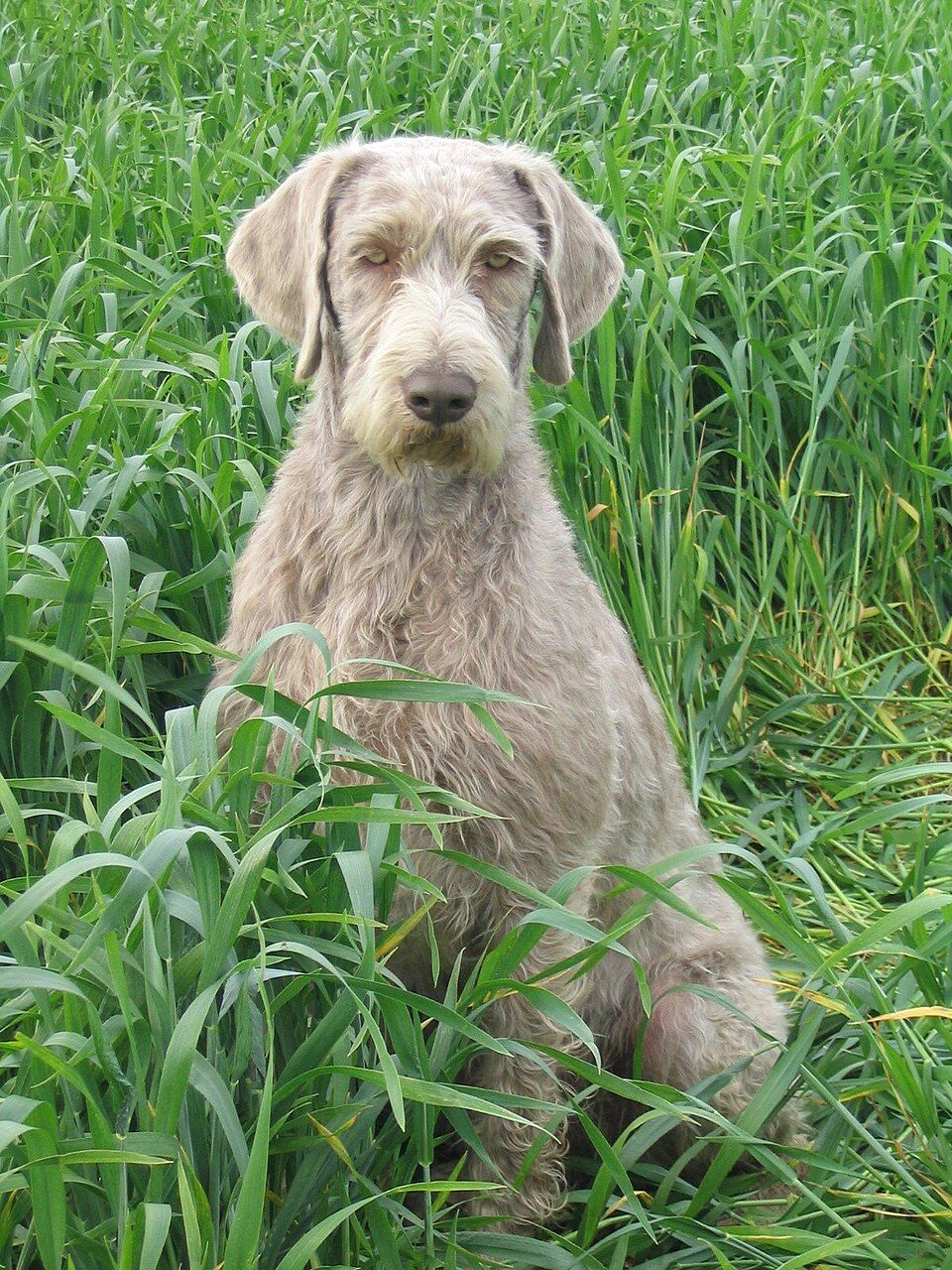
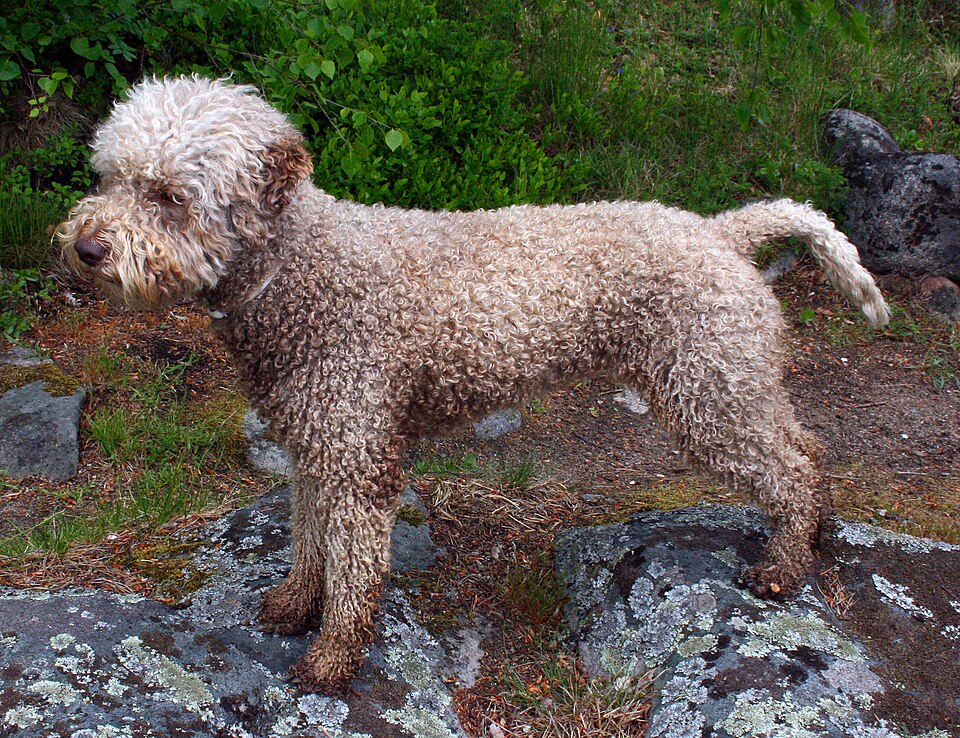
Its coat is a dense, woolly, ring-shaped curl over the whole body, beard and eyebrows included, and it needs clipping down two or three times a year rather than brushing out. Dogs stand 43 to 48 cm, in off-white, white with brown or orange patches, brown roan, or solid brown, sometimes with a mask. A stud should carry a genuinely curled, low-shedding coat, since straight and open coats have crept in alongside the breed's popularity.
Two DNA tests define screening here. One covers benign familial juvenile epilepsy, which causes fits in puppies that most grow out of, and the other the Lagotto storage disease, a fatal neurological condition; a stud owner should produce both. Hip and elbow scores and an eye certificate complete the picture, and it is worth asking whether the dog itself has ever had a seizure at any age.
Health & breeding
We check every hip, elbow, eye and DNA result you give us against the Royal Kennel Club’s public records by hand, and we record who checked it and when. The Royal Kennel Club’s public records may not include all the screening a dog has had, so a dog with no Royal Kennel Club record showing is not necessarily untested.
Breed Right’s summary — under The Royal Kennel Club Health Standard
Health tests for the Lagotto Romagnolo
This panel is Breed Right’s summary of the testing that matters for the breed under The Royal Kennel Club Health Standard. The Health Standard is the Royal Kennel Club’s guidance for breeders, not a registration rule. It describes tests to ask about — it is not a report on any individual dog. The Royal Kennel Club’s public records may not include all the screening a dog has had, so a dog with no Royal Kennel Club record showing is not necessarily untested.
Good Practice — the Royal Kennel Club’s minimum before breeding
The tests the Royal Kennel Club says breeders should, at a minimum, complete before breeding.
| Test | Type | Scheme | What’s involved |
|---|---|---|---|
| DNA test — JE (Juvenile Epilepsy, Lagotto Romagnolo) | DNA test | Laboratory | The result printed on the laboratory certificate. |
| DNA test — LSD (Lysosomal Storage Disease, Lagotto Romagnolo) | DNA test | Laboratory | The result printed on the laboratory certificate. |
Best Practice — further tests it recommends
Completing these as well as the Good Practice tests is what the Royal Kennel Club calls Best Practice.
| Test | Type | Scheme | What’s involved |
|---|---|---|---|
| Hip score (BVA/KC) | Screening scheme | BVA/KC | Total of both hips, 0–106. Lower is better. |
| Elbow grading (BVA/KC) | Screening scheme | BVA/KC | Grade 0–3. The dog is graded on the worse of the two elbows. |
| Eye testing (BVA/KC/ISDS) | Screening scheme | BVA/KC/ISDS | Result printed on the eye certificate. |
Breed hip median
Breed median 12 (BVA Hip Dysplasia Scheme breed statistics 2025 — 5 years, 155 dogs scored). Lower is better. Source · How hip scores work
At stud now
Lagotto Romagnolo stud dogs
No Lagotto Romagnolo studs are listed right now
When a Lagotto Romagnolo on the Royal Kennel Club Breed Register is listed at stud, it will appear here.
Also available
Lagotto Romagnolo litters
No Lagotto Romagnolo litters are listed right now
Litters appear here as breeders list them. Check back soon, or browse other breeds.