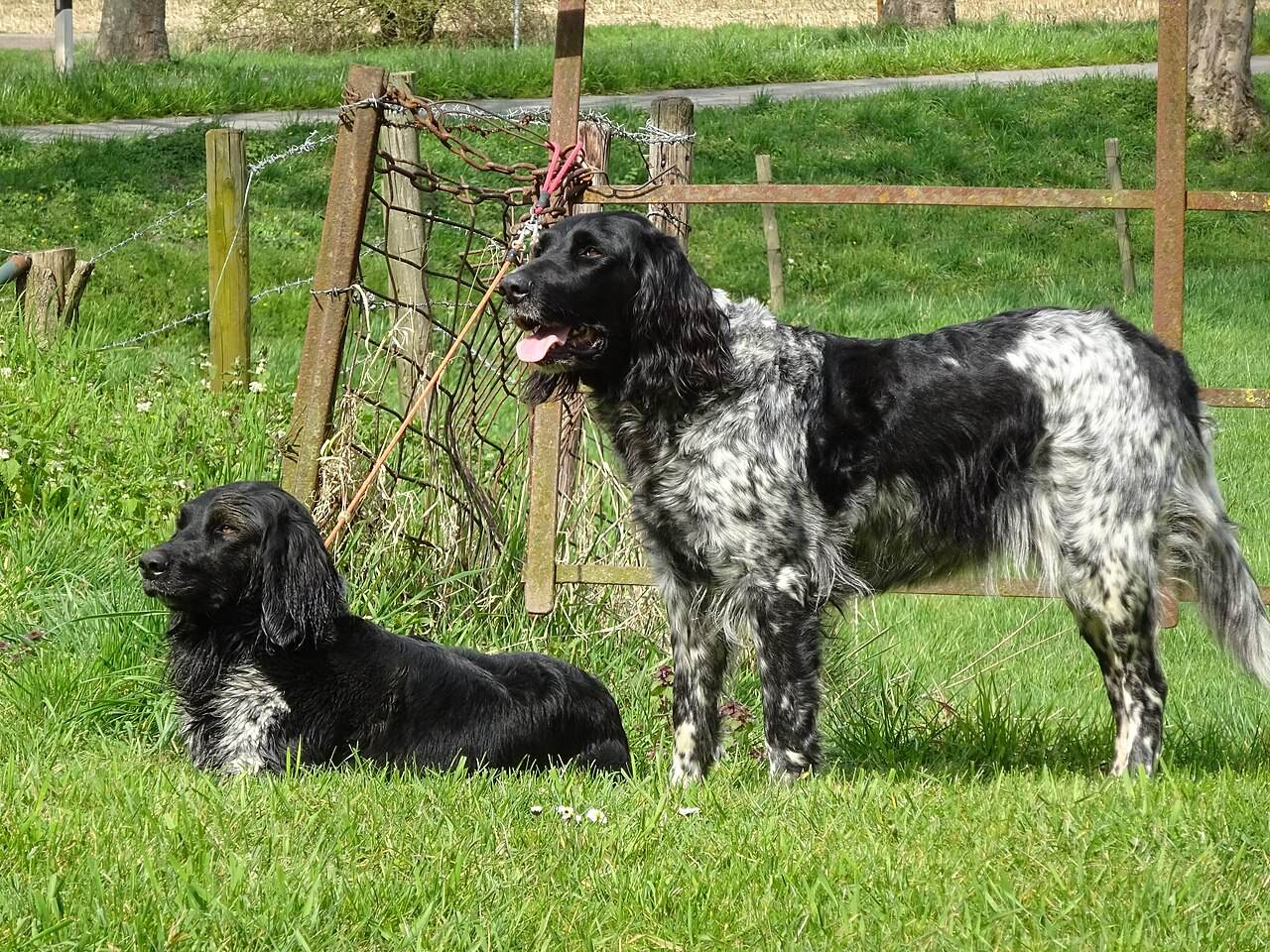
Large Munsterlander
The Large Munsterlander is a hunt, point and retrieve breed from the Munster region of Germany, separated formally from the German Longhaired Pointer in 1919, when black and white…
About the Large Munsterlander
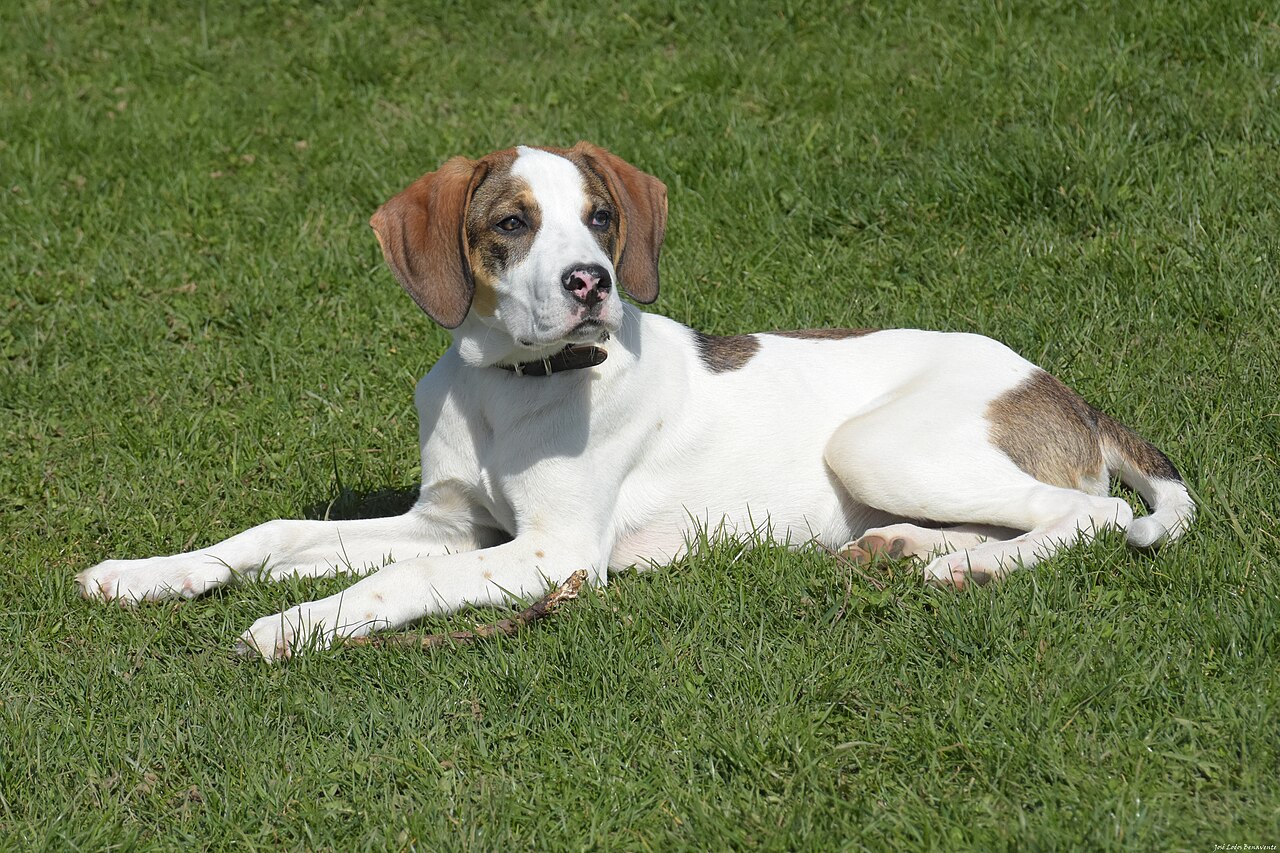
The Large Munsterlander is a hunt, point and retrieve breed from the Munster region of Germany, separated formally from the German Longhaired Pointer in 1919, when black and white puppies were excluded from that standard and enthusiasts founded a register of their own. It is one of the most versatile shooting dogs available in Britain today.
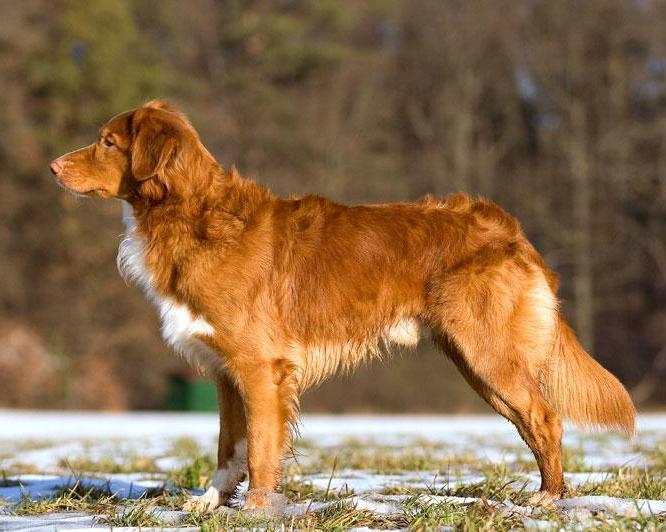
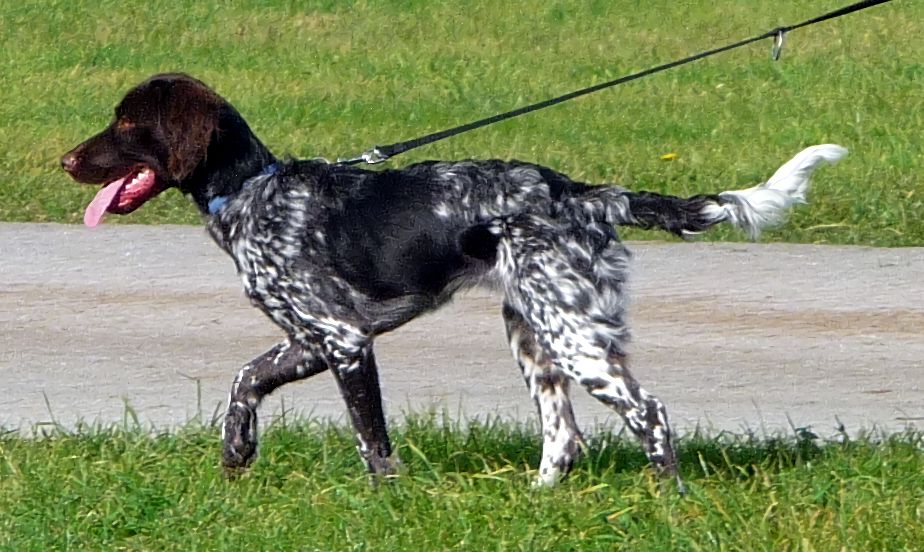
Its coat is long, dense and flat with feathering on legs and tail, black and white or blue roan with a solid black head, and dogs stand 60 to 65 cm. The breed is calm indoors and tireless outdoors, and more biddable than most continental HPRs. A stud should have a settled, sociable nature and be able to demonstrate real work, since the British clubs place proper weight on ability alongside looks.
Hip scores and a current eye certificate are the baseline here, with elbow scores added where the dog has been through that scheme. There is no long DNA panel behind this breed, so the questions that add value concern the family: whether any relative has fitted, how long the previous generations lived, and what has come of any litters the dog has already sired. The coefficient of inbreeding is worth asking about too.
Health & breeding
We check every hip, elbow, eye and DNA result you give us against the Royal Kennel Club’s public records by hand, and we record who checked it and when. The Royal Kennel Club’s public records may not include all the screening a dog has had, so a dog with no Royal Kennel Club record showing is not necessarily untested.
Breed Right’s summary — under The Royal Kennel Club Health Standard
Health tests for the Large Munsterlander
This panel is Breed Right’s summary of the testing that matters for the breed under The Royal Kennel Club Health Standard. The Health Standard is the Royal Kennel Club’s guidance for breeders, not a registration rule. It describes tests to ask about — it is not a report on any individual dog. The Royal Kennel Club’s public records may not include all the screening a dog has had, so a dog with no Royal Kennel Club record showing is not necessarily untested.
Good Practice — the Royal Kennel Club’s minimum before breeding
The tests the Royal Kennel Club says breeders should, at a minimum, complete before breeding.
| Test | Type | Scheme | What’s involved |
|---|---|---|---|
| Hip score (BVA/KC) | Screening scheme | BVA/KC | Total of both hips, 0–106. Lower is better. |
| Elbow grading (BVA/KC) | Screening scheme | BVA/KC | Grade 0–3. The dog is graded on the worse of the two elbows. |
Best Practice — further tests it recommends
Completing these as well as the Good Practice tests is what the Royal Kennel Club calls Best Practice.
| Test | Type | Scheme | What’s involved |
|---|---|---|---|
| DNA test — HUU (Hyperuricosuria) | DNA test | Laboratory | The result printed on the laboratory certificate. |
| Eye testing (BVA/KC/ISDS) | Screening scheme | BVA/KC/ISDS | Result printed on the eye certificate. |
Breed hip median
Breed median 7 (BVA Hip Dysplasia Scheme breed statistics 2025 — 5 years, 91 dogs scored). Lower is better. Source · How hip scores work
At stud now
Large Munsterlander stud dogs
No Large Munsterlander studs are listed right now
When a Large Munsterlander on the Royal Kennel Club Breed Register is listed at stud, it will appear here.
Also available
Large Munsterlander litters
No Large Munsterlander litters are listed right now
Litters appear here as breeders list them. Check back soon, or browse other breeds.