Irish Water Spaniel
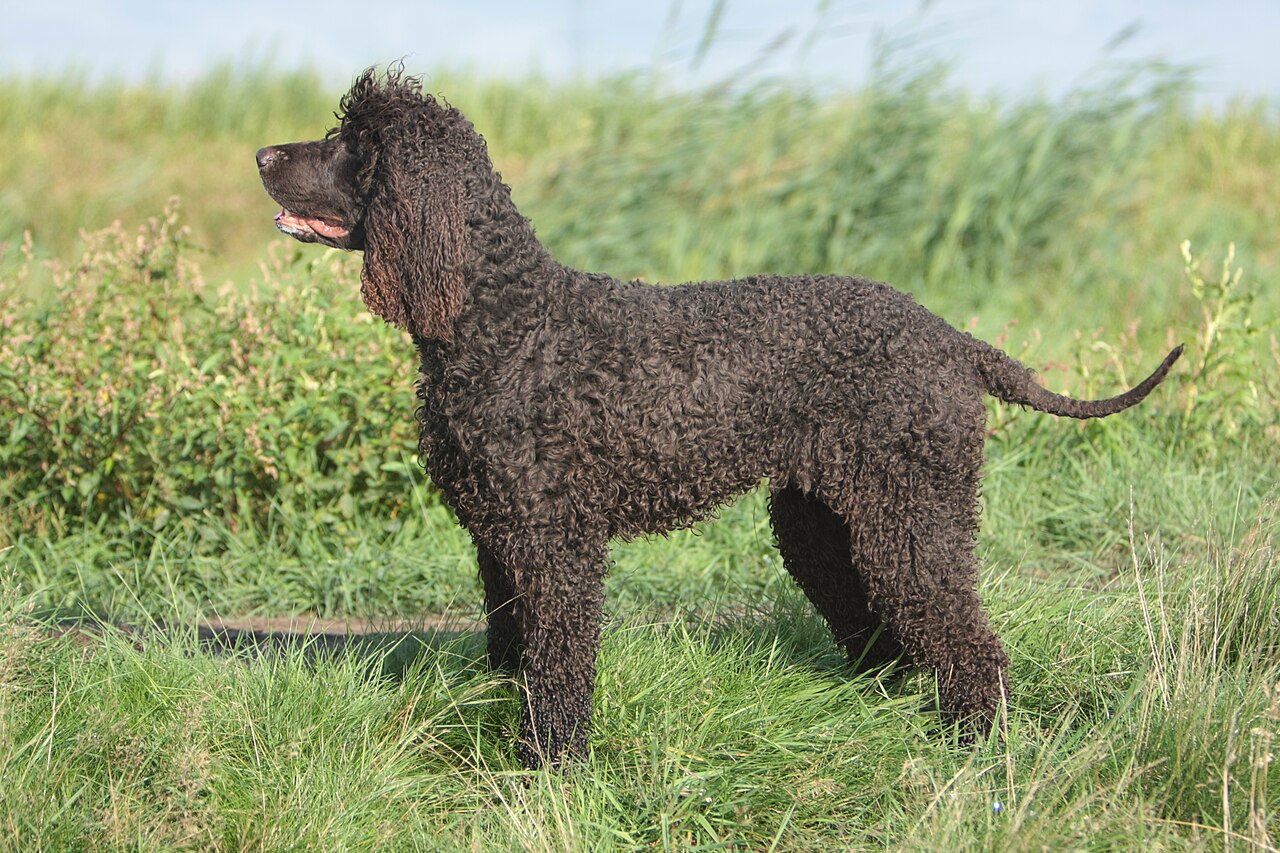
The Irish Water Spaniel is the tallest of the spaniels and one of the most distinctive dogs in any ring, with a coat of dense liver ringlets, a peaked topknot, and a smooth…
About the Irish Water Spaniel
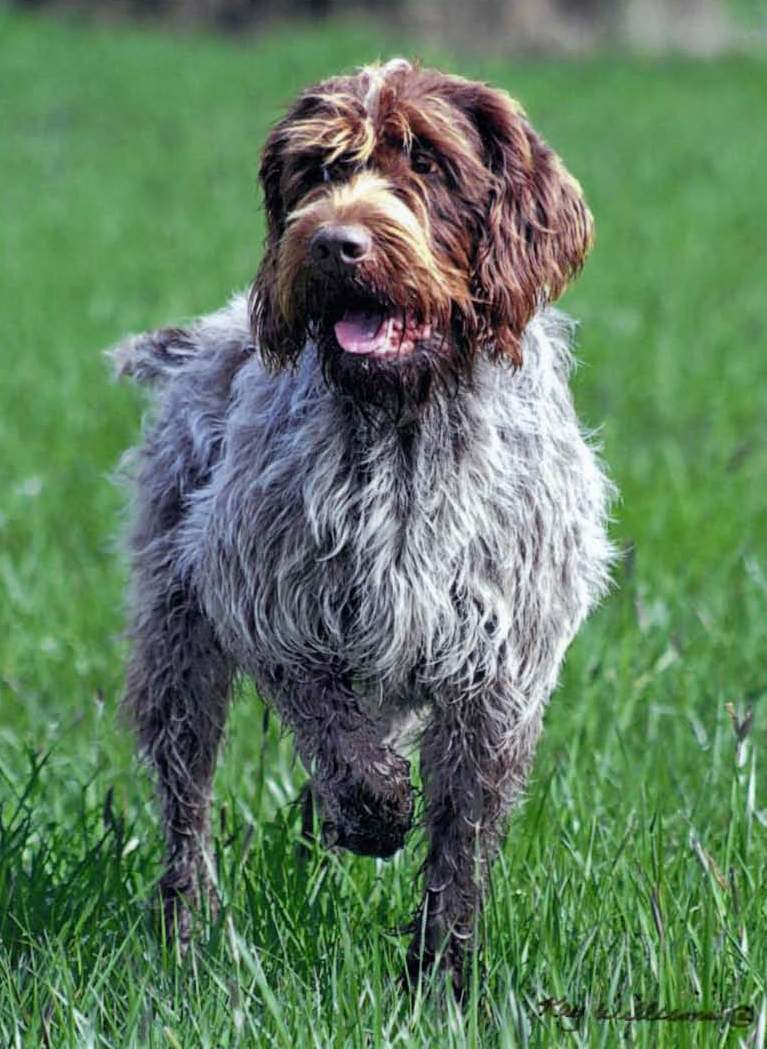
The Irish Water Spaniel is the tallest of the spaniels and one of the most distinctive dogs in any ring, with a coat of dense liver ringlets, a peaked topknot, and a smooth, tapering rat tail found in no other breed. Its type was fixed in Dublin in the middle of the nineteenth century, and it was built to retrieve wildfowl from cold, rough water.
Dogs stand 53 to 59 cm, in a solid rich liver with the purplish cast the breed calls puce. The coat carries natural oils and needs regular work to keep the curl open and free of mats. This is a thinking dog rather than an obedient one, quick to invent its own games, and a stud with a sound, outgoing temperament and no shyness is what a litter needs behind it.
Hip and elbow scores and an annual eye examination are the routine requests. The breed is small in number and its gene pool narrow, so treat the coefficient of inbreeding as seriously as any certificate. Ask too whether the stud has ever reacted badly to a drug or an anaesthetic, since the breed has a reputation among vets for sensitivity, and ask about coat and follicle problems, which appear in some lines.
Health & breeding
We check every hip, elbow, eye and DNA result you give us against the Royal Kennel Club’s public records by hand, and we record who checked it and when. The Royal Kennel Club’s public records may not include all the screening a dog has had, so a dog with no Royal Kennel Club record showing is not necessarily untested.
Breed Right’s summary — under The Royal Kennel Club Health Standard
Health tests for the Irish Water Spaniel
This panel is Breed Right’s summary of the testing that matters for the breed under The Royal Kennel Club Health Standard. The Health Standard is the Royal Kennel Club’s guidance for breeders, not a registration rule. It describes tests to ask about — it is not a report on any individual dog. The Royal Kennel Club’s public records may not include all the screening a dog has had, so a dog with no Royal Kennel Club record showing is not necessarily untested.
Good Practice — the Royal Kennel Club’s minimum before breeding
The tests the Royal Kennel Club says breeders should, at a minimum, complete before breeding.
| Test | Type | Scheme | What’s involved |
|---|---|---|---|
| Hip score (BVA/KC) | Screening scheme | BVA/KC | Total of both hips, 0–106. Lower is better. |
| Elbow grading (BVA/KC) | Screening scheme | BVA/KC | Grade 0–3. The dog is graded on the worse of the two elbows. |
| Eye testing (BVA/KC/ISDS) | Screening scheme | BVA/KC/ISDS | Result printed on the eye certificate. |
Breed hip median
Breed median 11 (BVA Hip Dysplasia Scheme breed statistics 2025 — 5 years, 106 dogs scored). Lower is better. Source · How hip scores work
At stud now
Irish Water Spaniel stud dogs
No Irish Water Spaniel studs are listed right now
When an Irish Water Spaniel on the Royal Kennel Club Breed Register is listed at stud, it will appear here.
Also available
Irish Water Spaniel litters
No Irish Water Spaniel litters are listed right now
Litters appear here as breeders list them. Check back soon, or browse other breeds.