Bichon Frise
The Bichon Frise is a Mediterranean lap dog with a long history in Spain, Italy and France, where it was a favourite of the court and, after the Revolution, of street performers…
About the Bichon Frise
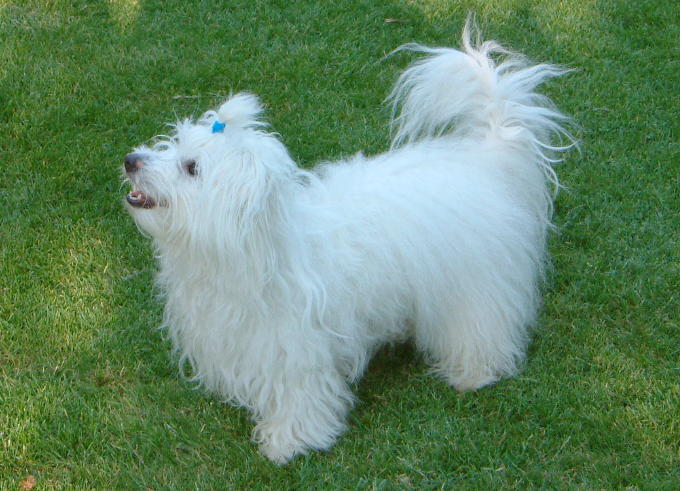
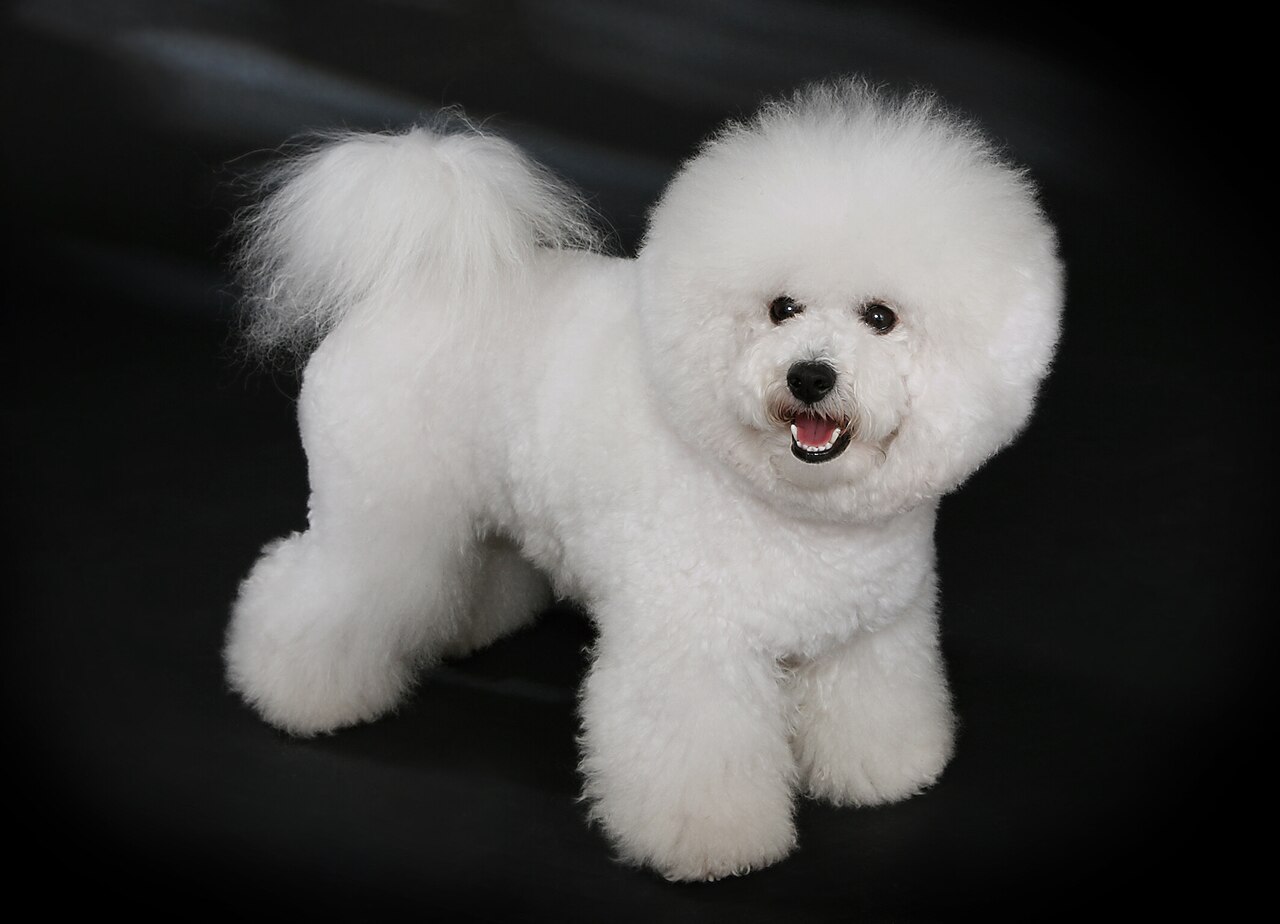
The Bichon Frise is a Mediterranean lap dog with a long history in Spain, Italy and France, where it was a favourite of the court and, after the Revolution, of street performers. The name means curly lap dog, and the powder-puff coat and merry expression are the whole point of the breed.
Bichons stand about 23 to 28 cm, with a white, soft, corkscrew-curled coat that does not shed but needs regular professional trimming. The breed is one of the most consistently good-natured in the Toy group, sociable with people and dogs alike, and a stud with that open, happy temperament is the one to look for. Bichons are often chosen by people with allergies, though no dog is truly hypoallergenic.
Ask a Bichon stud owner for patella examination, since luxating patella is the breed's most frequent orthopaedic concern, and for hip scores and a current eye certificate, as hereditary cataract appears in the breed. Skin allergies and bladder stones are worth a question about the line, and so is a history of tear staining, which is cosmetic but persistent.
Health & breeding
We check every hip, elbow, eye and DNA result you give us against the Royal Kennel Club’s public records by hand, and we record who checked it and when. The Royal Kennel Club’s public records may not include all the screening a dog has had, so a dog with no Royal Kennel Club record showing is not necessarily untested.
Breed Right’s summary — under The Royal Kennel Club Health Standard
Health tests for the Bichon Frise
This panel is Breed Right’s summary of the testing that matters for the breed under The Royal Kennel Club Health Standard. The Health Standard is the Royal Kennel Club’s guidance for breeders, not a registration rule. It describes tests to ask about — it is not a report on any individual dog. The Royal Kennel Club’s public records may not include all the screening a dog has had, so a dog with no Royal Kennel Club record showing is not necessarily untested.
Good Practice — the Royal Kennel Club’s minimum before breeding
The tests the Royal Kennel Club says breeders should, at a minimum, complete before breeding.
| Test | Type | Scheme | What’s involved |
|---|---|---|---|
| Eye testing (BVA/KC/ISDS) | Screening scheme | BVA/KC/ISDS | Result printed on the eye certificate. |
Breed hip median
Breed median 12 (BVA Hip Dysplasia Scheme breed statistics 2025 — 5 years, 6 dogs scored — indicative only, from a small sample). Lower is better. Source · How hip scores work
At stud now
Bichon Frise stud dogs
No Bichon Frise studs are listed right now
When a Bichon Frise on the Royal Kennel Club Breed Register is listed at stud, it will appear here.
Also available
Bichon Frise litters
No Bichon Frise litters are listed right now
Litters appear here as breeders list them. Check back soon, or browse other breeds.