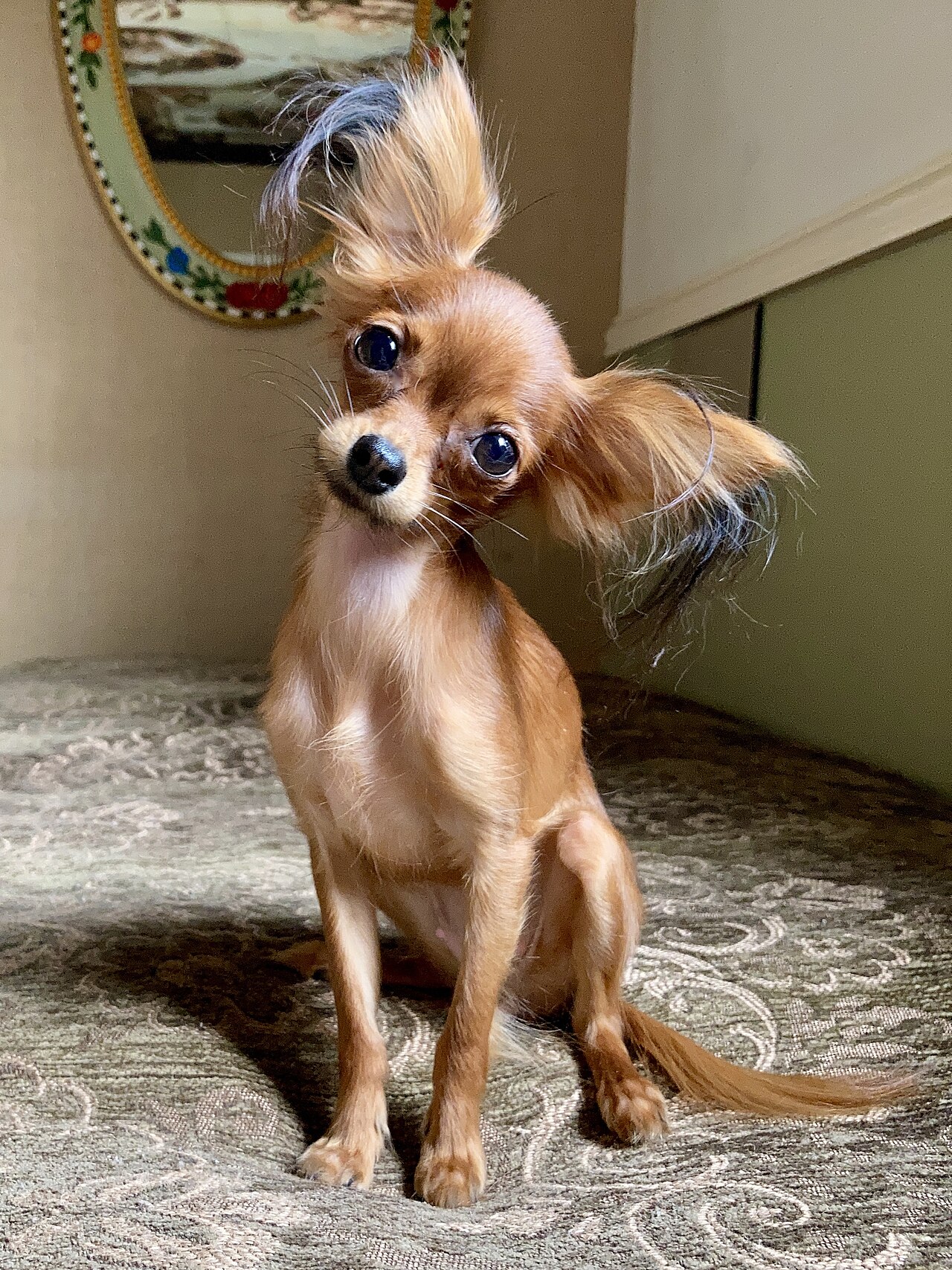
Russian Toy
Russian breeders developed the Russian Toy in the twentieth century from English Toy Terrier stock that had been fashionable in pre-revolutionary Russia, and the long-coated…
About the Russian Toy
Russian breeders developed the Russian Toy in the twentieth century from English Toy Terrier stock that had been fashionable in pre-revolutionary Russia, and the long-coated variety appeared later from within the smooth-coated population. The Royal Kennel Club recognised the breed relatively recently, so British numbers are still small and most pedigrees trace back to imports.
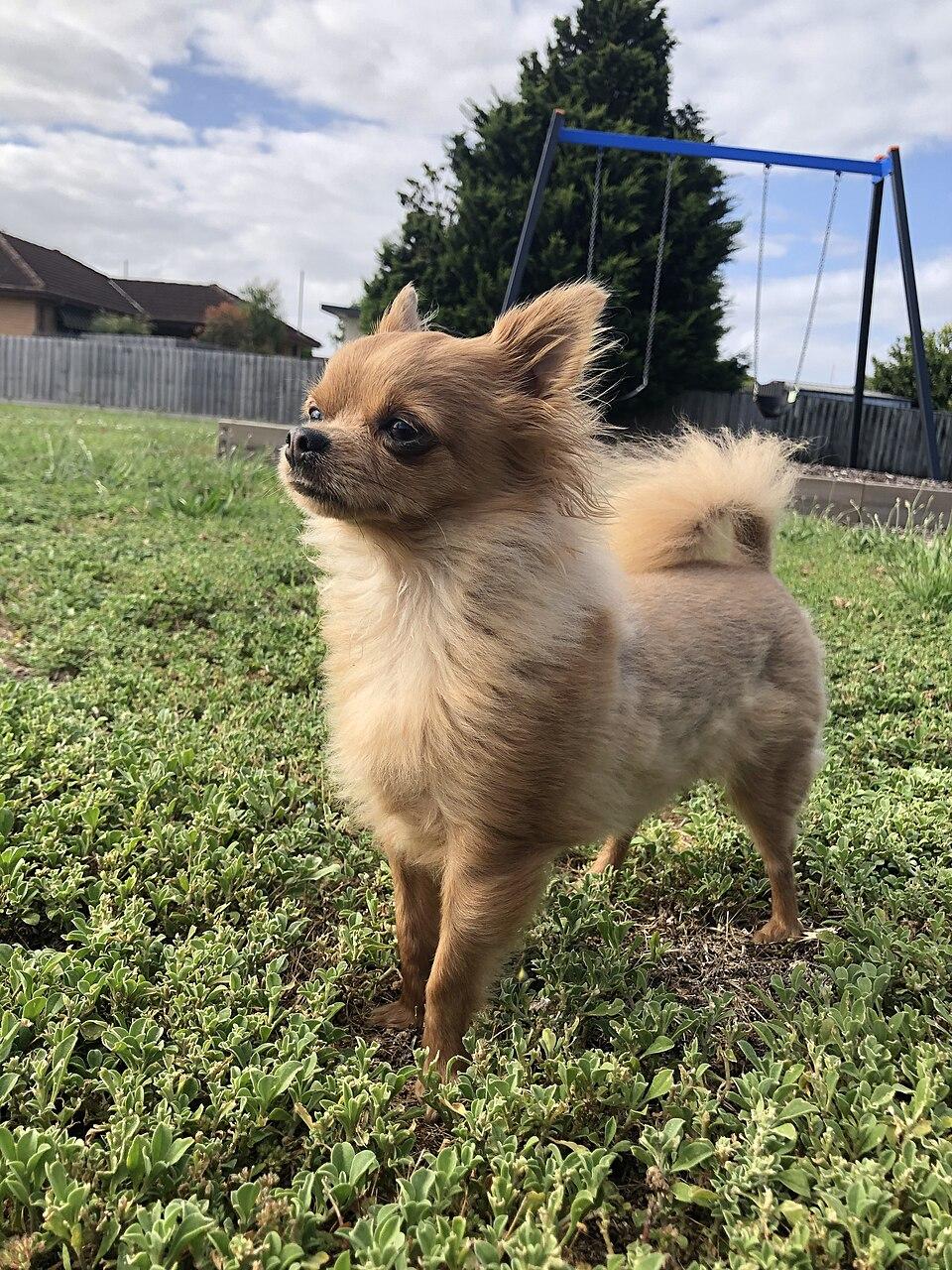
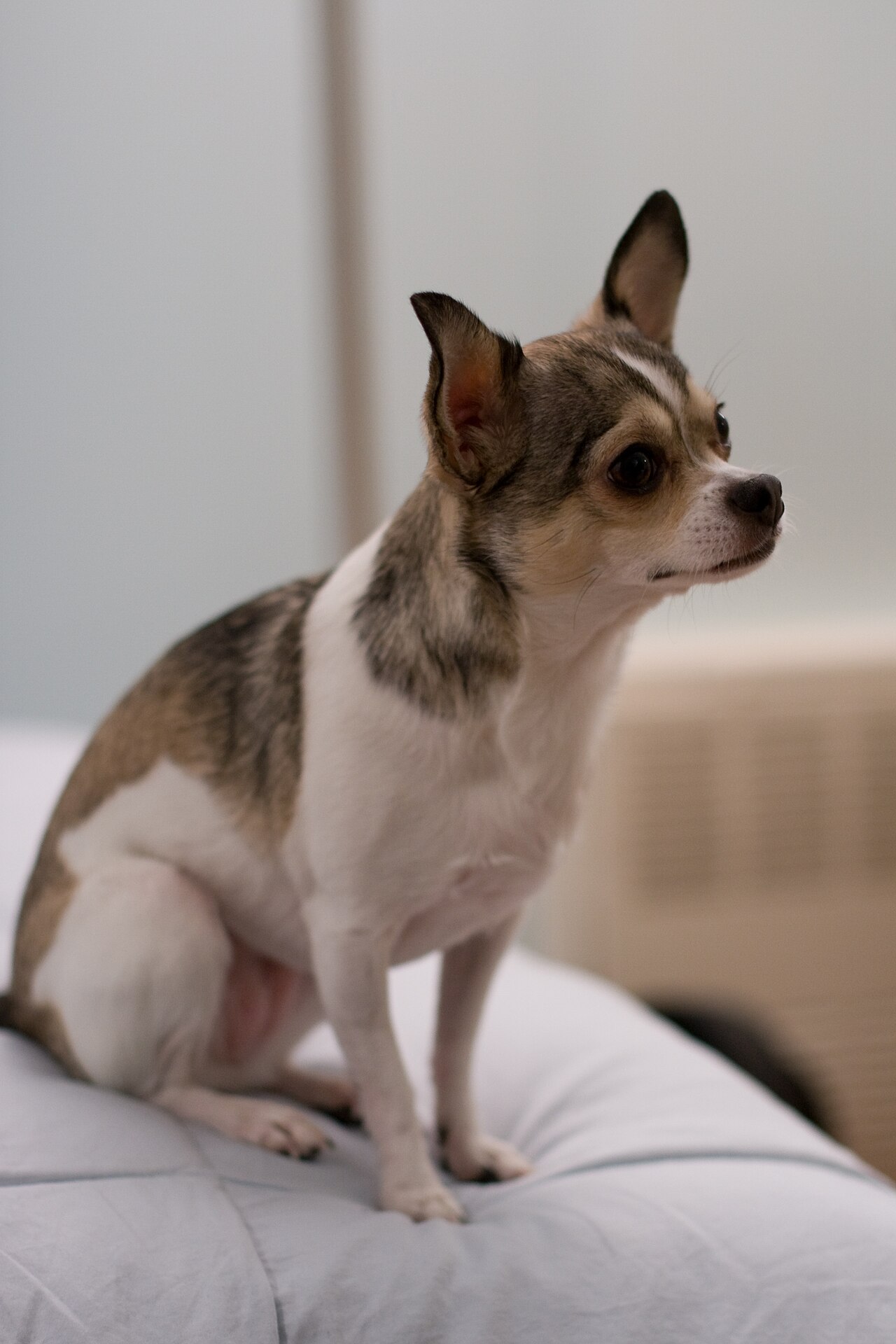
It is a tiny, high-legged, elegant dog of about 20 to 28 cm, weighing up to 3 kg, with large upright ears and a fine-boned frame. Two coats are recognised: a short, close smooth coat, and a long variety with distinct fringing on the ears and the backs of the legs. Colours include black and tan, brown and tan, blue and tan and solid red. A stud should be sound and lively without being frantic, and sturdier examples make better breeding prospects than the very smallest.
Ask for a patella examination, since luxating patella is the leading structural problem in dogs of this weight, and for a current eye certificate. An open fontanelle is worth checking by hand, and a cardiac examination is a reasonable request. Fragile leg bones, dental crowding and retained baby teeth all deserve a question. In a small British population, ask about relatedness between the two pedigrees and what the breed club advises.
Health & breeding
We check every hip, elbow, eye and DNA result you give us against the Royal Kennel Club’s public records by hand, and we record who checked it and when. The Royal Kennel Club’s public records may not include all the screening a dog has had, so a dog with no Royal Kennel Club record showing is not necessarily untested.
Breed Right’s summary — under The Royal Kennel Club Health Standard
Health tests for the Russian Toy
This panel is Breed Right’s summary of the testing that matters for the breed under The Royal Kennel Club Health Standard. The Health Standard is the Royal Kennel Club’s guidance for breeders, not a registration rule. It describes tests to ask about — it is not a report on any individual dog. The Royal Kennel Club’s public records may not include all the screening a dog has had, so a dog with no Royal Kennel Club record showing is not necessarily untested.
Best Practice — further tests it recommends
Completing these as well as the Good Practice tests is what the Royal Kennel Club calls Best Practice.
| Test | Type | Scheme | What’s involved |
|---|---|---|---|
| Eye testing (BVA/KC/ISDS) | Screening scheme | BVA/KC/ISDS | Result printed on the eye certificate. |
Breed club schemes listed in the Health Standard
Run by the breed club, not the Royal Kennel Club, which does not record their results. The Standard lists them as schemes to be aware of.
| Test | Type | Scheme | What’s involved |
|---|---|---|---|
| Patella examination (breed club scheme) | Other | Breed club | Putnam grade 0–4 per stifle. |
At stud now
Russian Toy stud dogs
No Russian Toy studs are listed right now
When a Russian Toy on the Royal Kennel Club Breed Register is listed at stud, it will appear here.
Also available
Russian Toy litters
No Russian Toy litters are listed right now
Litters appear here as breeders list them. Check back soon, or browse other breeds.